Hashtag: from discovery mechanism to context signal, and what is left of it

By Tiago Costa·Updated on August 5, 2026
Definition
A hashtag is a word preceded by a hash that becomes a clickable label.
- It groups content marked with the same term.
- It stopped being the main discovery mechanism.
- It remains a context signal for classifying the piece.
- No spaces and no punctuation, or it breaks.
What it is and how to write one
A hashtag is the hash symbol followed by a word or phrase with no spaces. On publishing it becomes a link, and tapping it opens that label's page with all public content marked the same way.
Rules that break in practice:
- No spaces. A space ends the hashtag there.
- No punctuation or symbols. Periods, commas and hyphens cut it off.
- Accents work in most cases, but the unaccented version is usually the more searched one.
- Capitals do not change the label, but they help readability in compound phrases.
What it stopped doing
Worth being blunt, because a lot of circulating advice is old.
There was a time when the hashtag was the discovery path: people browsed by label and stuffing the caption with tags produced real reach. That ended.
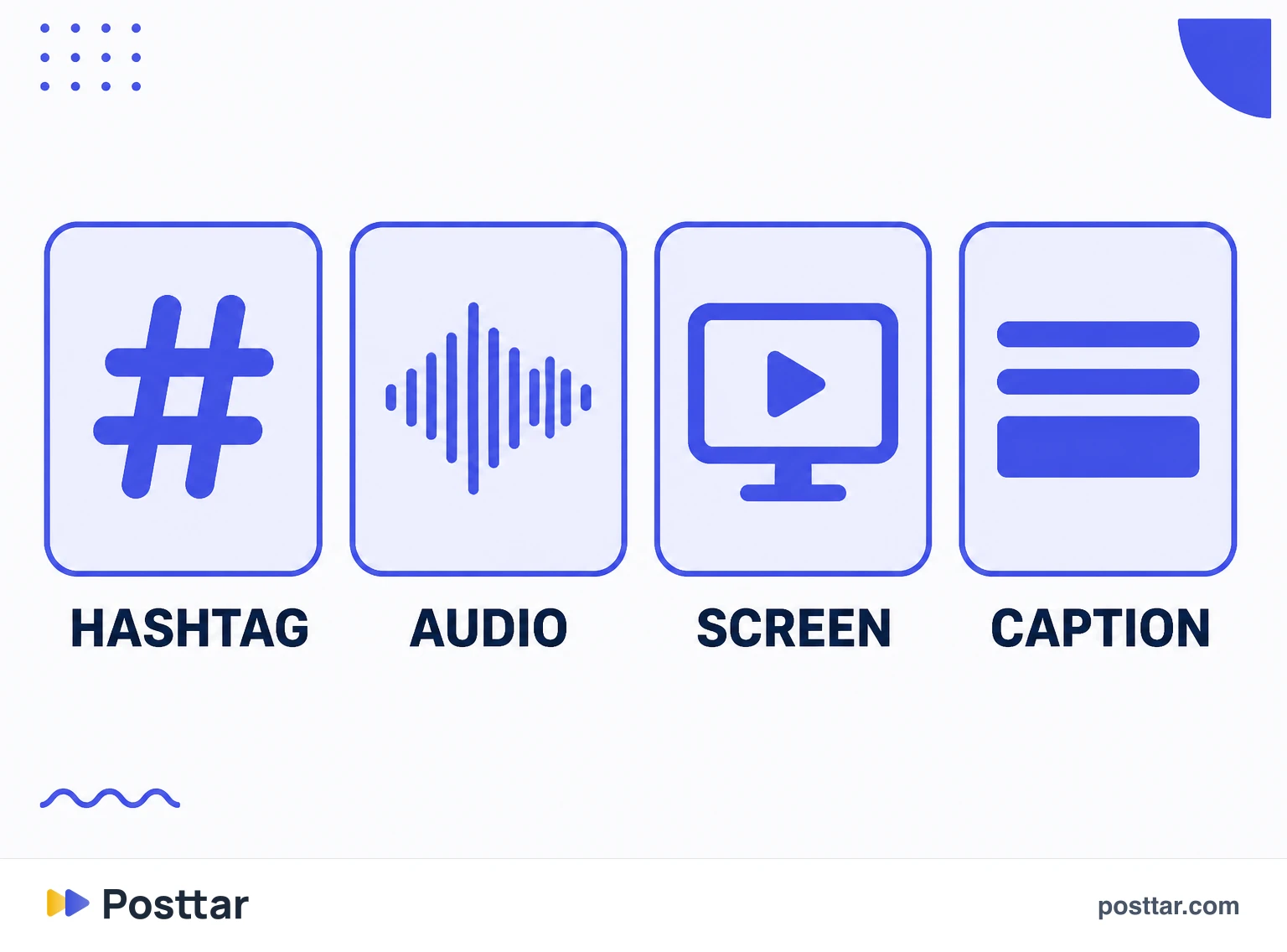
Today the system understands the piece itself: it transcribes audio, reads on screen text, interprets the image and the caption. It does not need you to declare the subject, because it can infer it. And discovery migrated to Reels, Explore and search.
Practical consequence: thirty hashtags buy nothing any more, and the platform itself now recommends three to five.
What it still does
It is not useless, its function simply changed:
- It confirms context. One more signal, among several, for the system to classify the piece.
- It marks community. A niche, event or movement tag works as a belonging signal between people, not as a reach lever.
- It organises what is yours. A brand hashtag groups your campaigns and the content others create about you, and that is trackable.
- It serves research. Browsing by label is still a good way to study a niche.
How to pick the few worth using
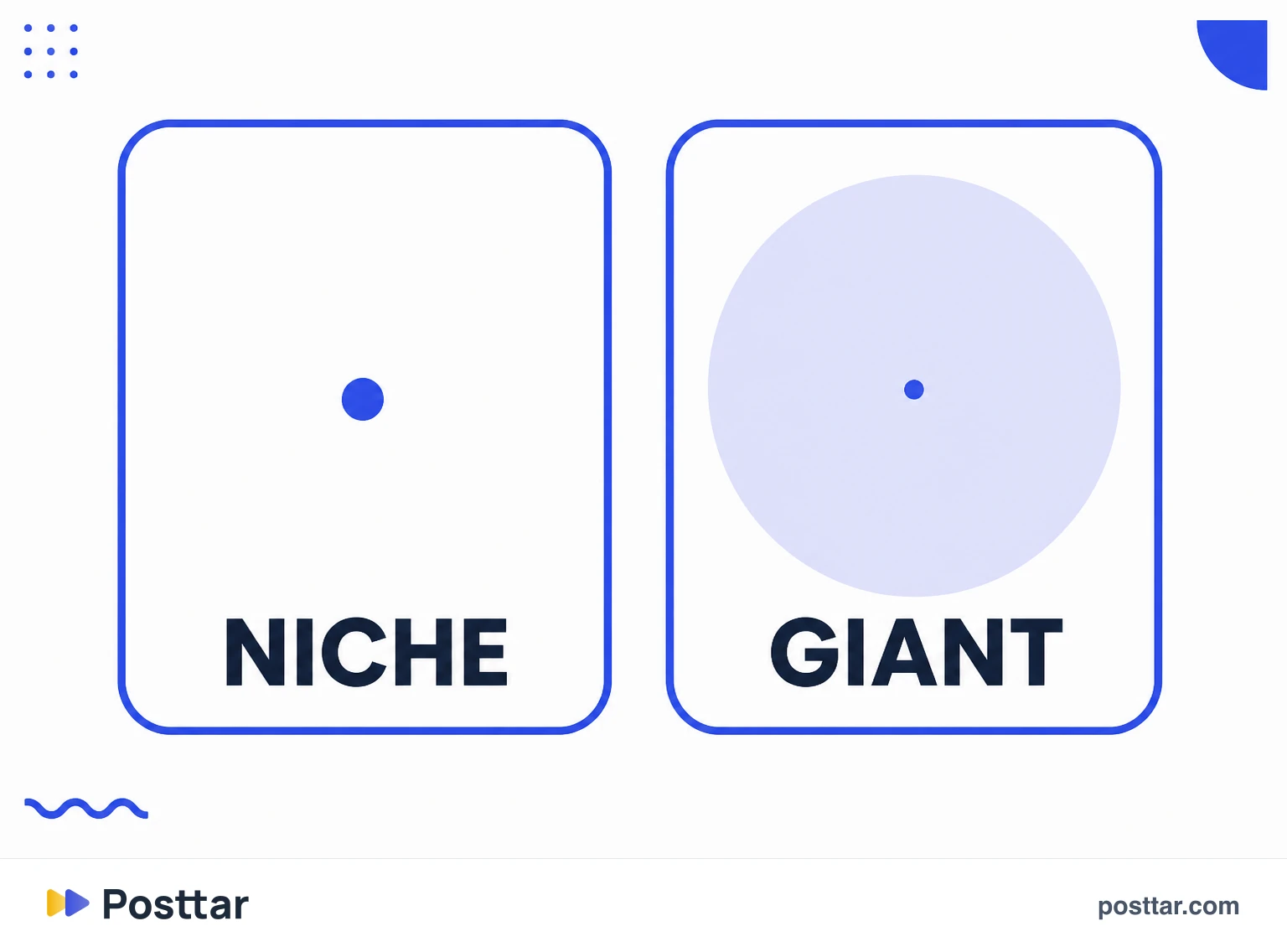
- Specific beats big. A label with tens of millions of posts buries you in seconds; a niche one puts you in front of whoever is looking for exactly that.
- Describe the piece. A hashtag says what the content is about, it does not summon the reach you would like.
- No fixed block. Pasting the same list everywhere erases the context information it is supposed to give.
- Beware contaminated labels. Generic popular terms attract spam, and the company you keep matters.
Checklist
- I use few and they all describe the content.
- I prefer niche tags to giant ones.
- I do not paste the same list on every post.
- I do not expect hashtags to rescue weak content.
- I have a brand hashtag to group what is mine.
Frequently asked questions
What is the purpose of a hashtag?
It turns a word into a clickable label that groups all public content marked with the same term. Its original purpose was discovery; today it works mainly as a context signal helping the system classify what a piece is about.
What does the hash symbol mean in a hashtag?
It is the marker that tells the platform the word after it should become a label rather than plain text. Without it the word stays ordinary text; with it the term becomes clickable and searchable.
What is an example of a hashtag?
Anything from a broad term to a specific one, written without spaces after the hash. A brand tag naming your own campaign is the most useful kind, because it groups your content and what others create about you in one trackable place.
How do I create a hashtag?
Write the hash symbol followed by the word, with no spaces and no punctuation. A space ends the hashtag, and periods, commas or hyphens cut it off. Capitals do not change the label but help readability in compound phrases.
Do hashtags still work on Instagram?
They work as a context signal, not as a discovery mechanism. The system now understands a piece through audio, on screen text, image and caption, so the tag became one signal among several rather than the main lever.
Related concepts
Hashtag limit
The technical limit is 30 hashtags per post. That number has not changed, but guidance on how many to use has changed a lot: the platform itself now recommends three to five. It is not a contradiction, they are different things. Thirty is what the system accepts; three to five is what tends to work now that distribution stopped depending on hashtags and started depending on the content.
Read the entry
Instagram SEO
Instagram SEO is optimising the profile and posts for the platform's internal search, which now works with words instead of depending only on hashtags. The system today reads the name field, the username, the caption, on screen text and transcribed audio. That turned search into a continuous discovery channel, and it is the least contested channel inside the platform.
Read the entry
Explore page
The Explore page is Instagram's discovery grid, made almost entirely of content from accounts the person does not follow. It is assembled individually: there is no single version of Explore, each person sees a different grid built from their own interaction history. For publishers, landing on it is the fastest way to reach a new audience at scale.
Read the entry
Reach
Reach is the number of unique accounts that saw a piece of content at least once. Unlike impressions, it does not count the same person twice, so it measures the size of the audience touched rather than the volume of exposure. On Instagram, reach is reported per post and per period, and it can be split between followers and non followers, which is the reading that shows whether a profile is discovering new people or simply circulating among those who already follow it.
Read the entry