Glossary
Instagram and content marketing glossary
Every term that shows up in a metrics dashboard, an editorial meeting or a creative brief, explained with what it actually means and what to do about it. No loose jargon, no two-line definitions.
Instagram formats and features
What exists inside the app: publishing formats, profile fields, the features of each surface and the technical limits nobody reads until they hit one.
Feed
Feed is the word Instagram uses for two different things: the timeline you scroll through, and the permanent grid of your own profile. Posting to feed means creating a piece that stays on the profile forever, unlike Stories, which vanish in 24 hours. It is the platform's permanence format, and it remains where an account builds the impression someone forms on arrival.
Read the entry
Reels
Reels is Instagram's short vertical video format, and the main distribution route to people who do not follow an account. Unlike a feed post, whose delivery depends heavily on the history between two accounts, a Reel is offered to whoever the system predicts is interested in the subject, which makes it the platform's most direct growth tool and also the most demanding on retention.
Read the entry
Stories
Stories are the vertical posts that disappear after 24 hours, shown at the top of the app rather than in the feed. It is the platform's relationship format: distribution goes almost entirely to existing followers, and ordering depends on closeness and viewing history. It is also the only Instagram format where the publisher sees a named list of who watched.
Read the entry
Carousel
A carousel is the Instagram post that holds up to 20 images or videos in a single publication, navigated by swiping sideways. It occupies the same feed space as a regular post but asks the viewer for one extra action, and that action is what makes it valuable: every frame advance adds dwell time, and the format gets a second delivery chance, because Instagram can re-show the post starting from a different frame to people who did not interact the first time.
Read the entry
Broadcast channel
A broadcast channel is a one-way conversation inside Instagram Direct where only the admin posts and every subscriber receives it. It is the platform's answer to broadcast lists in other messaging apps: direct delivery to the inbox, with a notification, without depending on feed ranking. In exchange, the audience is only whoever subscribed, and it does not talk back beyond polls and reactions.
Read the entry
Collab post
A collab post is the feature that makes one post appear on the profile of two or more accounts, all listed as authors and sharing the same likes, comments and views. It is the only native way to add audiences to the same content: the piece is distributed to the followers of every collaborator, which makes it the most direct reach lever the platform offers for free.
Read the entry
Paid partnership
Paid partnership is Instagram's official label identifying content as advertising, showing "Paid partnership with" and the brand name below the publisher's name. It satisfies the legal duty to disclose advertising, gives the brand access to that post's metrics, and is what allows the creator's post to be turned into a paid ad running from the creator's own profile.
Read the entry
Trial reels
A trial reel is the option that publishes a Reel only to people who do not follow the account, without it appearing on the profile, in the grid or to current followers. It measures whether a format or hook works with a cold audience before committing the profile to it. If performance is good, the Reel can be released to everyone later, keeping the metrics it already accumulated.
Read the entryMetrics and analytics
Every number Instagram shows, what it actually measures, how to calculate what the platform does not hand over, and which indicators actually drive a decision.
Reach
Reach is the number of unique accounts that saw a piece of content at least once. Unlike impressions, it does not count the same person twice, so it measures the size of the audience touched rather than the volume of exposure. On Instagram, reach is reported per post and per period, and it can be split between followers and non followers, which is the reading that shows whether a profile is discovering new people or simply circulating among those who already follow it.
Read the entry
Impressions
Impressions are the total number of times a piece of content was displayed, including repeat views by the same person. Unlike reach, which counts unique accounts, an impression counts the display: if someone sees the same carousel three times, that is one account of reach and three impressions. The ratio between the two is frequency, and it is what shows whether content is circulating inside the same bubble or finding new people.
Read the entry
Views
Views are the number of times a piece of content was consumed, and since Instagram unified its metrics they apply to every format, not just video. A view includes repeat plays by the same person, which puts it closer to impressions and further from reach. It is now the headline number across most panels in the app, which made many people think reach and impressions had disappeared.
Read the entry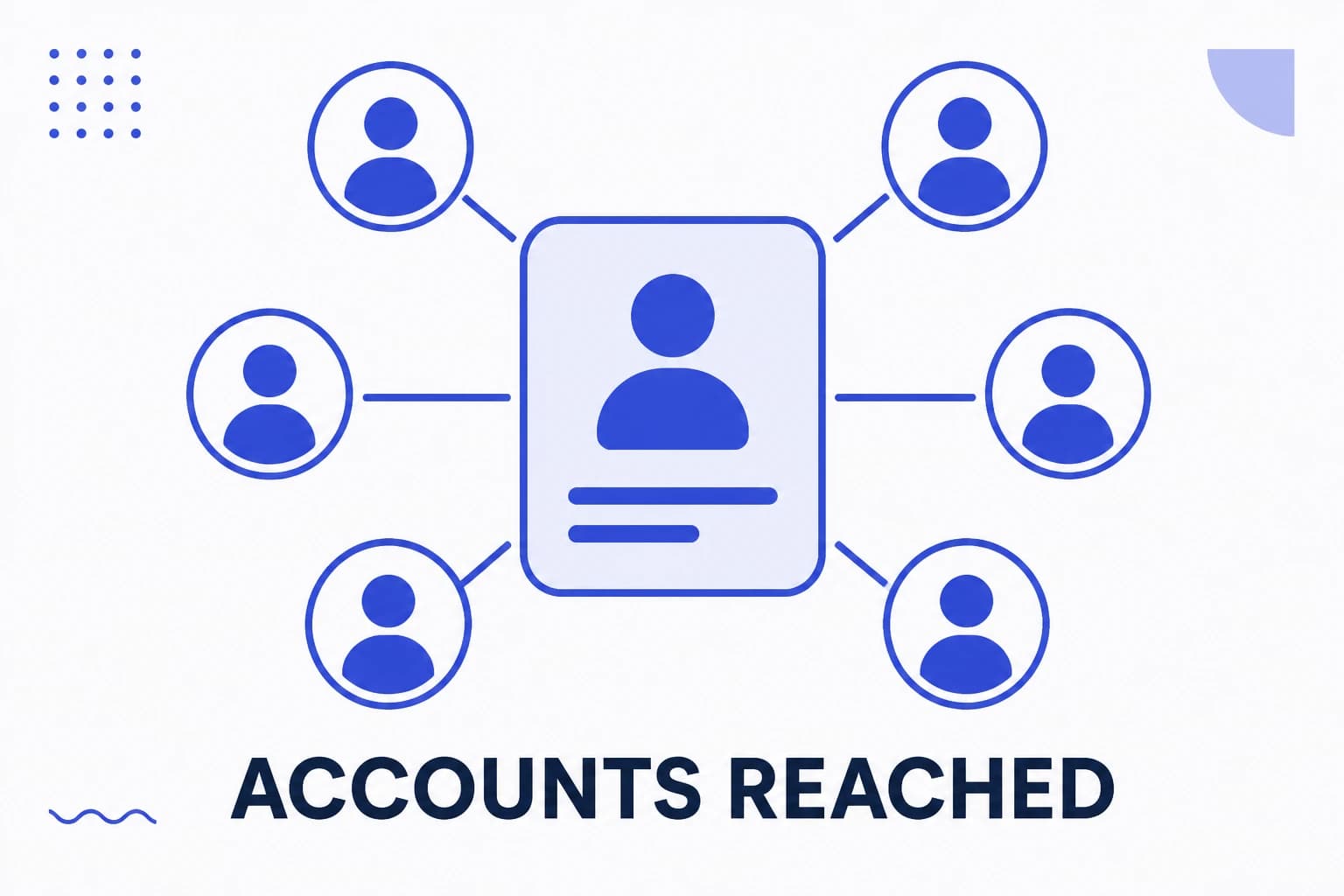
Accounts reached
Accounts reached is the number of distinct accounts that saw any content from your profile in the selected period. It is the same idea as reach, applied to the whole profile instead of a single post: each person counts once, even if they saw ten posts, a Story and a Reel. That is why the number is never the sum of your posts' reach, and is always lower than it.
Read the entry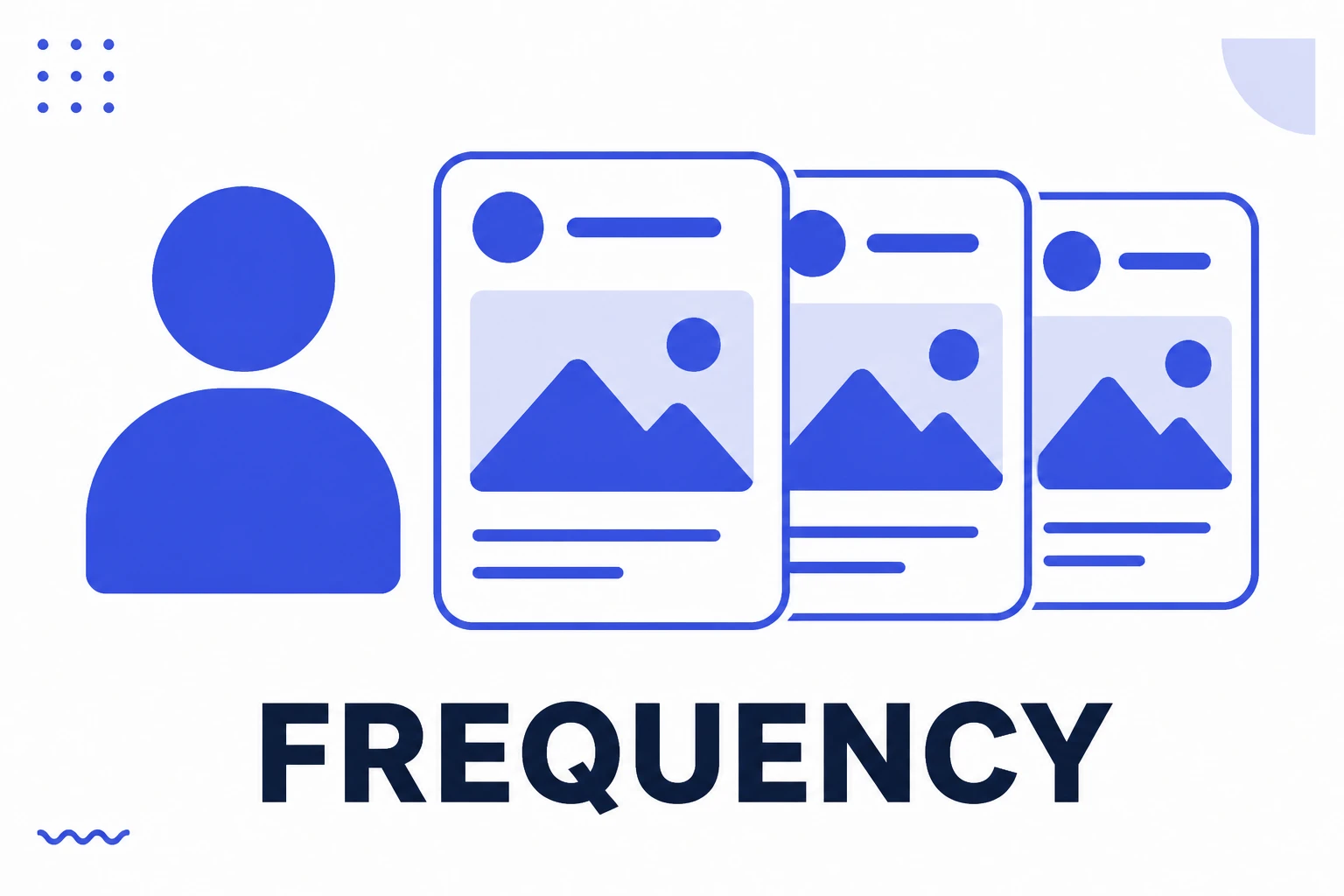
Frequency
Frequency is the average number of times each person reached saw the content, and it is calculated by dividing impressions by reach. It exists because reach alone does not say whether delivery was broad or repeated: a thousand impressions can be a thousand people seeing it once or a hundred people seeing it ten times. Do not confuse it with posting frequency, which is how often a profile publishes.
Read the entry
Reach rate
Reach rate is the percentage of your follower base that actually saw a piece of content, calculated by dividing reach by follower count. It exists because absolute reach is not comparable across accounts or across moments: a thousand accounts reached is excellent for a profile with two thousand followers and poor for one with two hundred thousand. It turns reach into an efficiency metric instead of a size metric.
Read the entry
Engagement
Engagement is the set of interactions people have with a piece of content: likes, comments, saves and shares, plus Story replies and mentions. It is an absolute count, not a percentage, which is why it only makes sense against a base, either reach or follower count. The four interactions are not equal: the ones that cost the viewer more effort are the ones that push distribution hardest.
Read the entry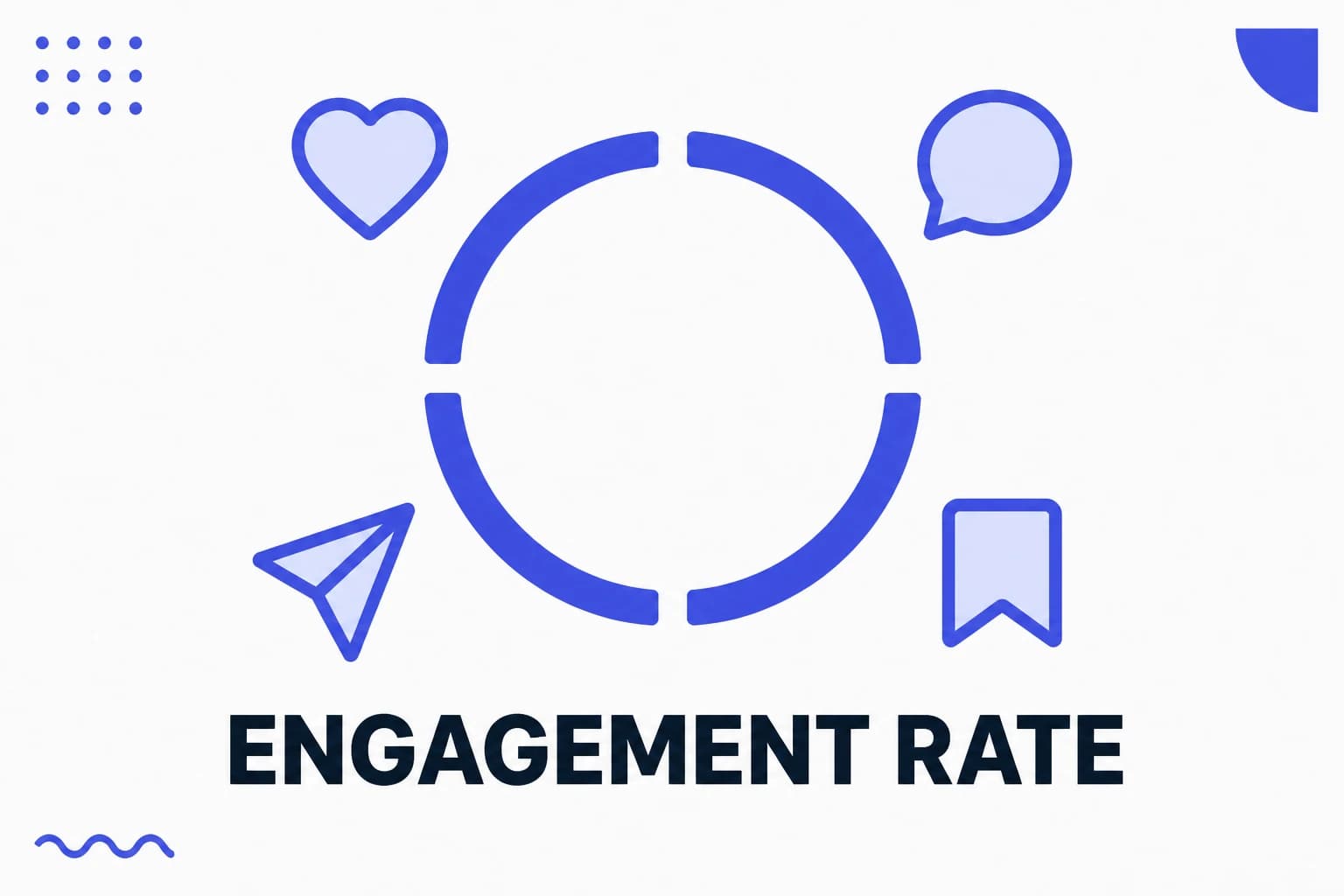
Engagement rate
Engagement rate is the percentage of people who interacted with a piece of content relative to a comparison base. Two formulas are in common use: interactions divided by followers, which measures how the base responds, and interactions divided by reach, which measures the quality of delivery. They answer different questions and produce different numbers for the same post, so the thing that matters is stating which one you used before comparing anything.
Read the entryAlgorithm and distribution
How Instagram decides who sees what: ranking signals, discovery surfaces, what kills reach and what makes a piece escape its own bubble.
Instagram algorithm
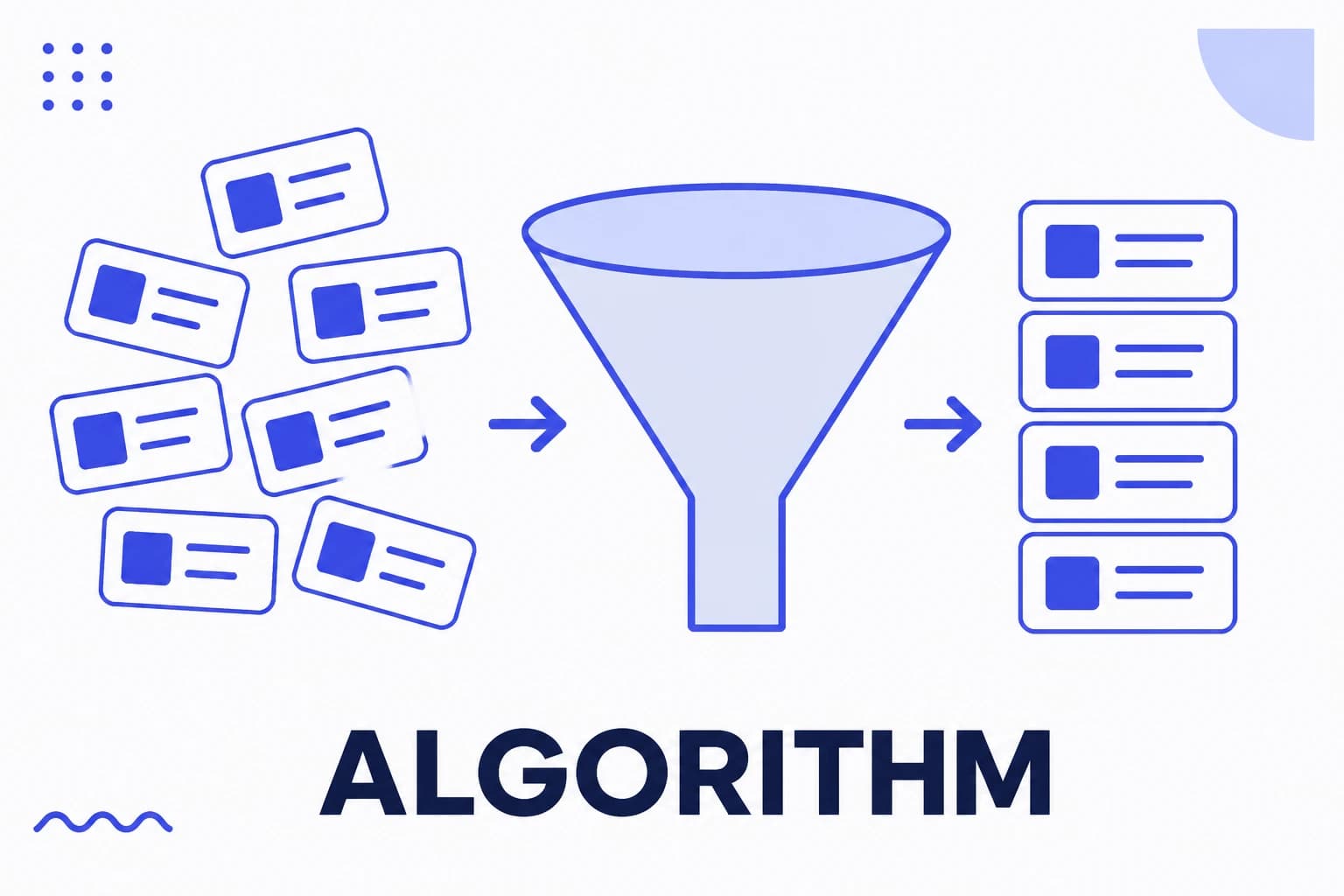
The Instagram algorithm is the set of ranking systems that decides what each person sees and in what order. It is not one algorithm: Feed, Stories, Reels and Explore run distinct systems with their own signals and weights, because people arrive at each surface with a different expectation. All of them work by predicting how likely you are to interact with a specific piece and ordering what is available according to that prediction.
Read the entry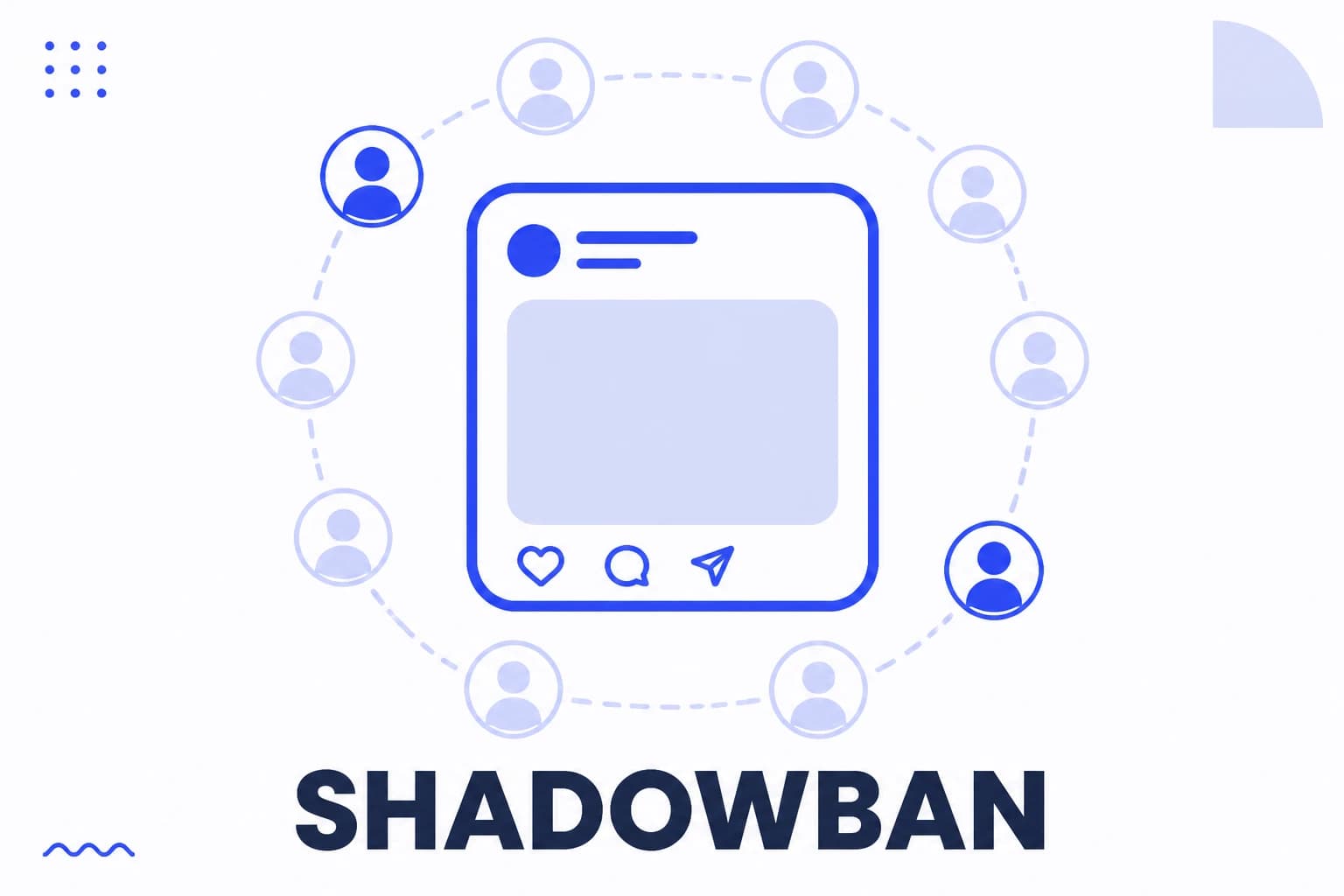
Shadowban
Shadowban is the popular name for the idea that an account has been silently restricted, still publishing normally while its content stops appearing for others. The platform does not use the term, but it does recognise a close mechanism: content that does not follow the recommendation guidelines stops being recommended to people who do not follow the account, with no notification. Most reach drops, however, are not this.
Read the entry
Explore page
The Explore page is Instagram's discovery grid, made almost entirely of content from accounts the person does not follow. It is assembled individually: there is no single version of Explore, each person sees a different grid built from their own interaction history. For publishers, landing on it is the fastest way to reach a new audience at scale.
Read the entry
Instagram SEO
Instagram SEO is optimising the profile and posts for the platform's internal search, which now works with words instead of depending only on hashtags. The system today reads the name field, the username, the caption, on screen text and transcribed audio. That turned search into a continuous discovery channel, and it is the least contested channel inside the platform.
Read the entry
Hashtag
A hashtag is a word or phrase without spaces preceded by the hash symbol, which the platform turns into a clickable label grouping all content marked with it. For years it was Instagram's main discovery mechanism. It is not any more: distribution came to depend on what the system understands from the content itself, and the hashtag became one context signal among several.
Read the entry
Trendjacking
Trendjacking is riding a trend already in circulation to carry your own message along with it. It works because the platform is already distributing that format, audio or subject, so entering it costs less attention than building something from scratch. The price is the window: trends have a short shelf life, and arriving late turns the ride into embarrassment.
Read the entry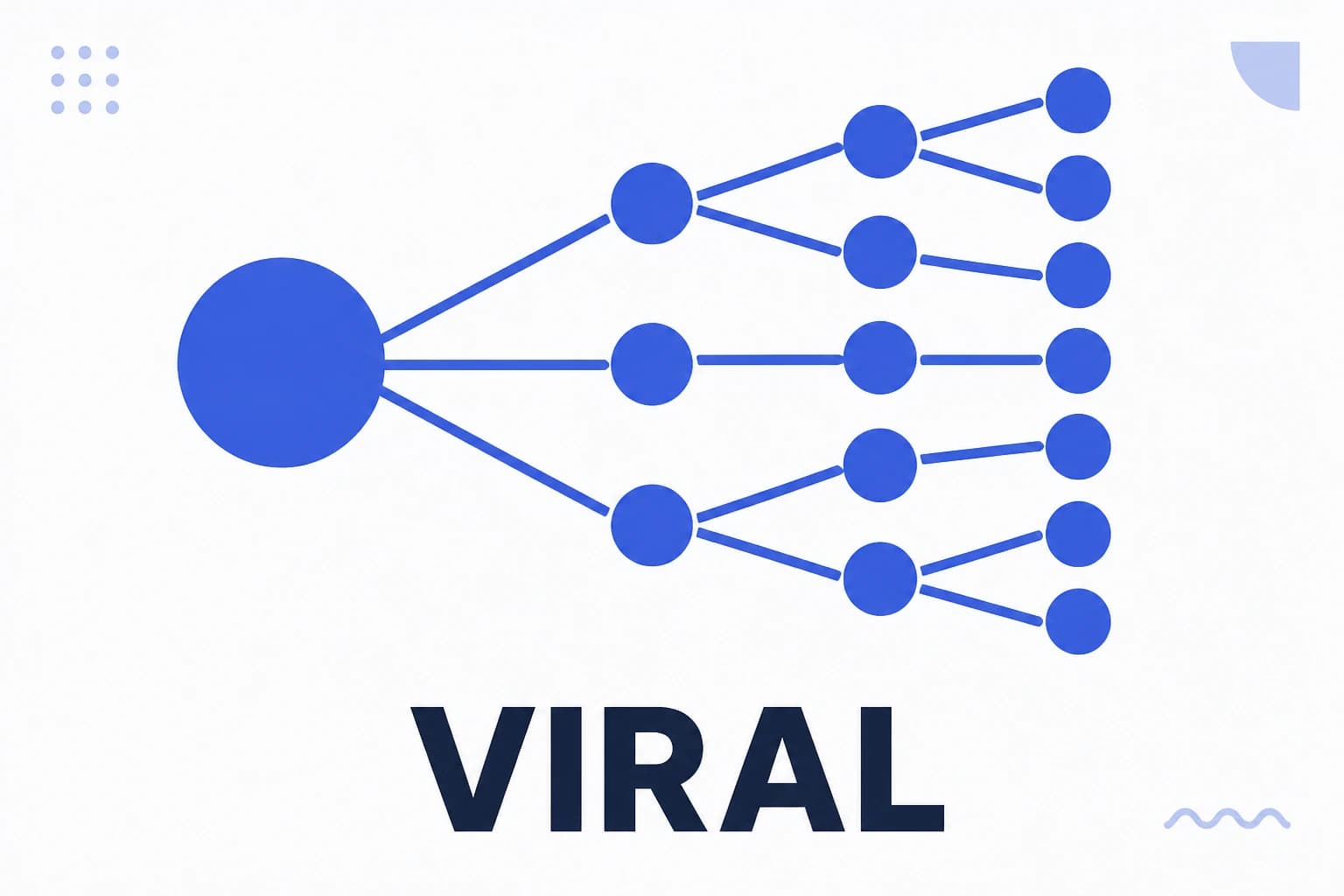
Going viral
Going viral is when a piece of content starts being distributed mainly by the people consuming it rather than by the platform's initial delivery. The mechanism is multiplication: each person reached brings in more than one new person. It is not luck or an algorithm trick, it is the result of a piece that gives viewers a strong reason to show it to someone else.
Read the entry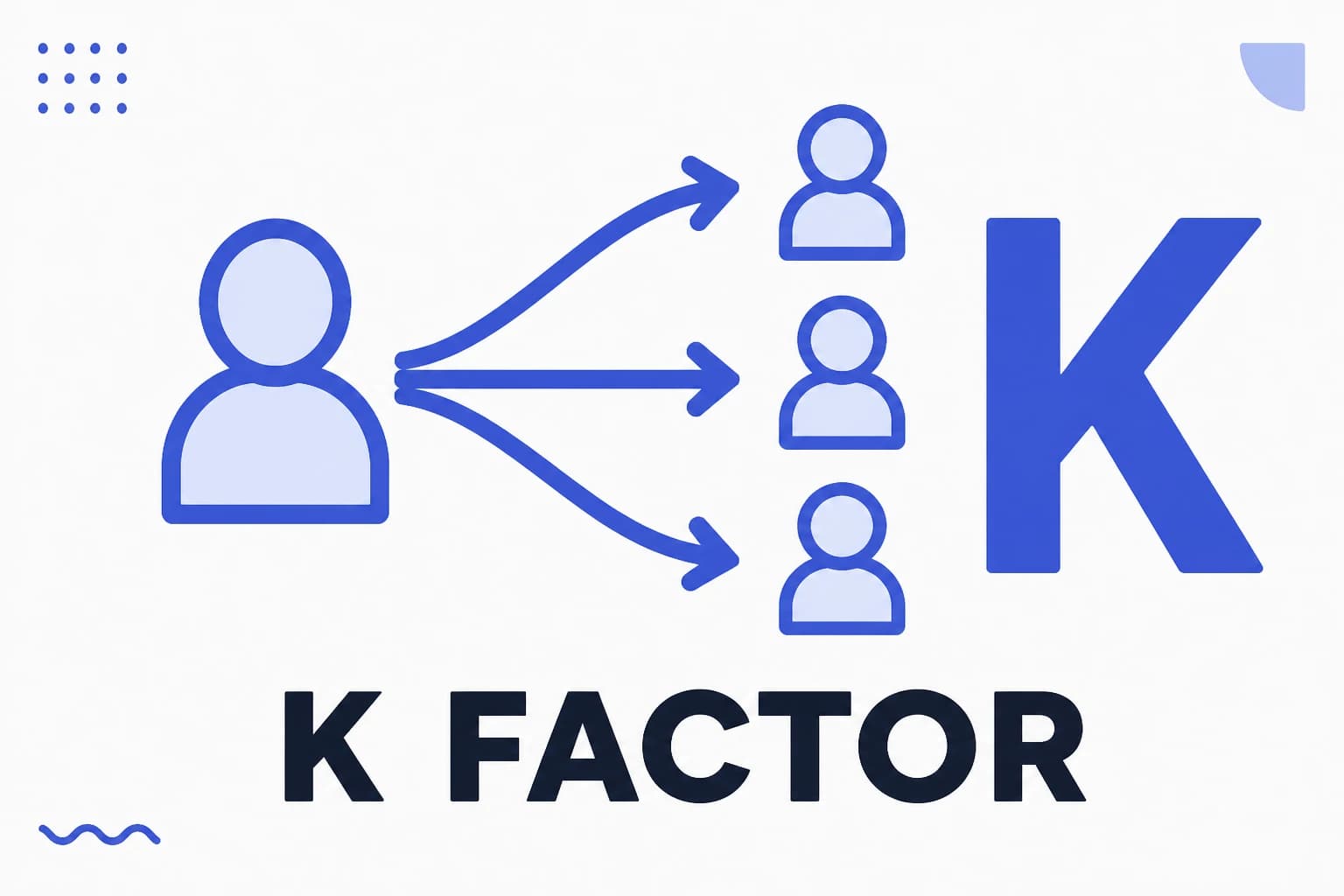
Viral coefficient
The viral coefficient is the number of new people each person reached brings to the content. It is the metric separating growth that sustains itself from growth that needs constant pushing: above 1, each round is bigger than the last and reach multiplies; below 1, each round is smaller and the curve fades on its own, however strong the start was.
Read the entryCopywriting and storytelling
The writing that holds attention: hooks, persuasion structures, narrative, tone of voice and the editorial formats that keep repeating because they work.
Copywriting
Copywriting is writing built to provoke a specific action: buy, sign up, reply, click. What separates it from other kinds of writing is not style, it is the success criterion. A literary text is judged by the experience it creates; copy is judged by how many people did what it asked. That changes everything, including the order in which it gets written.
Read the entry
Hook
A hook is the opening of a piece of content, responsible for buying the first seconds of attention and making someone decide to keep going. In short video it occupies the first three seconds and is simultaneously verbal, visual and sonic; in a carousel it is the cover; in text it is the first line. A hook is not decoration: because the distribution system watches retention and dwell time, it determines whether the content ever gets delivered beyond the people who already follow you.
Read the entry
Headline
A headline is the opening line that decides whether the rest of the content gets consumed. It is the highest leverage element of any piece: if it fails, everything after it stops existing, however good it is. On Instagram it appears in three different places, and each carries a constraint of its own that changes how it should be written.
Read the entry
Instagram caption
A caption is the text accompanying an Instagram post. It holds 2,200 characters, but only the first lines appear before the "more" button, which makes it a two layer format: the opening has to earn the tap, and the rest has to deliver what the opening promised. It is also the main place where the platform reads the subject of the piece as text.
Read the entry
CTA
CTA stands for call to action: the instruction telling a person what to do next. It is the element that turns attention into results, and the most wasted of all, because most pieces either ask for nothing or ask for several things at once. One ask per piece, specific and with a reason, returns more than the full list of verbs.
Read the entry
Storytelling
Storytelling is the practice of organising a message as a story, with a character, a conflict and a resolution, instead of presenting it as a direct argument. It works because story is the format human memory keeps best: the same information embedded in a narrative is remembered far more than the same information listed. What separates a story from an account is conflict.
Read the entry
Narrative arc
A narrative arc is a story's tension curve: the structure by which a conflict is introduced, grows to a point of maximum tension and resolves. It is what turns a sequence of events into a story rather than a list. In short content it does not disappear, it compresses, and compression usually makes it more visible rather than less.
Read the entry
Hero's journey
The hero's journey is the narrative model describing the structure repeated across myths and stories: an ordinary person receives a call, resists, crosses an ordeal with a mentor's help and returns transformed. Applied to marketing it is useful, but with an inversion almost everyone gets wrong: the one telling the story is not the hero, they are the mentor.
Read the entryDesign and production
How the piece holds up: visual identity, composition, readability on a small screen, carousel anatomy and the video production behind a Reel.

Video script
A video script is the document defining what will be said and shown in a video before recording begins. In short content it is almost never read word for word, but writing beforehand changes the result anyway: it forces the hook to be decided, cuts rambling and reduces the number of takes. The arithmetic is simple, a script costs ten minutes and saves an hour of editing.
Read the entry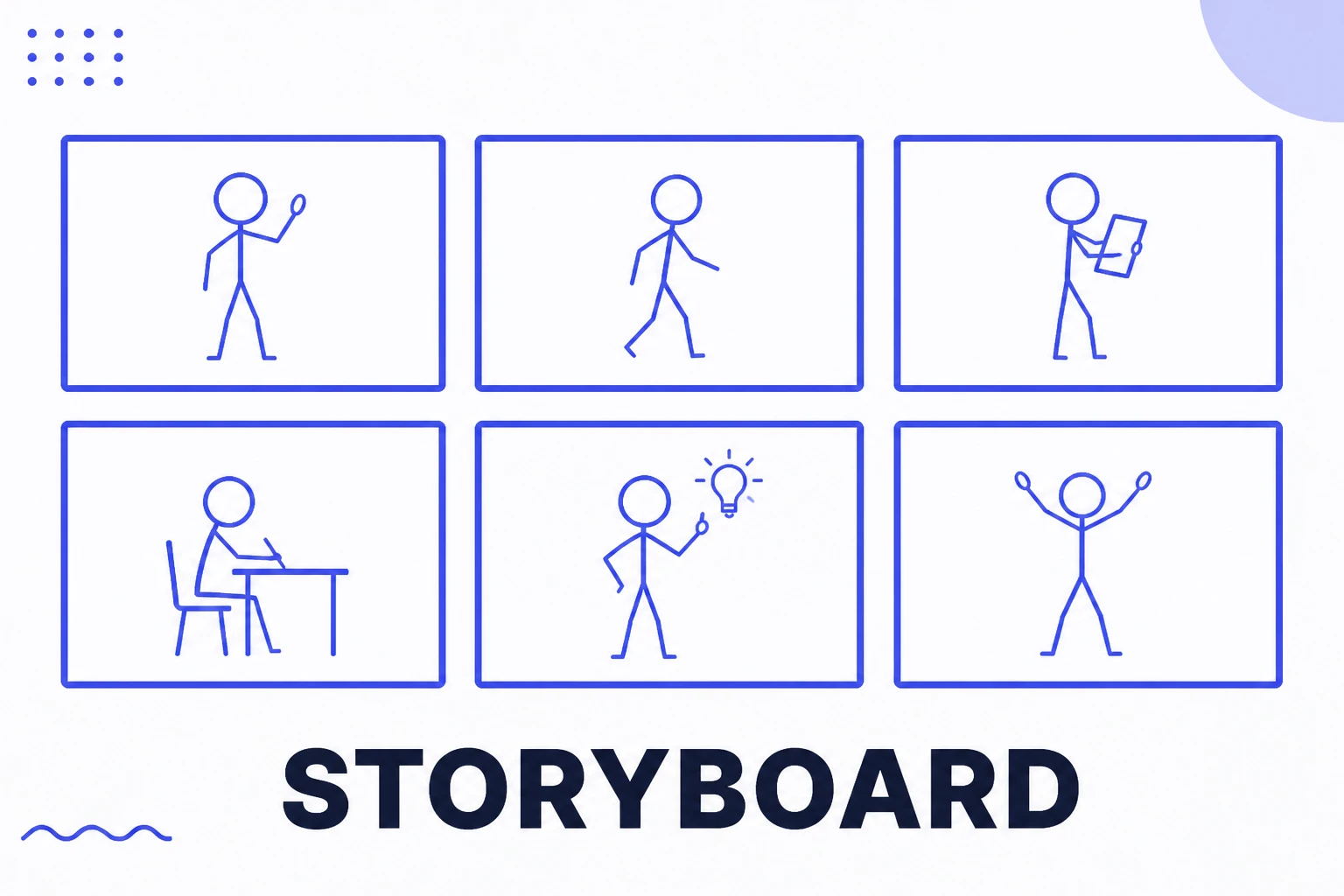
Storyboard
A storyboard is the sequence of drawn frames showing how a video will look before filming begins. Each frame represents a shot, with the image, the line and any movement noted. It is the visual counterpart of the script: while the script decides what will be said, the storyboard decides what will be seen, and those are different things that often get confused.
Read the entry
B-roll
B-roll is any footage that is not the main speech: the supporting shots layered over narration to illustrate, give context or simply break visual monotony. The name comes from the film era, when the A roll carried the main scene and the B roll carried complementary material. It is the cheapest retention tool that exists.
Read the entry
Jump cut
A jump cut is a cut made within the same shot, removing a section and splicing what remains, which produces a visible jump in the image. In classical cinema it was considered a continuity error. In internet video it became the standard, because it solves the format's central problem: cutting every pause, breath and ramble to keep the pace high from start to finish.
Read the entry
Talking head
A talking head is the video format where someone speaks directly to camera, framed from the chest up. It is the oldest and simplest format there is, and it still converts best for professional accounts, because it is the only one where the audience sees a face, hears a voice and bonds with a person rather than with a profile.
Read the entry
Faceless content
Faceless content is any production that does not show the publisher's face: hands, screens, objects, animation, narration over footage. It works, and it grew because it solves two real problems, the discomfort of appearing and the difficulty of scaling production that depends on one person. The trade is that the bond has to come from somewhere else.
Read the entry
Motion graphics
Motion graphics is graphic design in motion: animated text, shapes, icons and charts, with no characters and no narrative of its own. It exists to add movement where there is no filmed footage, to highlight information and to turn abstract data into something visible. In short content it solves the static screen problem, but it becomes expensive decoration when used without a function.
Read the entry
Opening slide
The opening slide is the first frame of a carousel, the cover appearing in the feed. It is the highest leverage element of the whole piece: if it does not stop the thumb, the other nine slides do not exist. And it has a particularity almost nobody considers, it appears in two different contexts, full size in the feed and as a thumbnail in the profile grid.
Read the entryContent operations
The routine that sustains publishing: pillars, calendar, batching, cadence, approval and the funnel that organizes who each piece is for.

Content pillar
Content pillars are the few recurring subjects an account covers. They exist to solve two problems at once: the blank page for people who do not know what to post, and the dispersion of people who post about everything and are recognised for nothing. Three to five pillars is the range that works, and the most common mistake is confusing a pillar with a format.
Read the entry
Editorial line
An editorial line is the point of view running through everything an account publishes: what it defends, what it fights and how it speaks. While pillars define what you post about, the editorial line defines which side you are on inside those subjects. It is what makes two accounts in the same niche, covering the same topics, sound completely different.
Read the entry
Content calendar
A content calendar is the document organising what will be published, when and in which format. It solves content production's most expensive problem, which is deciding the topic on publishing day, when there is time neither to think nor to produce properly. Most calendars are abandoned within three weeks, and the reason is almost always the same: it was built as a calendar rather than as a production queue.
Read the entry
Content bank
A content bank is the reserve of finished or nearly finished pieces, kept to publish when production fails. It exists because production always fails at some point: the week turns, someone gets ill, a client runs late. Without a reserve the account simply stops, and stopping costs more than publishing something average, because returns depend on consistency.
Read the entry
Batch content creation
Batch content creation means producing several pieces in one session rather than one per day. The saving does not come from working faster, it comes from eliminating the setup cost that repeats for every piece: building the set, adjusting light, getting into recording mode, opening the editor. Paid once for ten pieces instead of ten times, that cost stops dominating the operation.
Read the entry
Posting frequency
Posting frequency is how many pieces an account publishes per period. There is no universal number, and anyone promising one is selling simplification: the right answer depends on the format, the niche and, above all, what you can sustain. Consistency weighs more than volume, because an account posting three times a week for a year returns more than one posting daily for a month then vanishing.
Read the entry
Best time to post
The best time to post is when your specific audience is most active, and it is not the same as the chart circulating online. Timing affects initial delivery, which is the first test any post faces, but it does not decide final performance: good content posted at a bad hour still works, and bad content posted at the perfect hour is still bad.
Read the entry
Creative brief
A creative brief is the document defining what needs producing, for whom and with what objective, before production starts. It exists to prevent rework, the most expensive and most invisible cost in any content operation. A good brief does not describe the piece, it describes the problem the piece solves, and it explicitly includes what is out of scope.
Read the entryCreators and partnerships
The market around the people who create: influence tiers, paid partnership formats, user-generated content and the rights that belong in the contract.
Creator economy
Creator economy is the name given to the set of people monetising their own audience and to the infrastructure making it possible: platforms, tools, intermediaries and brands. The change it represents is one of access rather than existence: people have always lived from audiences, but distribution stopped requiring a media company in the middle.
Read the entry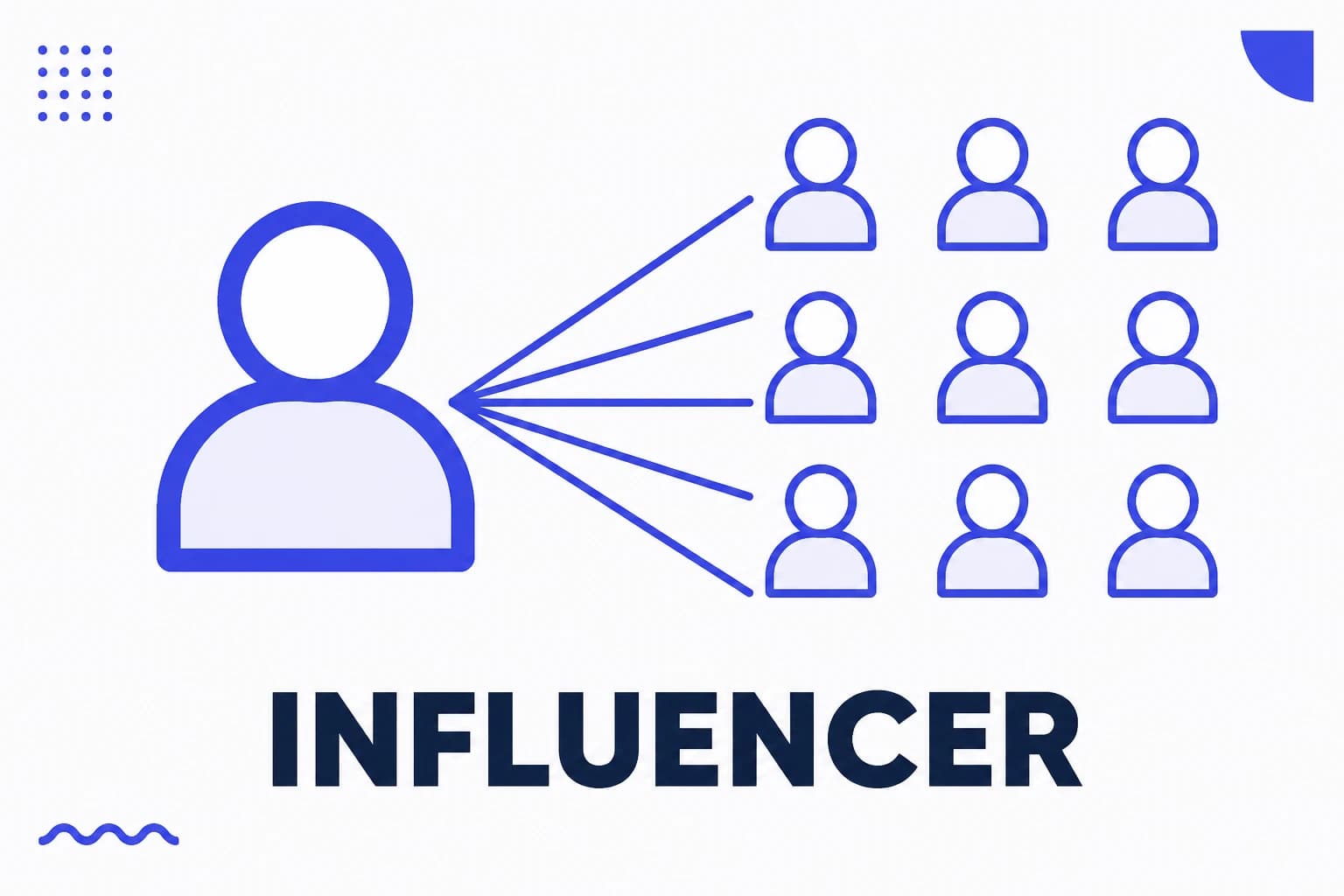
Influencer
An influencer is someone able to move other people's decisions within a subject, whether about purchases, opinions or behaviour. The market organises the category into follower tiers, and that division is useful for budgeting, but it describes audience size rather than influence. There are million follower accounts that sell nothing and five thousand follower accounts that clear stock.
Read the entry
Micro-influencer
A micro-influencer is the audience tier between roughly ten thousand and one hundred thousand followers. It became the market default for an economic rather than aesthetic reason: at that size an account already has meaningful reach while still holding high engagement and credibility, which produces the best cost per result on the scale. The boundaries vary between agencies, and the tier is a convention rather than a rule.
Read the entry
Nano-influencer
A nano-influencer has up to around ten thousand followers. It is the smallest tier on the scale and usually the one with the highest engagement rate, because the audience is genuinely close: in many cases, the followers know the person. That makes a recommendation feel more like advice from a friend than advertising, and that is precisely the asset this tier sells.
Read the entry
Sponsored post
A sponsored post is a publication a creator is paid to make for a brand, talking about a product on their own profile. It is different from a boosted post, which is a brand paying to distribute its own publication, and that confusion shows up constantly. Sponsored posts require disclosure, and the native label is the way to do it.
Read the entry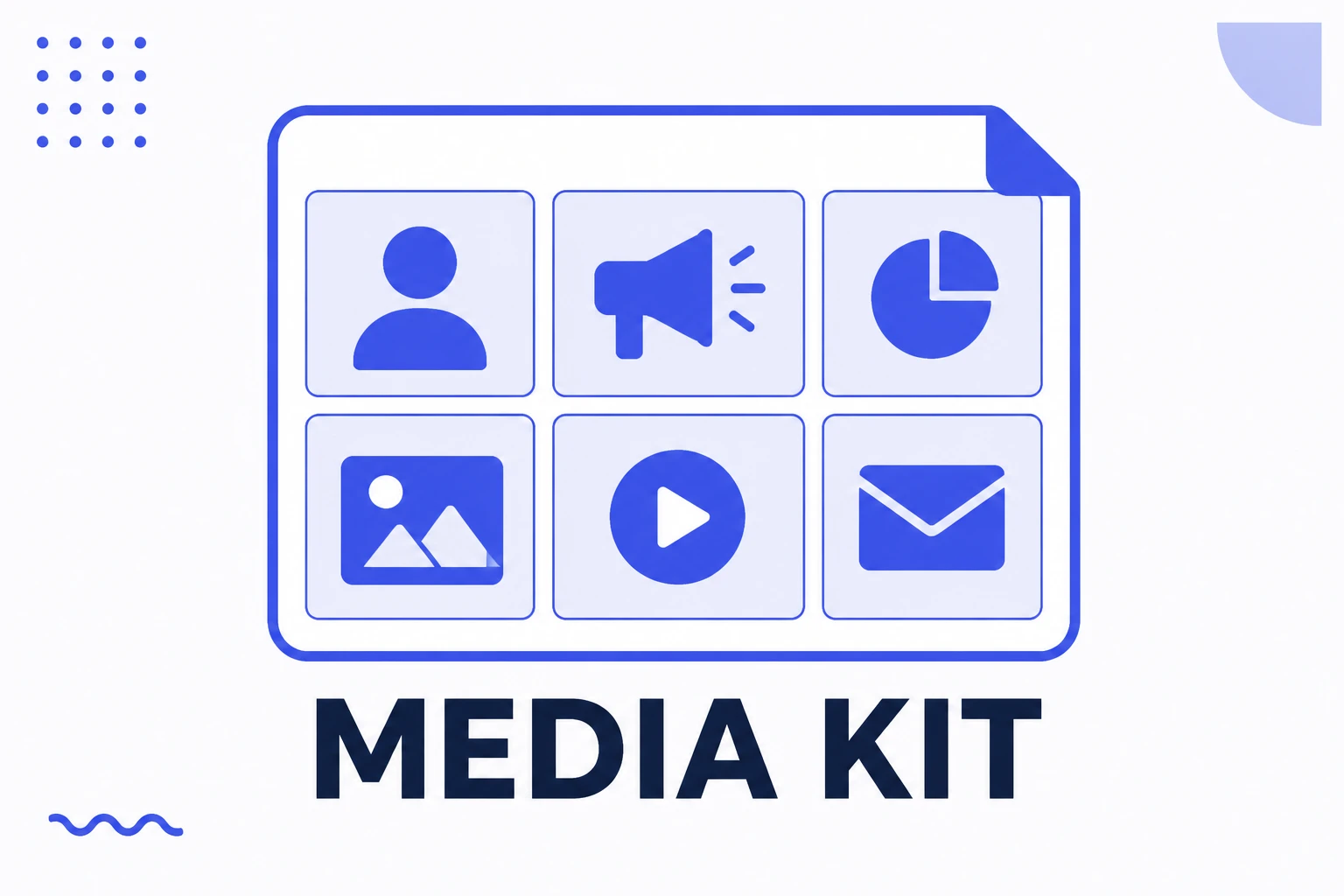
Media kit
A media kit is the document presenting a creator to brands: who they are, who their audience is, what they deliver and what it costs. It exists to answer in one go the questions a brand would ask by message, and the version that works is not a collection of screenshots with follower counts, it is a short commercial document that makes the hiring decision easier.
Read the entry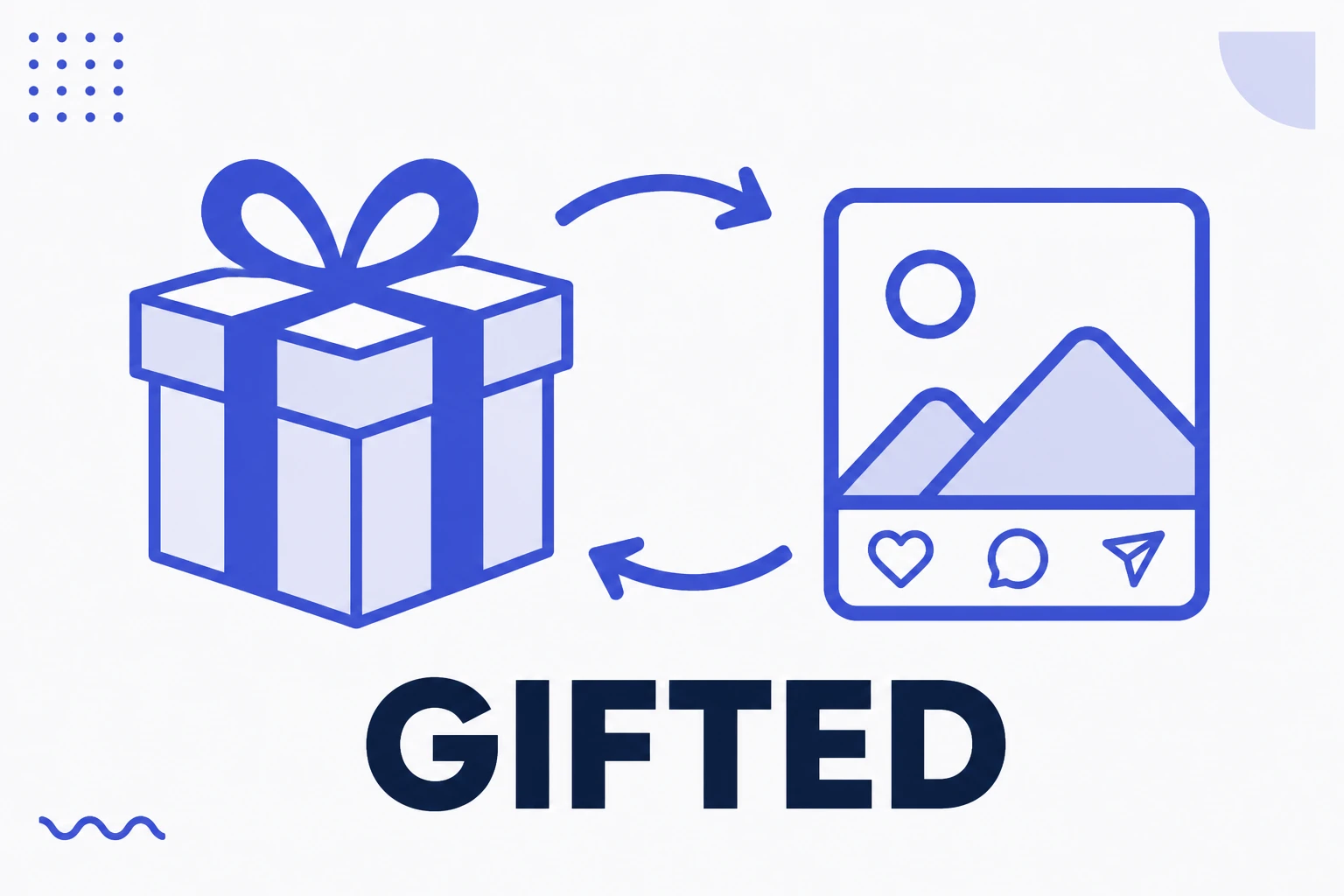
Gifted collaboration
A gifted collaboration is an arrangement where the creator receives a product or service instead of money for promotion. It is the most common entry point into influencer work, and it makes sense in specific situations: when the product has real value to you and the requested work is small. It stops making sense the moment a brand starts asking for production deliverables, because then it is commissioning work.
Read the entry
UGC
UGC stands for user generated content. In today's market the term designates a specific activity: producing content that looks like a real person for a brand to use on its own channels and in ads. The crucial difference from influencer advertising is what is being sold: in UGC the brand buys the content rather than the distribution, which is why the activity requires no audience.
Read the entry