Operação de conteúdo
A rotina que sustenta a publicação: pilares, calendário, produção em lote, cadência, aprovação e o funil que organiza para quem cada peça é feita.
16 termos

Pilar de conteúdo
Pilares de conteúdo são os poucos assuntos recorrentes que uma conta cobre. Eles existem para resolver dois problemas ao mesmo tempo: a página em branco de quem não sabe o que publicar, e a dispersão de quem publica sobre tudo e não é reconhecido por nada. Três a cinco pilares é o intervalo que funciona, e o erro mais comum é confundir pilar com formato.
Ler o verbete
Linha editorial
Linha editorial é o ponto de vista que atravessa tudo que a conta publica: o que ela defende, o que ela combate e como ela fala. Enquanto os pilares definem sobre o que você publica, a linha editorial define de que lado você está dentro desses assuntos. É o que faz duas contas do mesmo nicho, cobrindo os mesmos temas, soarem completamente diferentes.
Ler o verbete
Calendário editorial
Calendário editorial é o documento que organiza o que será publicado, quando e em qual formato. Ele resolve o problema mais caro da produção de conteúdo, que é decidir o tema no dia da publicação, quando não há tempo nem para pensar nem para produzir direito. A maioria dos calendários é abandonada em três semanas, e o motivo quase sempre é o mesmo: ele foi montado como calendário, e não como fila de produção.
Ler o verbete
Banco de conteúdo
Banco de conteúdo é a reserva de peças prontas ou quase prontas, guardadas para publicar quando a produção falhar. Ele existe porque a produção sempre falha em algum momento: a semana vira, alguém adoece, o cliente atrasa. Sem reserva, a conta simplesmente para, e parar custa mais caro do que publicar algo mediano, porque o retorno depende de constância.
Ler o verbete
Produção em lote
Produção em lote é criar várias peças de conteúdo numa mesma sessão, em vez de uma por dia. A economia não vem de trabalhar mais rápido, vem de eliminar o custo de preparação que se repete a cada peça: montar o cenário, ajustar luz, entrar no estado de gravação, abrir o editor. Feito uma vez para dez peças em vez de dez vezes, esse custo deixa de dominar a operação.
Ler o verbete
Frequência de publicação
Frequência de publicação é quantas peças uma conta publica por período. Não existe número universal, e quem promete um está vendendo simplificação: o certo depende do formato, do nicho e, principalmente, do que você consegue sustentar. A constância pesa mais que o volume, porque uma conta que publica três vezes por semana durante um ano rende mais que uma que publica todo dia por um mês e some.
Ler o verbete
Melhor horário para postar
Melhor horário para postar é o momento em que a sua audiência específica está mais ativa, e ele não é o mesmo da tabela que circula na internet. O horário afeta a entrega inicial, que é o primeiro teste de qualquer publicação, mas não decide o desempenho final: conteúdo bom publicado num horário ruim ainda funciona, e conteúdo ruim publicado no horário perfeito continua ruim.
Ler o verbete
Briefing
Briefing é o documento que define o que precisa ser produzido, para quem e com qual objetivo, antes de a produção começar. Ele existe para evitar retrabalho, que é o custo mais caro e mais invisível de qualquer operação de conteúdo. Um briefing bom não descreve a peça, descreve o problema que a peça resolve, e inclui explicitamente o que está fora do escopo.
Ler o verbete
Swipe file
Swipe file é o arquivo pessoal de referências que funcionaram: anúncios, ganchos, estruturas, capas e peças que chamaram sua atenção e valem estudo. O nome vem do jargão da publicidade e não significa copiar, significa ter à mão um repertório de soluções já testadas. O que separa um swipe file útil de uma pasta de prints é uma coisa só: a anotação do motivo.
Ler o verbete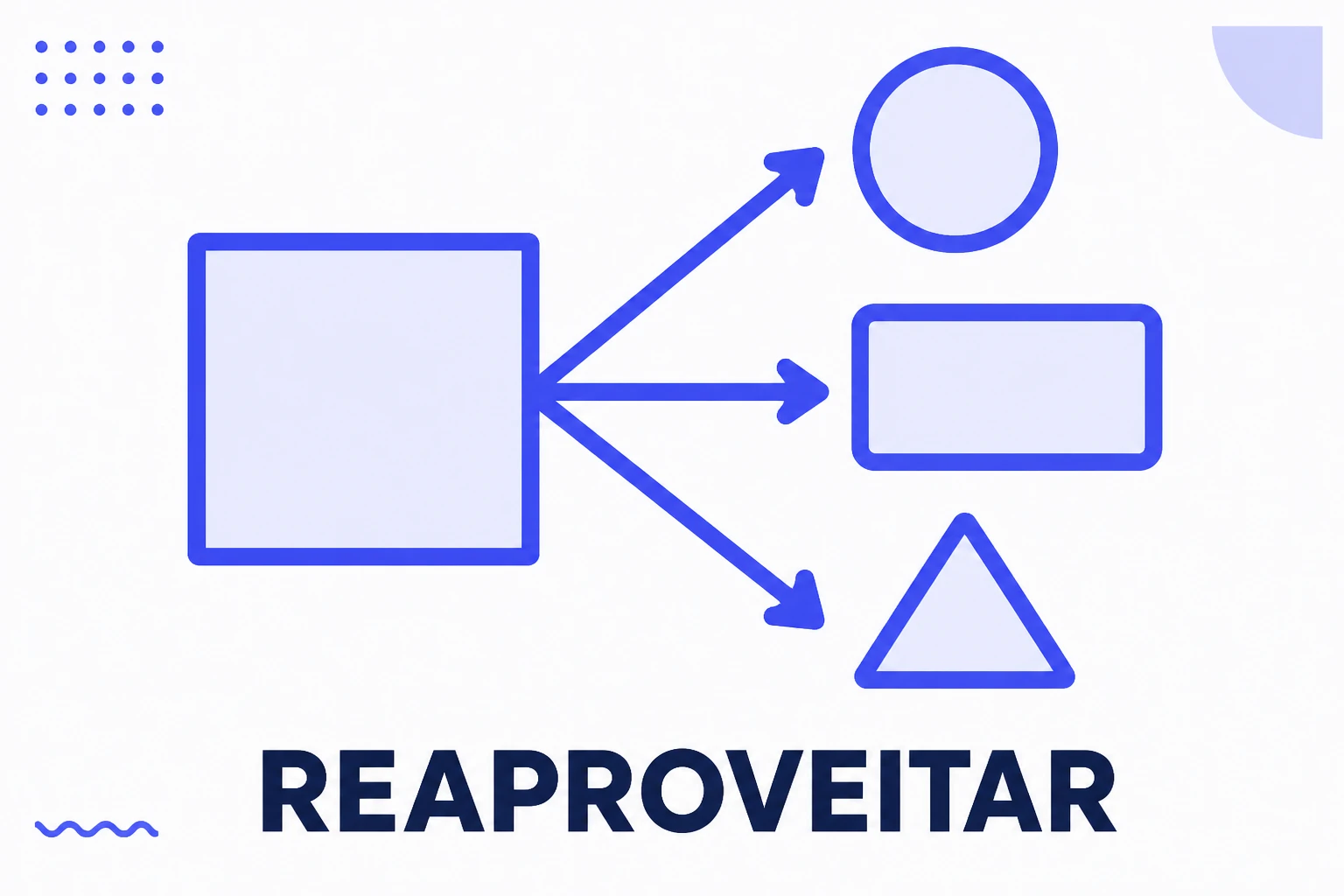
Repurposing
Repurposing, ou reaproveitamento de conteúdo, é transformar uma peça em várias, adaptando a mesma ideia para outros formatos, plataformas ou ângulos. Não é repostar a mesma peça em lugares diferentes: é reescrever a ideia na linguagem de cada formato. É a prática que mais multiplica produção sem multiplicar esforço, e a mais subutilizada por medo de repetição.
Ler o verbete
Auditoria de perfil
Auditoria de perfil é a revisão estruturada de uma conta para achar onde ela está perdendo resultado. Ela existe porque o sintoma quase sempre engana: quem tem pouco resultado conclui que o problema é o conteúdo, quando na maioria dos casos o conteúdo funciona e o perfil não converte, ou o contrário. A auditoria separa essas camadas em vez de tratar tudo como um problema só.
Ler o verbete
Social listening
Social listening é a prática de escutar o que as pessoas dizem sobre um assunto, um mercado ou uma marca nas redes sociais, incluindo o que é dito sem menção direta. A diferença para monitoramento é de escopo e de propósito: monitoramento acompanha o que citam você e serve para reagir; listening acompanha o tema inteiro e serve para decidir o que produzir e o que oferecer.
Ler o verbete
Funil de conteúdo
Funil de conteúdo é a organização das peças conforme o estágio de decisão de quem consome: topo para quem ainda não conhece o problema, meio para quem já procura solução, fundo para quem está decidindo. Ele resolve o desequilíbrio mais comum das contas profissionais, que é produzir só um tipo, e por isso crescer sem vender ou vender sem crescer.
Ler o verbete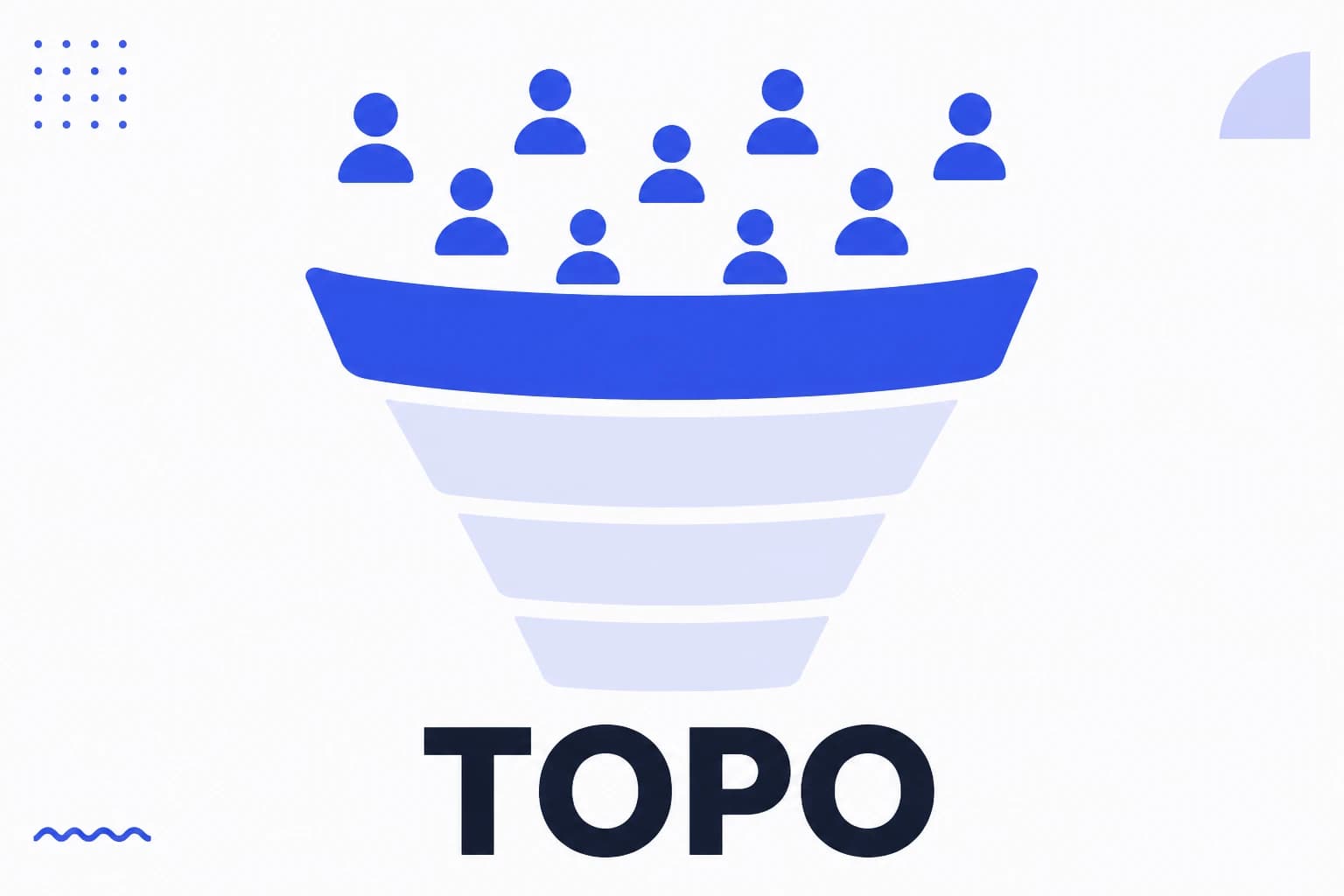
Topo de funil
Topo de funil é o conteúdo feito para quem ainda não conhece você, e frequentemente ainda não sabe que tem o problema que você resolve. É a etapa mais ampla e a única que traz gente nova, o que a torna a fonte de crescimento da conta. Em troca, é a que menos vende diretamente, e tentar vender nela é o erro que mais destrói o alcance dessa etapa.
Ler o verbete
Meio de funil
Meio de funil é o conteúdo para quem já reconhece o problema e está avaliando como resolvê-lo. É a etapa mais esquecida das três, porque não tem o alcance do topo nem a venda direta do fundo, e por isso parece não render. Na prática ela é a que decide: é onde a pessoa forma a opinião sobre qual caminho seguir, e portanto sobre com quem seguir.
Ler o verbete
Fundo de funil
Fundo de funil é o conteúdo para quem já decidiu resolver o problema e está escolhendo com quem. Ele trata de prova, preço, garantia e detalhe da oferta. É a etapa que menos alcança e a que mais converte, e entender essa troca é o que impede a conclusão errada de que ele não funciona só porque tem menos visualização.
Ler o verbete