Jornada do herói: o modelo narrativo mais usado do marketing, e o erro de quem se coloca como herói

Por Tiago Costa·Atualizado em 5 de agosto de 2026
Definição
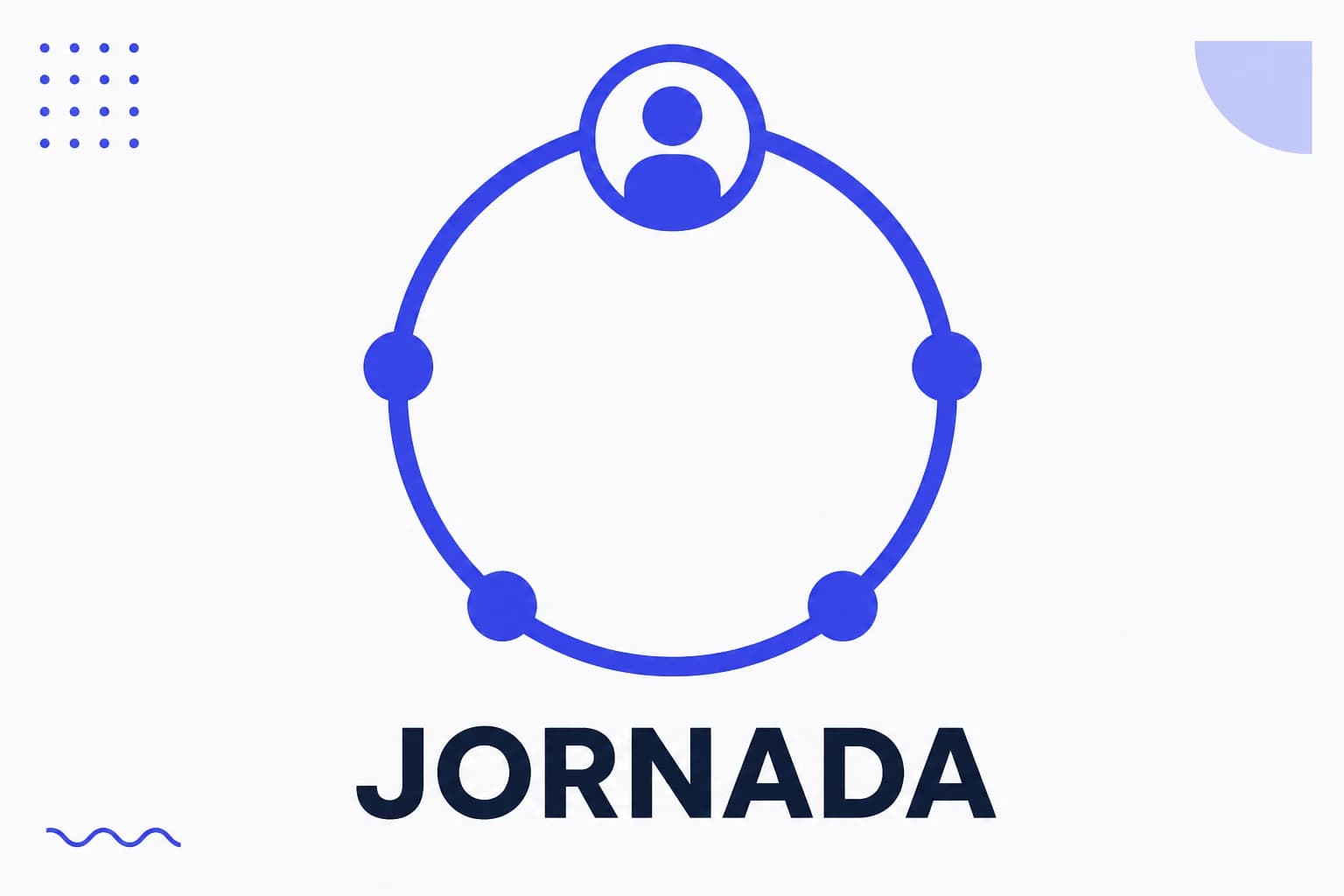
Jornada do herói é o modelo narrativo do chamado ao retorno.
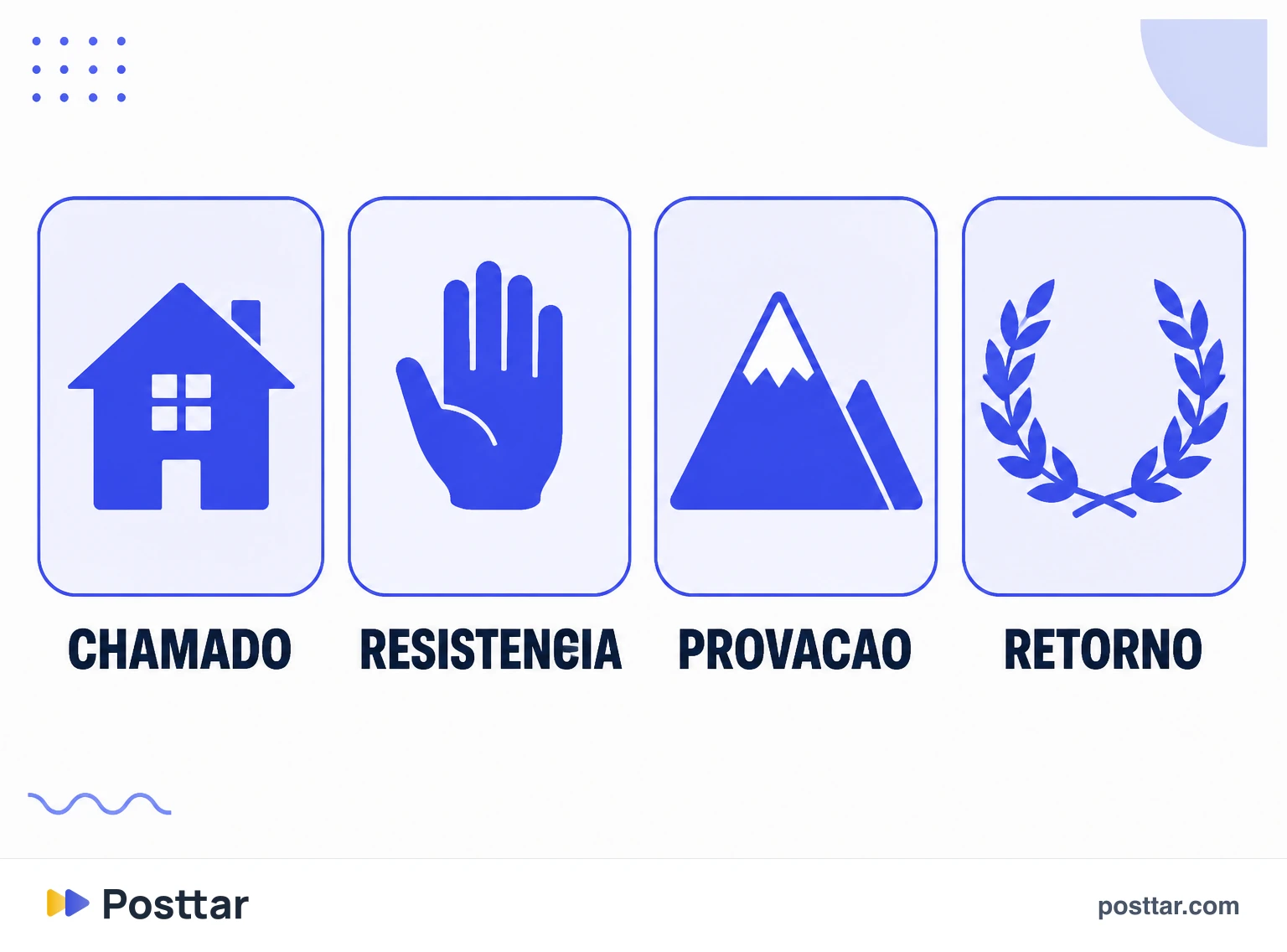
- Chamado, resistência, provação e retorno na versão curta.
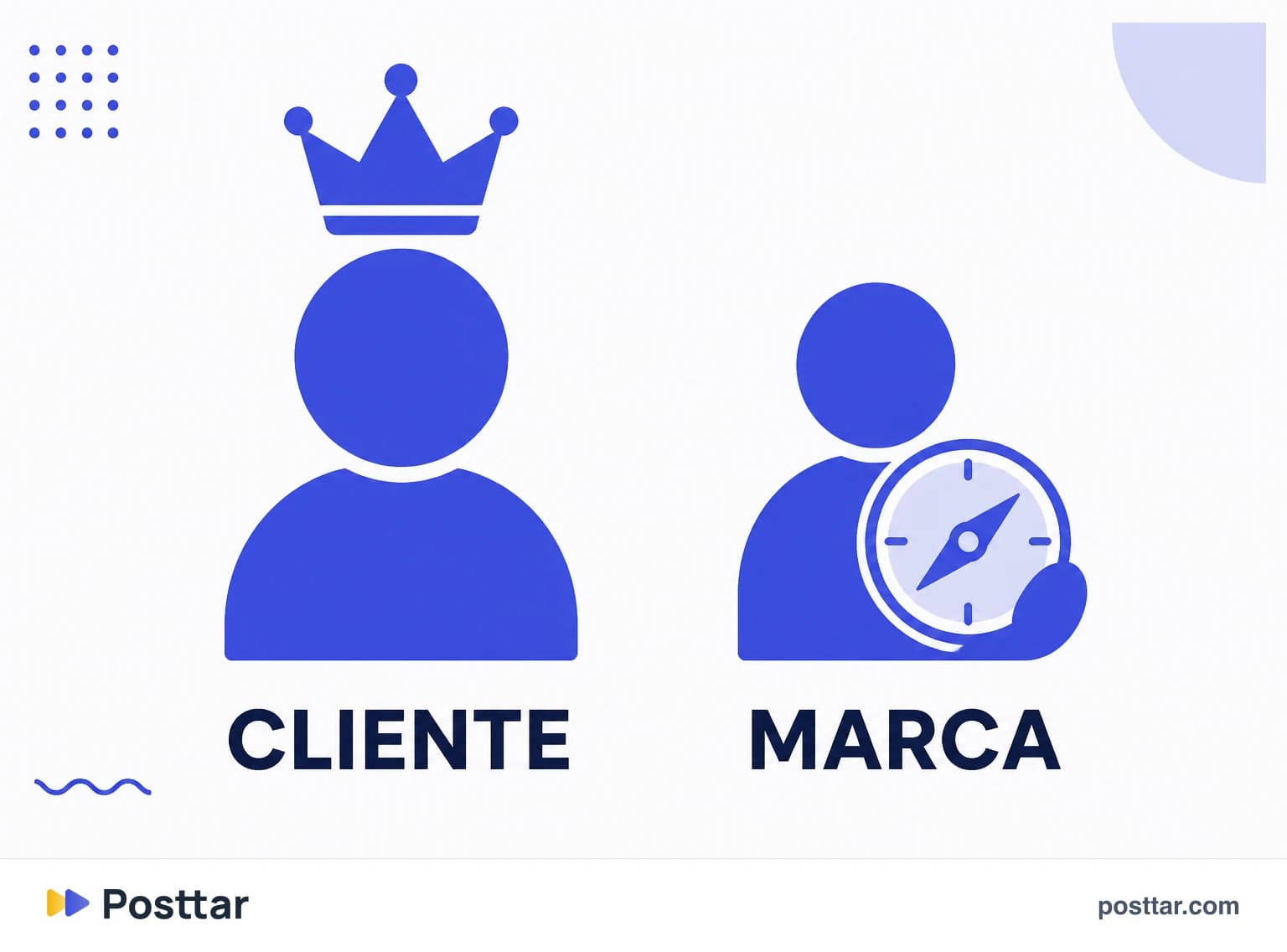
- O cliente é o herói, e a marca é o mentor.
- Colocar-se como herói é o erro mais comum e o que mais cansa.
- Serve como referência, não como fôrma obrigatória.
A versão curta do modelo
As versões acadêmicas têm doze, dezessete ou mais etapas. Para conteúdo, quatro dão conta:
- O mundo comum e o chamado. Como as coisas eram, e o que apareceu para mudá-las.
- A resistência. Por que a pessoa não agiu na hora. Essa etapa é a mais pulada e a mais valiosa, porque é onde a audiência se reconhece.
- A provação. O que deu errado no caminho, o custo real.
- O retorno transformado. O que ficou diferente, e o que ela sabe agora que não sabia antes.
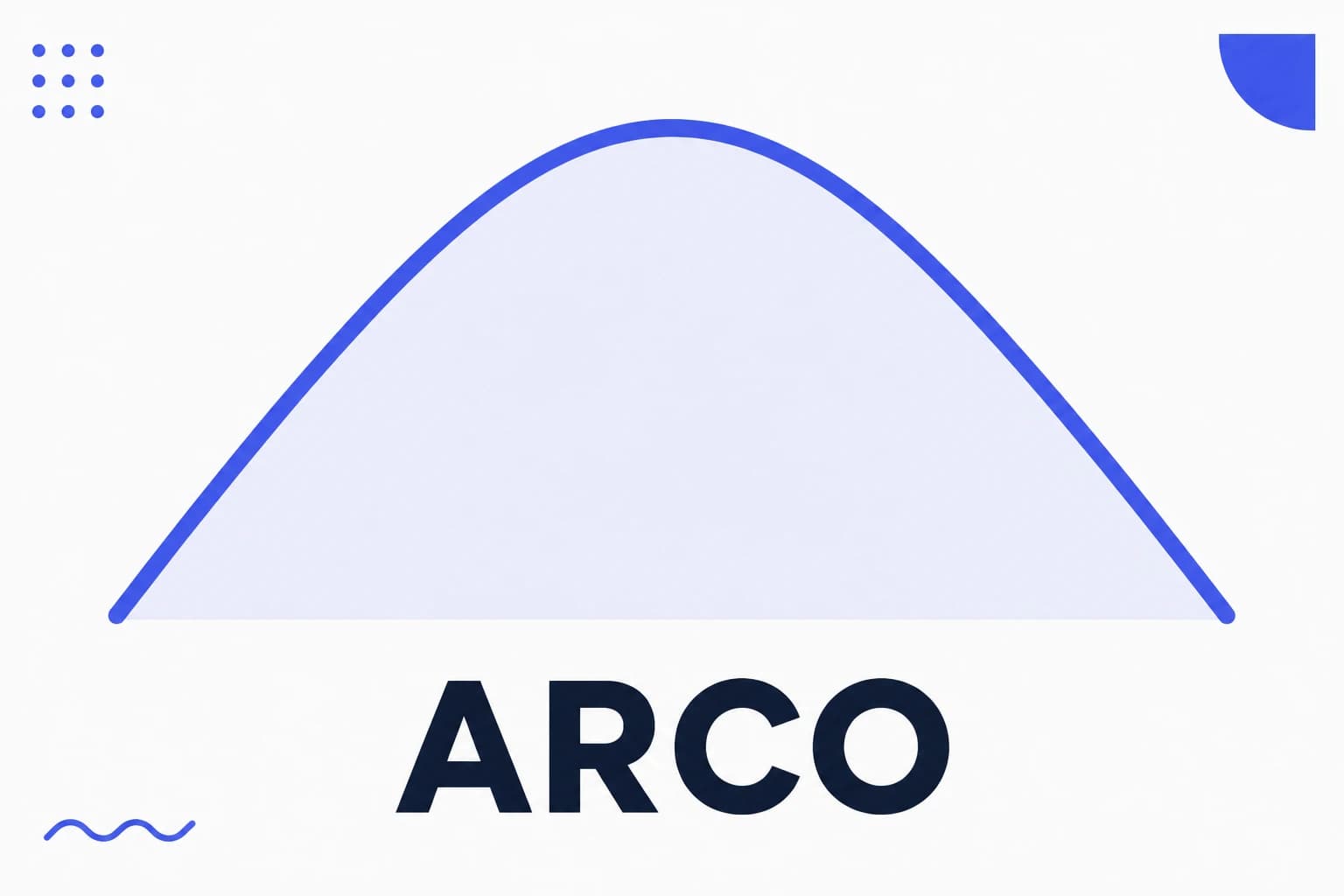
Perceba que a estrutura é uma forma específica de preencher um arco narrativo. O arco é a curva; a jornada é um roteiro conhecido para desenhá-la.
A inversão que quase todo mundo erra
O uso mais comum em marketing é a marca se colocar como herói: nós enfrentamos o desafio, nós superamos, nós vencemos.
Isso cansa e não converte, por um motivo simples: a audiência não se identifica com quem já venceu. Ela se identifica com quem está no meio da provação, porque é onde ela está.
A inversão que funciona é conhecida: o cliente é o herói, e você é o mentor. O mentor tem papel definido nessa estrutura, e é um papel bom: ele já passou pelo caminho, entrega a ferramenta e mostra a direção. Ele não é o protagonista, e não precisa ser.
Na prática isso muda o texto inteiro. Em vez de "eu consegui isso", vira "você está aqui, e o que falta é isto".
Como usar em conteúdo
- Caso de cliente. É o encaixe mais direto: o cliente é o herói, o problema é a provação e você aparece como quem entregou o mapa.
- Sua própria história, com cuidado. Funciona se o foco estiver na provação e no erro, não na vitória. Bastidor de fracasso conecta; troféu afasta.
- Conteúdo educativo. A estrutura serve para organizar: aqui está seu mundo comum, aqui está o que vai mudar, aqui está o que vai dar errado no meio, aqui está o outro lado.
Em formato curto, o corte costuma ficar em duas etapas: a provação e o retorno. Chamado e resistência ficam implícitos.
Os limites do modelo
Vale um contraponto, porque a jornada é vendida como fórmula universal e não é.
- Ela é uma leitura, não uma lei. A ideia de que toda história do mundo segue esse padrão é uma generalização discutida, e forçar o encaixe deforma histórias que funcionariam melhor de outro jeito.
- Ela é longa. Em conteúdo curto, boa parte das etapas não cabe, e insistir produz peça inchada.
- Ela é previsível. Quando o público já conhece o formato, a estrutura entrega o desfecho antes da hora.
Trate como referência útil para diagnosticar o que falta numa narrativa, e não como sequência obrigatória a preencher.
Checklist
- O herói da minha história é o cliente, não eu.
- Apareço como mentor, com ferramenta e direção.
- Mostro a resistência e a provação, não só a vitória.
- Em peça curta, corto para provação e retorno.
- Não forço o modelo quando a história pede outra estrutura.
Perguntas frequentes
O que é a jornada do herói?
É o modelo narrativo que descreve a estrutura repetida em mitos e histórias: alguém comum recebe um chamado, resiste, atravessa uma provação com ajuda de um mentor e volta transformado.
Quais são as etapas da jornada do herói?
As versões completas têm doze ou mais. Para conteúdo, quatro bastam: o mundo comum e o chamado, a resistência, a provação e o retorno transformado. A resistência é a etapa mais pulada e a que mais gera identificação.
Como usar a jornada do herói no marketing?
Com uma inversão: o cliente é o herói e a marca é o mentor. A audiência não se identifica com quem já venceu, e sim com quem está no meio da provação. O mentor entrega ferramenta e direção sem ser o protagonista.
Qual a diferença entre jornada do herói e arco narrativo?
O arco narrativo é a curva geral de tensão, presente em qualquer história. A jornada do herói é um roteiro específico, com etapas nomeadas, que é uma das formas possíveis de desenhar esse arco.
A jornada do herói funciona em vídeo curto?
Funciona cortada. Em trinta segundos costumam caber apenas duas etapas, a provação e o retorno, com chamado e resistência implícitos. Insistir nas doze etapas em formato curto produz peça inchada e sem ritmo.
Conceitos relacionados
Arco narrativo
Arco narrativo é a curva de tensão de uma história: a estrutura pela qual um conflito é apresentado, cresce até um ponto de máxima tensão e se resolve. É o que faz uma sequência de acontecimentos virar uma história em vez de uma lista. Em conteúdo curto ele não desaparece, ele se comprime, e a compressão costuma torná-lo mais evidente, não menos.
Ler o verbete
Storytelling
Storytelling é a prática de organizar uma mensagem em forma de história, com personagem, conflito e resolução, em vez de apresentá-la como argumento direto. Funciona porque história é o formato que a memória humana guarda melhor: a mesma informação embutida numa narrativa é lembrada muito mais do que exposta em lista. O que separa uma história de um relato é o conflito.
Ler o verbete
Copywriting
Copywriting é a escrita feita para provocar uma ação específica: comprar, se cadastrar, responder, clicar. A diferença para os outros tipos de escrita não é o estilo, é o critério de sucesso. Um texto literário é julgado pela experiência que provoca; um copy é julgado pelo número de pessoas que fizeram o que ele pedia. Isso muda tudo, inclusive a ordem em que ele é escrito.
Ler o verbete
Roteiro
Roteiro é o documento que define o que será dito e mostrado num vídeo antes de a gravação começar. Em conteúdo curto ele quase nunca é lido palavra por palavra, mas escrever antes muda o resultado de qualquer forma: obriga a decidir o gancho, corta a divagação e reduz o número de tomadas. A conta é simples, um roteiro custa dez minutos e economiza uma hora de edição.
Ler o verbete