Reels max length: the ceiling rose, but the video that holds is still short

By Tiago Costa·Updated on August 5, 2026
Definition
The maximum length of a Reel is three minutes.
- The ceiling has risen several times and probably will again.
- Can is not should. Longer usually performs worse.
- Retention is what ranks, and it falls with duration.
- Past the limit, the video is refused or trimmed on upload.
The current number and why it changes
Today the ceiling is three minutes. Before that it was ninety seconds, and before that sixty, and before that thirty.
The climb has a clear logic: each increase is an attempt to pull in content that was going to long video elsewhere. Since that fight is not over, it is reasonable to expect the number to rise again.
So if you are reading this long after publication, confirm the current ceiling when you upload. It is the kind of figure that ages fast and that the publishing screen itself tells you.
Can is not should
This is where the mistake every limit increase causes lives. A bigger ceiling reads as an invitation, and it is not.
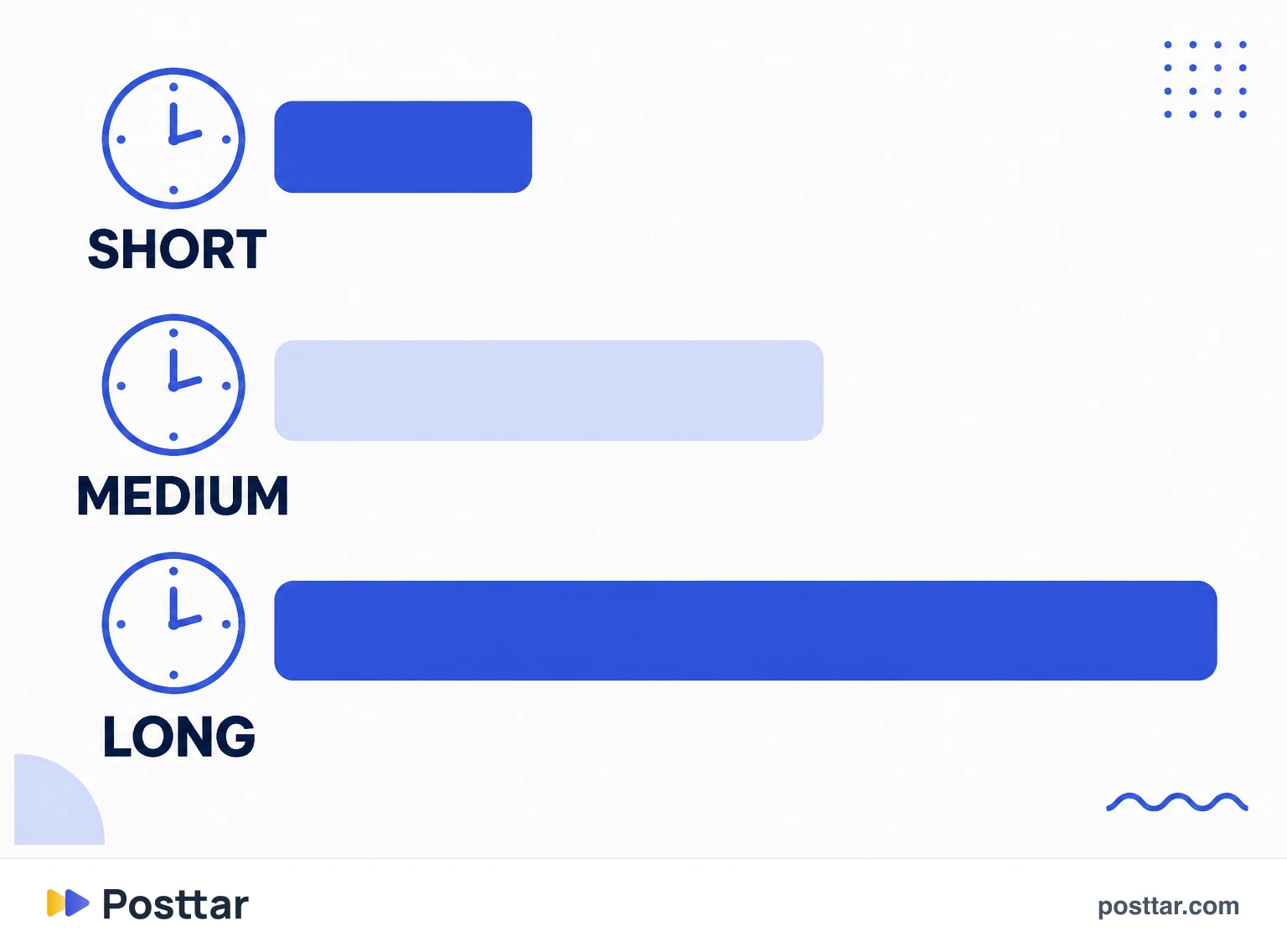
What ranks a Reel is retention: how much of the video people watch, and how many rewatch. And percentage retention falls with duration, because holding someone for twenty seconds is far easier than for three minutes.
In practice, a thirty second video almost everyone finishes usually gets distributed better than a three minute one almost nobody completes, even when the second accumulates more total watch time.
The practical conclusion is boring but correct: the video should be as long as the idea, and not one second more.
When a long Reel makes sense
There are cases, and they share one trait: the extra time is the content, not padding.
- Process demonstration. A step by step that only makes sense whole.
- A story with a turn. Narrative that needs build up for the turn to land.
- A short lesson. An explanation where cutting damages understanding.
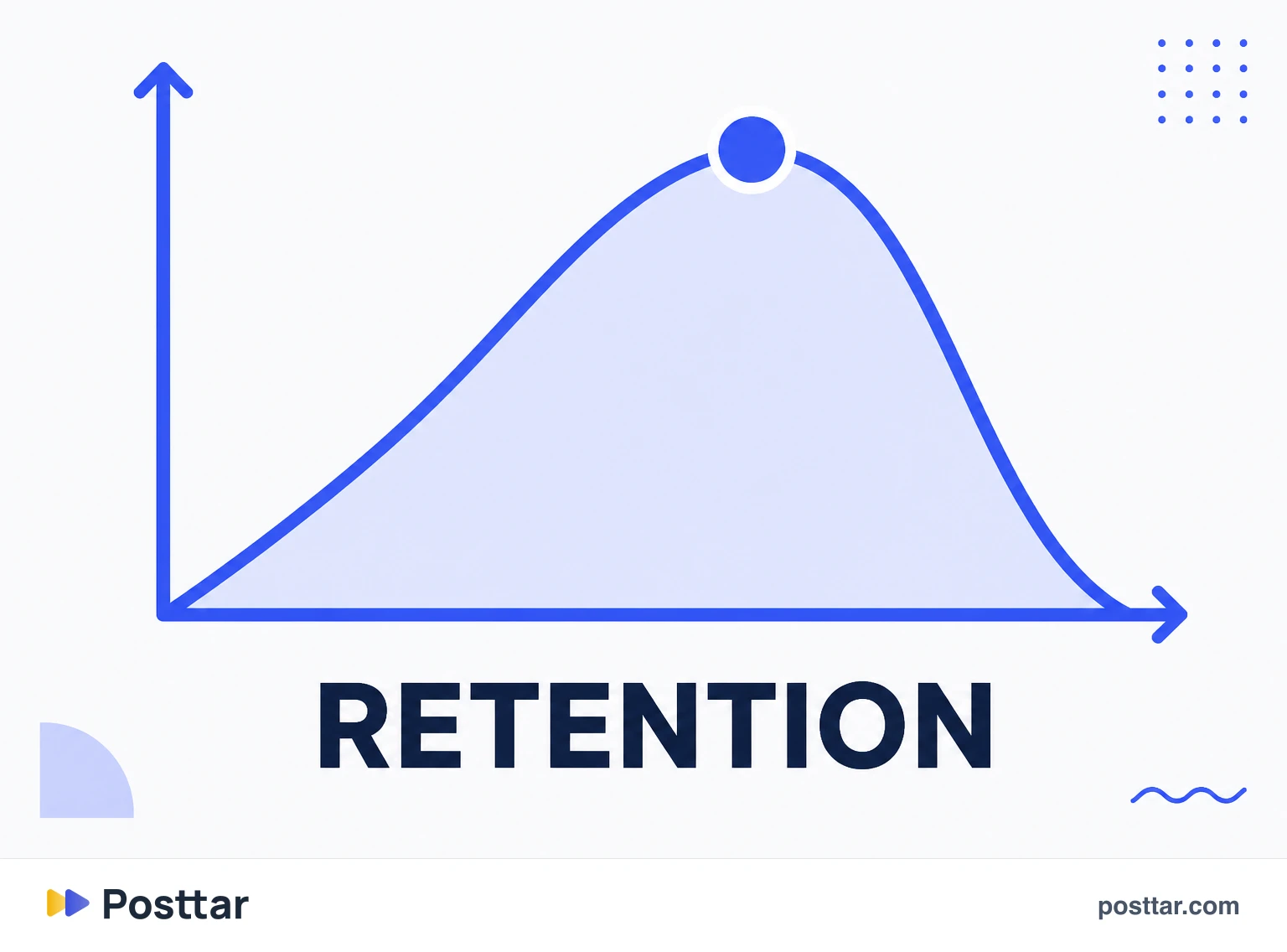
In all of them the hook matters even more, because the person has to decide to invest minutes rather than seconds. And it is worth measuring the retention curve: it shows the exact second the audience gave up, which is usually the point where the video should have ended.
What happens if you exceed the limit
It depends where you upload from. In the app, a video longer than the ceiling is normally refused or sent to a trimming screen. Publishing through an external tool, the behaviour varies and the error sometimes only surfaces at publish time.
Videos above the Reels ceiling can still be published as ordinary video in some flows, but distribution is then different: without the Reels tab, reach among people who do not follow you drops a lot.
Checklist
- I confirmed the current ceiling on the publishing screen.
- My video is as long as the idea, not as long as the maximum.
- If it is long, the extra time is content and not padding.
- I read the retention curve to find where I should have cut.
- I judge the video by retention, not by total watch time.
Frequently asked questions
Can an Instagram reel be 3 minutes?
Yes, that is the current ceiling. But being allowed is not the same as being advisable: percentage retention falls with duration, and retention is what decides distribution.
How long is too long for an IG reel?
Longer than the idea. There is no magic number: the video should end when the content ends. The retention curve shows the second the audience gave up, and that point is usually where it should have finished.
Can I post a 10 minute video on Instagram?
Not as a Reel, which currently caps at three minutes. Longer videos can go up as ordinary video in some flows, but distribution is then different: outside the Reels tab, reach among people who do not follow you drops considerably.
Do longer Reels perform worse?
On average yes, because percentage retention falls as the video grows and retention is the main distribution signal. The exception is video where the extra time is the content itself, such as a process demonstration or a narrative with a turn.
What happens if my video exceeds the Reels limit?
In the app it is normally refused or sent to a trimming screen. Through an external publishing tool the behaviour varies, and the error sometimes only appears at publish time rather than on upload.
Related concepts
Reels
Reels is Instagram's short vertical video format, and the main distribution route to people who do not follow an account. Unlike a feed post, whose delivery depends heavily on the history between two accounts, a Reel is offered to whoever the system predicts is interested in the subject, which makes it the platform's most direct growth tool and also the most demanding on retention.
Read the entry
Average retention
Average retention is the percentage of a video people watched, on average, before leaving. It is the percentage version of watch time, and it exists to make videos of different lengths comparable. It falls naturally as a video gets longer, which means comparing a ten-second Reel with a one-minute one using the same number is a misreading.
Read the entry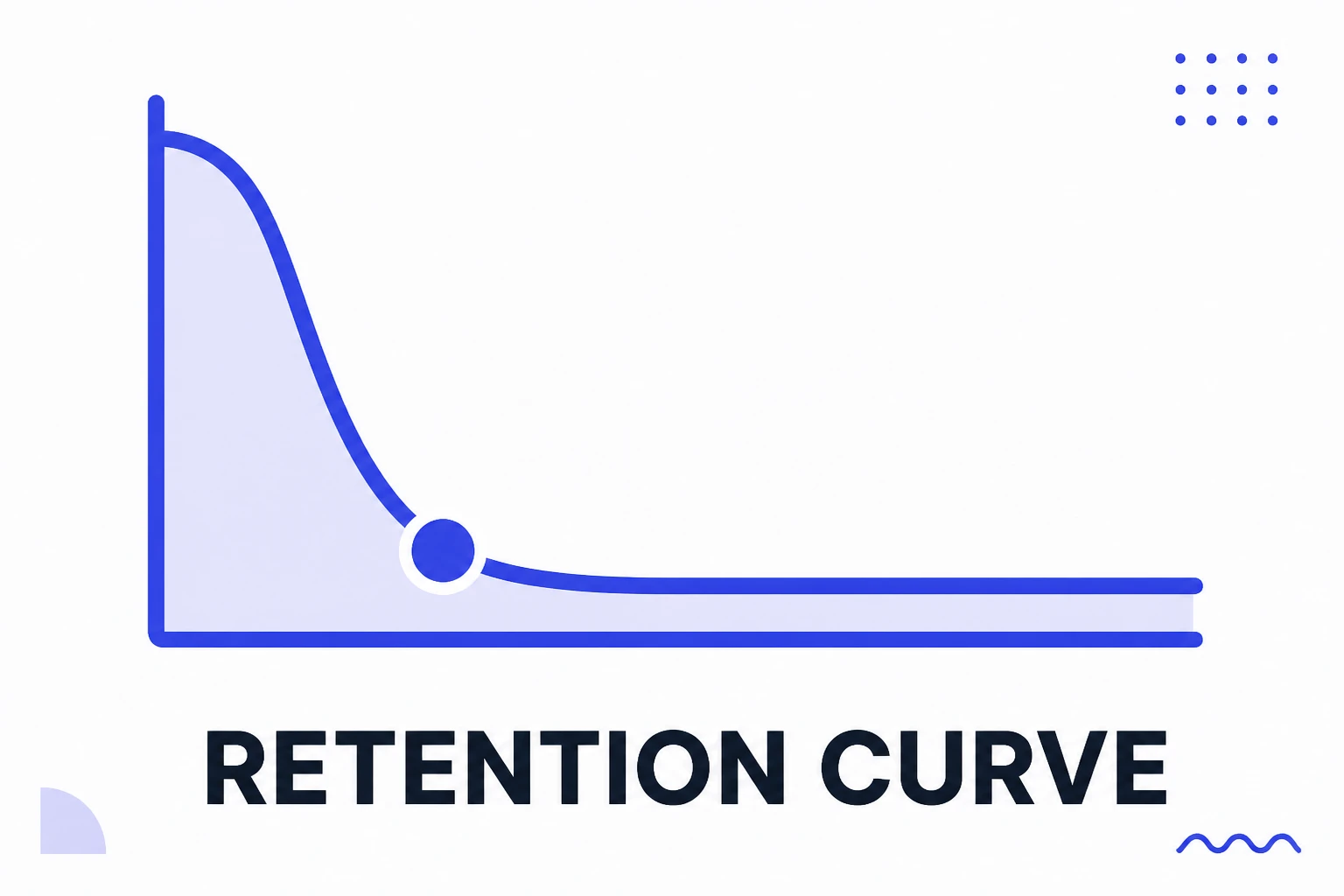
Retention curve
The retention curve is the chart showing what percentage of the audience was still watching at each second of a video. Unlike average retention, which compresses everything into one number, the curve shows the exact location of the loss, and it is the only video metric that points at what to fix rather than merely reporting that something is wrong.
Read the entry
Hook
A hook is the opening of a piece of content, responsible for buying the first seconds of attention and making someone decide to keep going. In short video it occupies the first three seconds and is simultaneously verbal, visual and sonic; in a carousel it is the cover; in text it is the first line. A hook is not decoration: because the distribution system watches retention and dwell time, it determines whether the content ever gets delivered beyond the people who already follow you.
Read the entry