Paid partnership: the label that discloses advertising and unlocks boosting

By Tiago Costa·Updated on August 5, 2026

Definition
Paid partnership is the label identifying content as advertising.
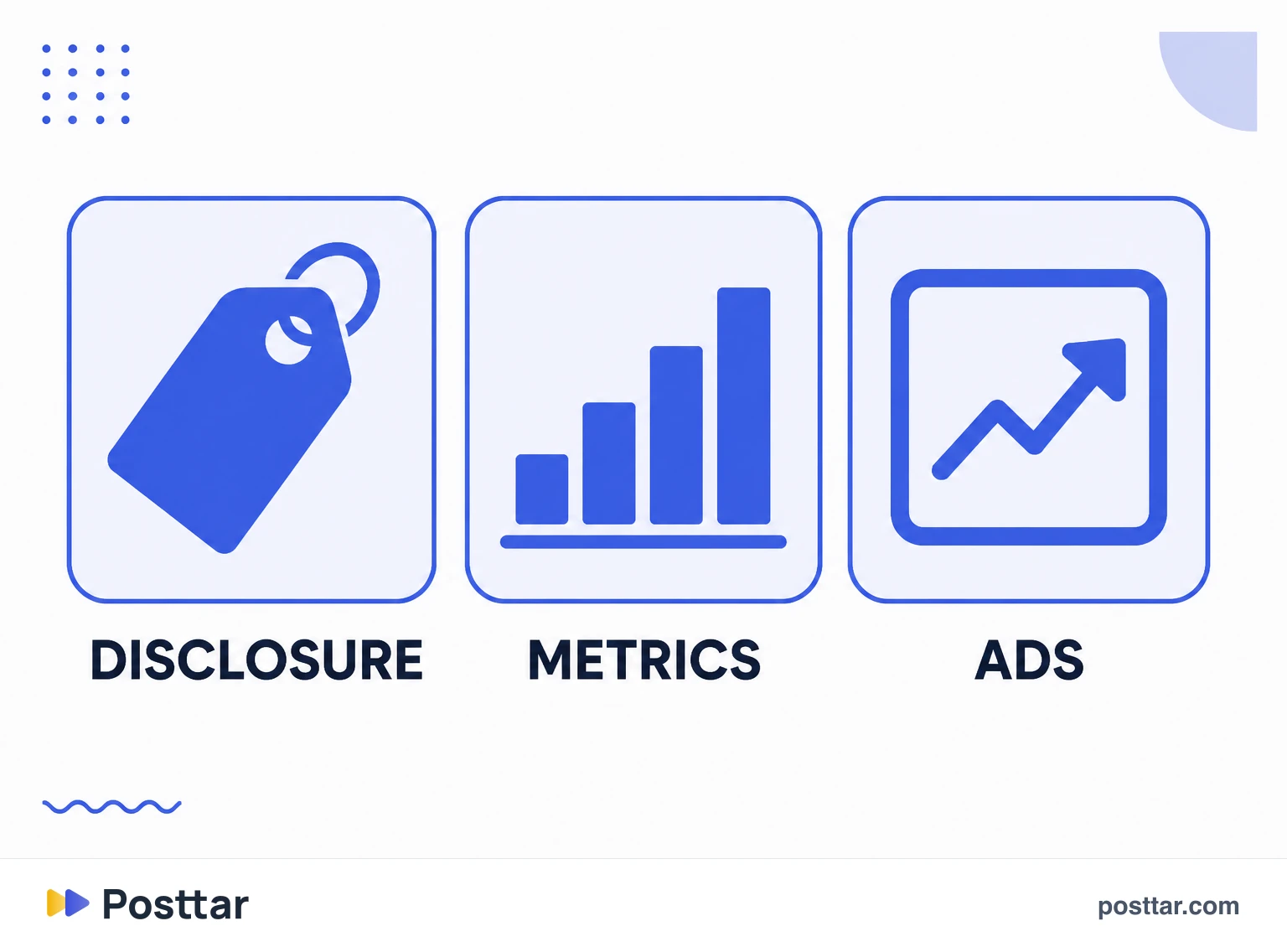
- It discloses the ad visibly, above the caption.
- It gives the brand metrics, showing them the post's performance.
- It unlocks creator ads, running from the creator's profile.
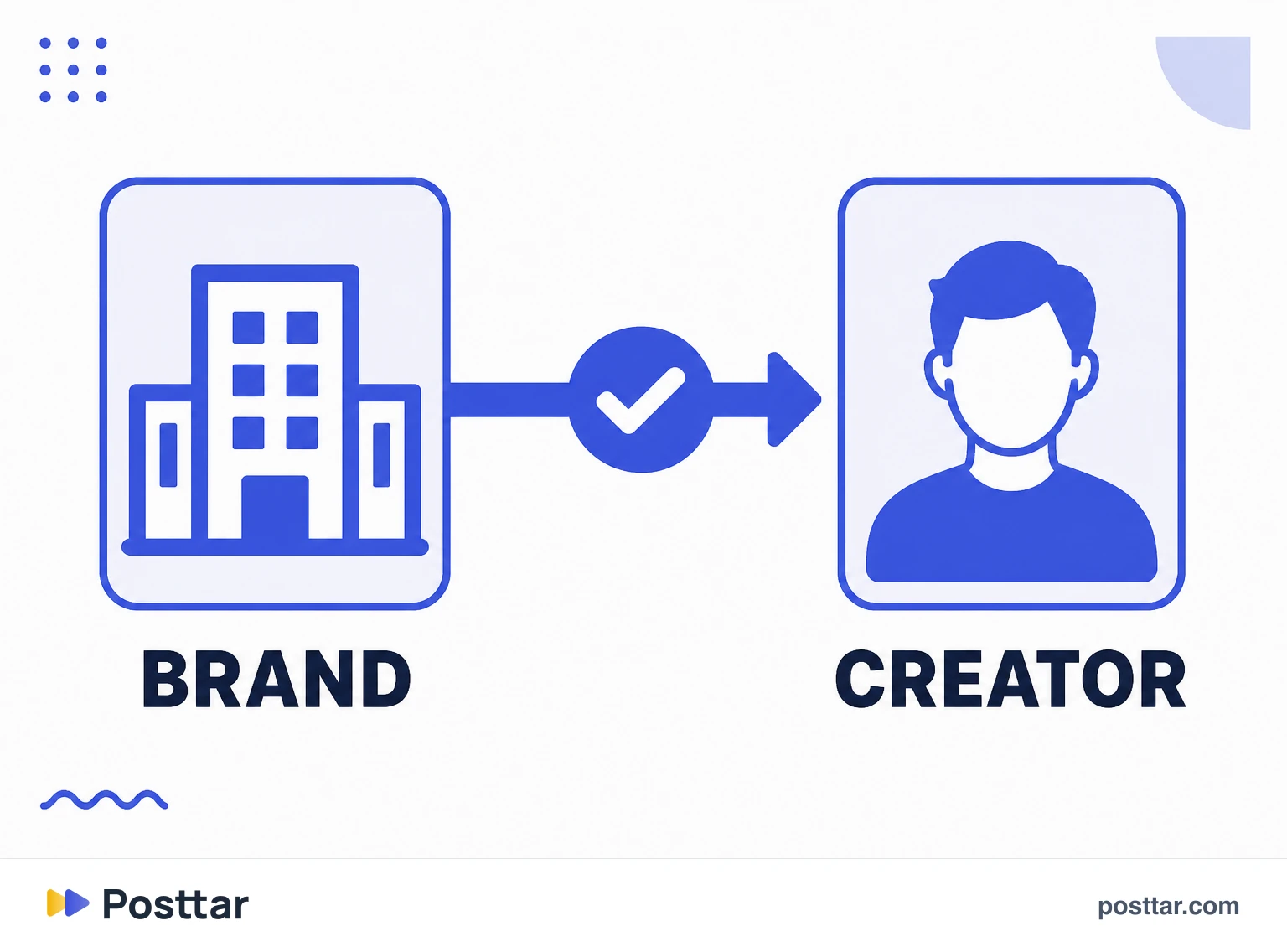
- It requires prior approval from the brand before you can tag it.
What the label does
When active, "Paid partnership with [brand]" appears right below the publisher's name, in a place that does not disappear when the caption gets truncated. That is different from writing "ad" in the caption, where the disclosure competes with the rest of the text and can hide behind the "more" link.
The label does three things at once:
- It handles disclosure. Advertising has to be identifiable as advertising, and this is the platform native way.
- It opens metrics to the brand. The tagged company sees reach, engagement and the other numbers for that piece, without relying on screenshots.
- It enables the ad. It is what lets the brand boost the content out of the creator's profile.
How to enable it
On the final screen before publishing there is an advanced settings option, and inside it the paid partnership label. You switch it on and pick the brand.
Two points that block people daily:
- The brand has to have approved you first. On their side there is a list of creators authorised to tag them. Without being on it, the name does not show up in search.
- The account has to be professional, creator or business. Personal accounts do not have the feature.
You can also add the label to an already published post through the edit menu, which saves the case of a post that went up without it.
When it is required
The practical rule is simple: if there was compensation, it is advertising. Compensation is not only money. Gifted product, travel, accommodation, exclusive discounts and barter all count.
This holds even when the content is sincere and even when you would have talked about the product for free. What disclosure protects is not your opinion, it is the viewer's right to know a commercial relationship exists.
Check the rules in your own country, because the requirement varies by jurisdiction, and consumer protection bodies and advertising self regulation organisations usually have their own position on how the disclosure must look.
What it unlocks in paid media
This is the most underrated part. With the label active and permission granted, the brand can run the content as an ad from the creator's profile rather than its own.
The difference matters: the ad carries the name, the face and the credibility of someone the audience already follows, rather than the company's institutional voice. In many niches that changes cost per result meaningfully.
For the creator, the side effect is good: the content stays on their profile accumulating reach and followers while the brand pays for distribution.
Checklist
- I use the label whenever there was compensation, gifted product included.
- I asked the brand to approve me before trying to tag them.
- My account is professional, not personal.
- I know the label can be added to an already published post.
- I agreed beforehand whether the brand will boost from my profile.
Frequently asked questions
What is a paid partnership on Instagram?
It is the official label identifying content as advertising, showing "Paid partnership with" and the brand name below the publisher's name. It discloses the ad, gives the brand access to the post metrics and allows it to be run as an ad.
How do you add a paid partnership label on Instagram?
On the final screen before publishing, open advanced settings and turn on the paid partnership label, then pick the brand. Your account has to be professional and the brand must have approved you as a partner beforehand.
Why can't I tag the brand in a paid partnership?
Almost always because the brand has not yet approved you on their list of authorised creators, or because your account is not professional. Without prior approval, the company name does not appear in the label search.
Do I need the label if I only received the product?
Yes. Compensation is not only money: gifted product, travel, accommodation and barter also make it advertising. The obligation stands even when the content is sincere and you would have mentioned the product for free.
What is the difference between paid partnership and a collab post?
Paid partnership discloses advertising and unlocks metrics and boosting for the brand, but the post stays yours. A collab post makes the post appear in both grids and adds both audiences, while saying nothing about a commercial relationship.
Related concepts
Collab post
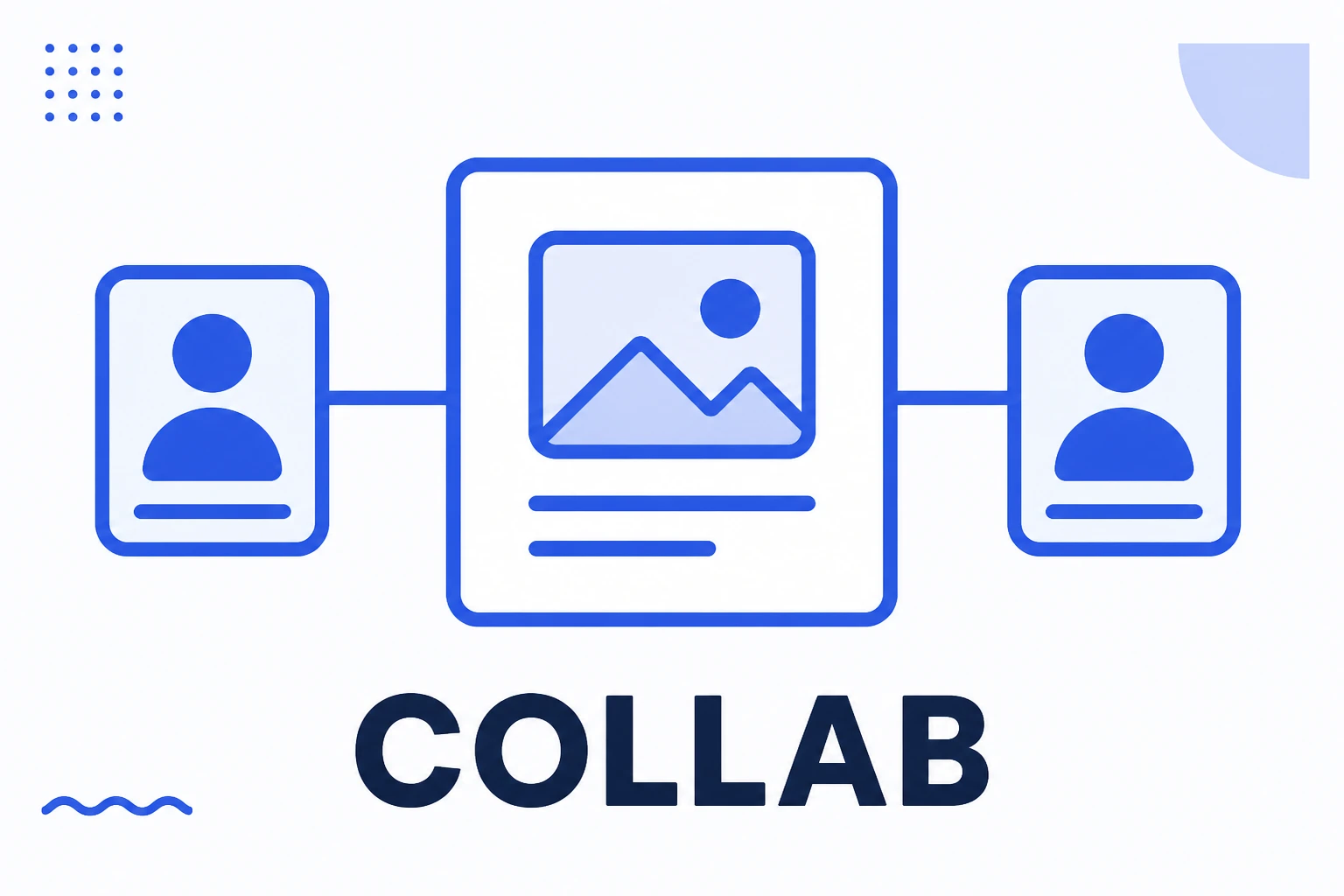
A collab post is the feature that makes one post appear on the profile of two or more accounts, all listed as authors and sharing the same likes, comments and views. It is the only native way to add audiences to the same content: the piece is distributed to the followers of every collaborator, which makes it the most direct reach lever the platform offers for free.
Read the entry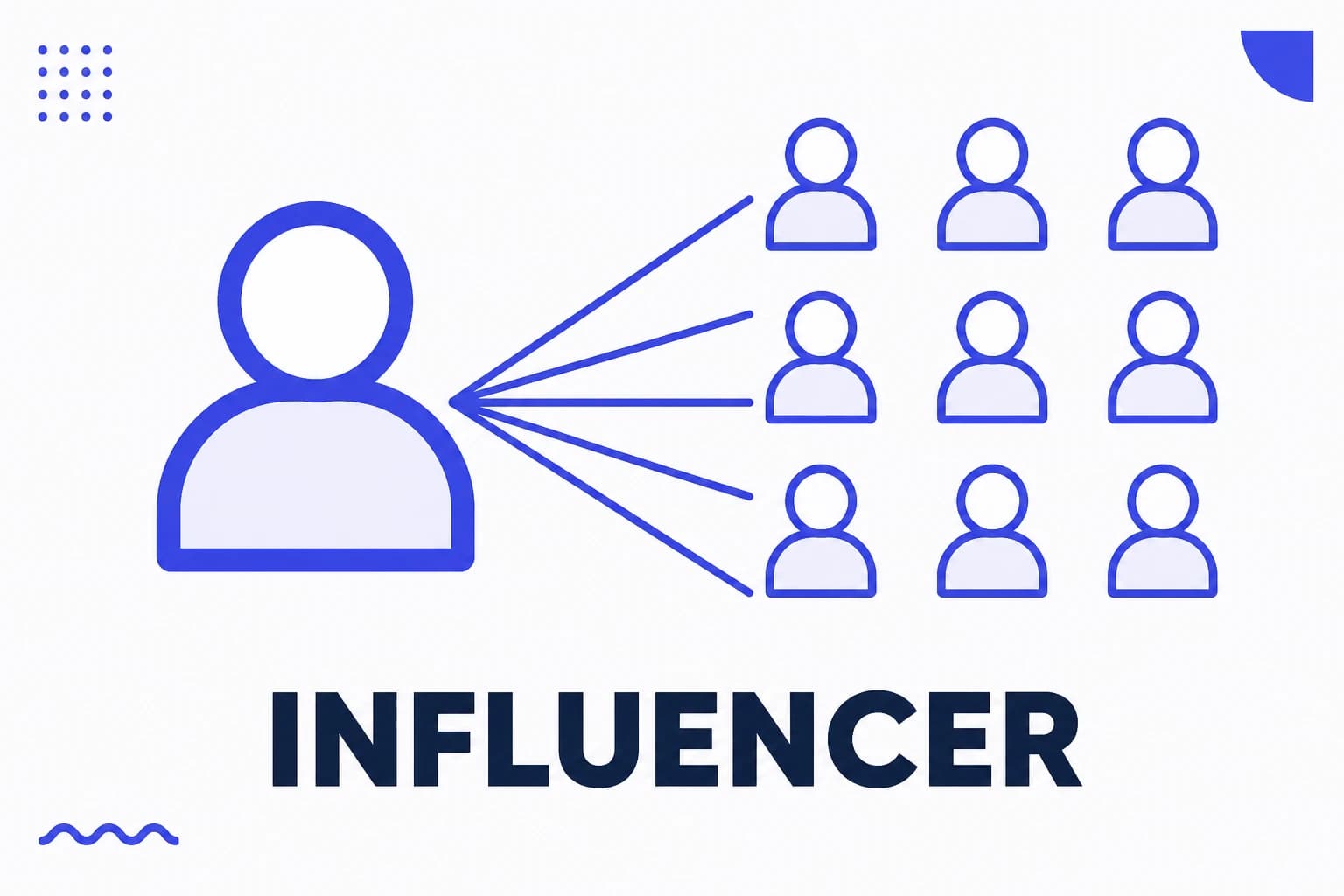
Influencer
An influencer is someone able to move other people's decisions within a subject, whether about purchases, opinions or behaviour. The market organises the category into follower tiers, and that division is useful for budgeting, but it describes audience size rather than influence. There are million follower accounts that sell nothing and five thousand follower accounts that clear stock.
Read the entry
UGC
UGC stands for user generated content. In today's market the term designates a specific activity: producing content that looks like a real person for a brand to use on its own channels and in ads. The crucial difference from influencer advertising is what is being sold: in UGC the brand buys the content rather than the distribution, which is why the activity requires no audience.
Read the entry
Reach
Reach is the number of unique accounts that saw a piece of content at least once. Unlike impressions, it does not count the same person twice, so it measures the size of the audience touched rather than the volume of exposure. On Instagram, reach is reported per post and per period, and it can be split between followers and non followers, which is the reading that shows whether a profile is discovering new people or simply circulating among those who already follow it.
Read the entry