Influencer: someone who moves purchase decisions, and why follower tiers do not define it

By Tiago Costa·Updated on August 5, 2026
Definition
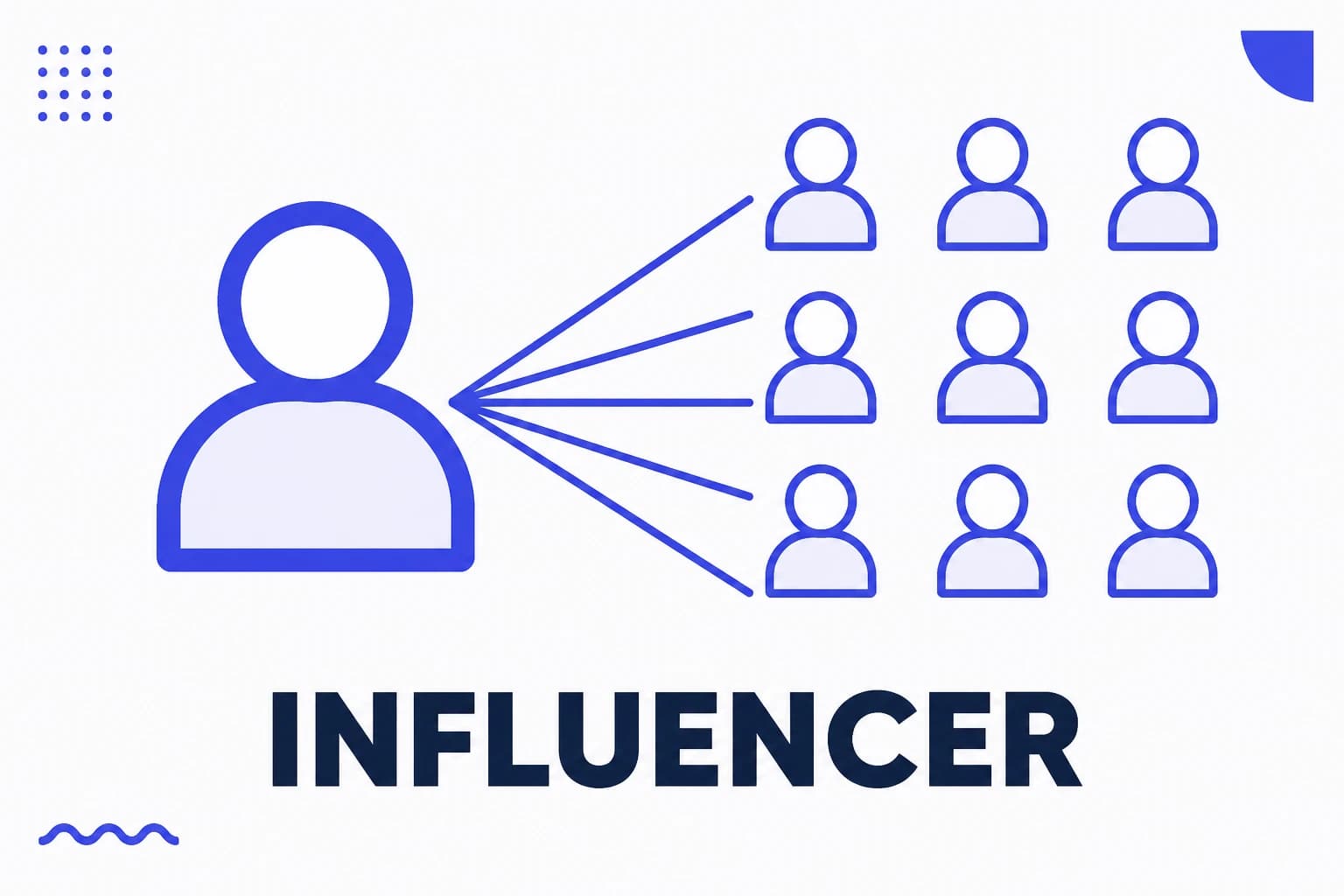
An influencer moves other people's decisions within a subject.
- Follower tiers describe size, not influence.
- There is no minimum to start being paid.
- Niche and trust weigh more than volume.
- It is a commercial activity, with a duty to disclose advertising.
The market tiers
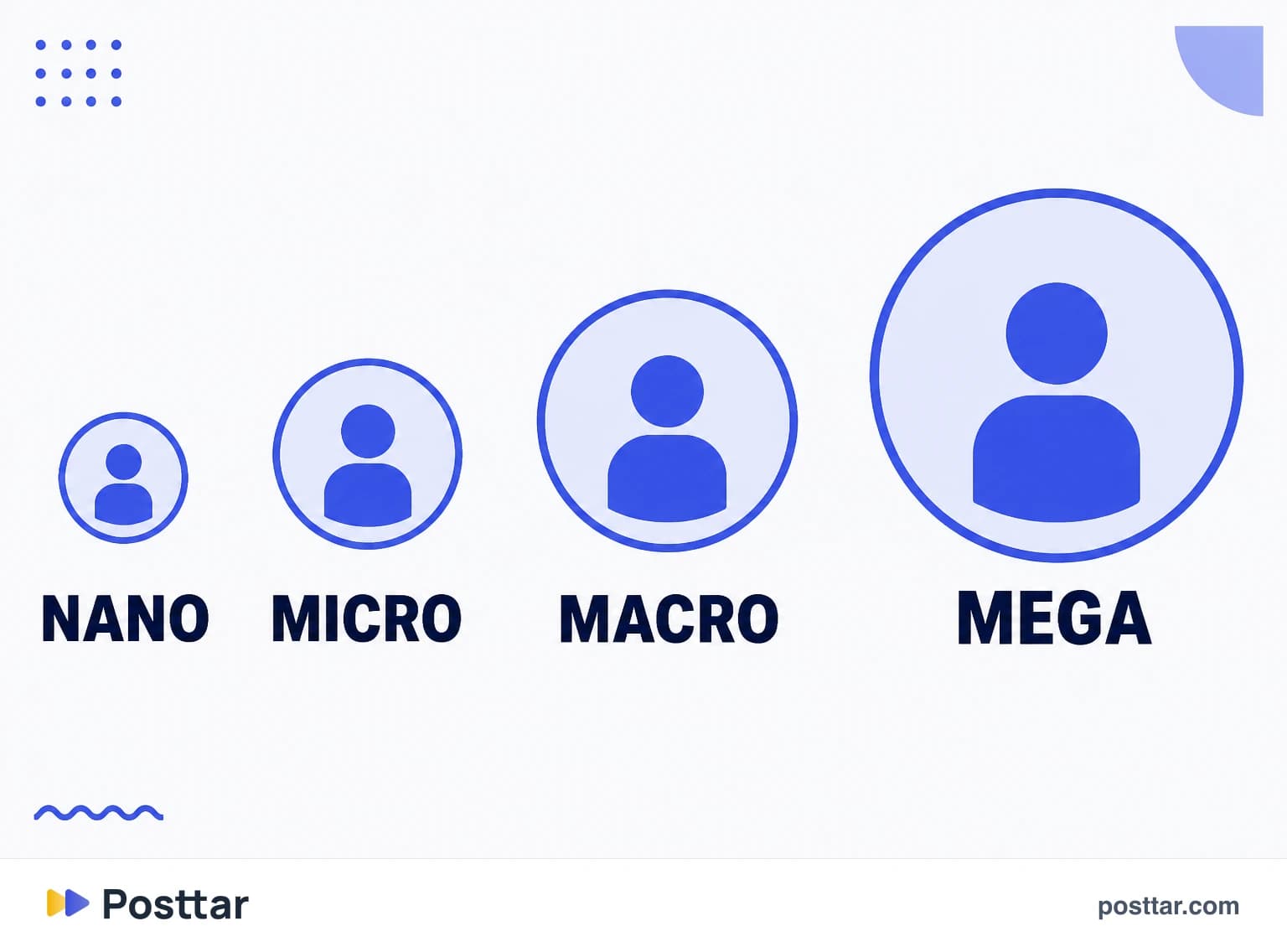
The size division is a market convention, not an official rule, and the boundaries vary between agencies. The most used version:
- Nano. Up to around ten thousand followers.
- Micro. Roughly ten thousand to one hundred thousand.
- Macro. One hundred thousand to a million.
- Mega or celebrity. Above a million.
The real use of that scale is budgetary: it gives brands a cost reference. What it does not do is measure influence, and confusing the two is the mistake that makes expensive campaigns return little.
Why the number matters less than it seems
Three concrete reasons.
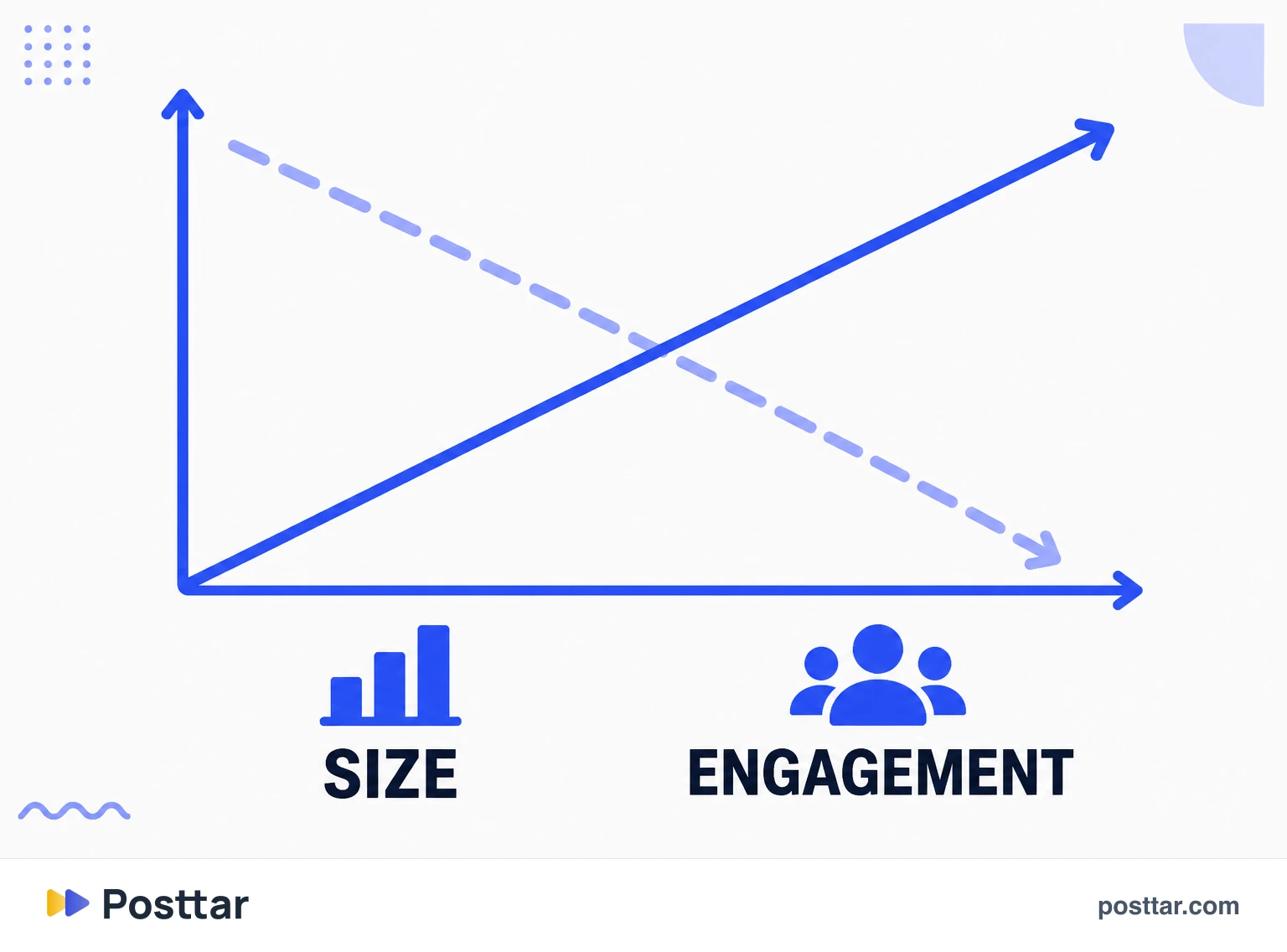
Size and engagement run inverse. Smaller accounts usually have higher interaction rates, because the audience is closer and more specifically interested.
Generic audiences do not convert. A million followers with diffuse interests is worth less, for a specific product, than five thousand people in that product's exact niche.
Trust does not scale alongside. The more an account grows, the more advertising it does, and the more the audience discounts what it recommends.
Which is why campaigns with many small creators frequently outperform a campaign with one large one at the same budget.
How many followers you need
It is the most searched question, and the honest answer is: there is no minimum.
What exists are practical requirements by type of work. Gifted collaborations and UGC depend on no audience at all, because in the second case the client buys the content rather than the distribution. Paid advertising with distribution usually starts happening in the nano tier, with a defined niche.
What brands actually look at before the number: whether the audience is their public, the engagement rate, whether there are fake followers, and whether the content history fits the brand.
An account of three thousand people in the right niche, with real engagement, is commercially more interesting than a diffuse fifty thousand.
What the activity requires
Worth naming the obligations, because they tend to be discovered late.
- Disclosing advertising. Whenever there is compensation, including gifted product. The paid partnership label is the native way of doing it.
- Responsibility for what you recommend. In several countries, whoever promotes shares liability with the advertiser for misleading advertising.
- Formalisation. Being paid for promotion is professional activity revenue, with tax implications that vary by country.
Check the rules in your own country, because consumer protection bodies and advertising self regulation organisations hold their own positions on how disclosure must look.
Checklist
- I know follower tiers measure size, not influence.
- My audience sits in a defined niche rather than being diffuse.
- I disclose advertising whenever there is compensation.
- I know my real engagement rate.
- I do not wait for a minimum number to start being paid.
Frequently asked questions
What exactly does an influencer do?
They move other people's decisions within a subject, whether about purchases, opinions or behaviour. Commercially, that means producing content that carries a brand's message with the credibility of someone the audience already follows.
How many followers do you need to be a paid influencer?
There is no minimum. Gifted collaborations and UGC depend on no audience, and paid advertising usually starts in the nano tier with a defined niche. Brands look first at whether the audience is theirs and at the real engagement rate.
What are the types of influencer?
The most used market division is nano, up to around ten thousand followers; micro, from ten thousand to a hundred thousand; macro, from a hundred thousand to a million; and mega or celebrity, above a million. Boundaries vary between agencies.
Do influencers get paid?
Yes, though amounts vary enormously by niche, format and deliverable, and no reliable rate table exists. Audiences in a defined niche tend to command more per follower than large diffuse ones, because they convert better.
Do influencers have to disclose advertising?
Yes, whenever there is compensation, including gifted product. The paid partnership label is the native way of doing it. Requirements and disclosure formats vary by jurisdiction, so the rules of your own country apply.
Related concepts

Micro-influencer
A micro-influencer is the audience tier between roughly ten thousand and one hundred thousand followers. It became the market default for an economic rather than aesthetic reason: at that size an account already has meaningful reach while still holding high engagement and credibility, which produces the best cost per result on the scale. The boundaries vary between agencies, and the tier is a convention rather than a rule.
Read the entry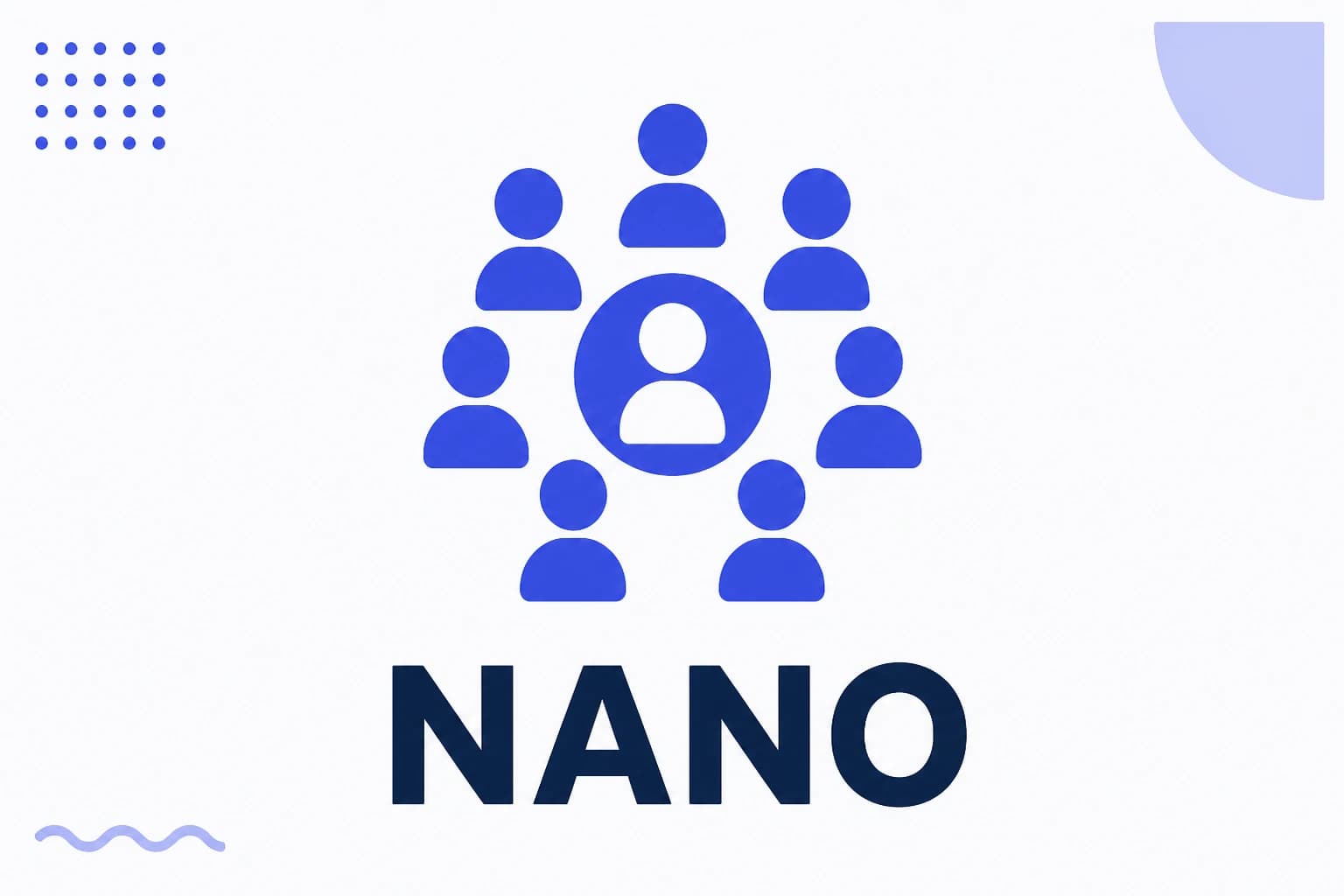
Nano-influencer
A nano-influencer has up to around ten thousand followers. It is the smallest tier on the scale and usually the one with the highest engagement rate, because the audience is genuinely close: in many cases, the followers know the person. That makes a recommendation feel more like advice from a friend than advertising, and that is precisely the asset this tier sells.
Read the entry
Sponsored post
A sponsored post is a publication a creator is paid to make for a brand, talking about a product on their own profile. It is different from a boosted post, which is a brand paying to distribute its own publication, and that confusion shows up constantly. Sponsored posts require disclosure, and the native label is the way to do it.
Read the entry
Creator economy
Creator economy is the name given to the set of people monetising their own audience and to the infrastructure making it possible: platforms, tools, intermediaries and brands. The change it represents is one of access rather than existence: people have always lived from audiences, but distribution stopped requiring a media company in the middle.
Read the entry