UGC: the creator who sells content, not audience, and why followers are not required

By Tiago Costa·Updated on August 5, 2026
Definition
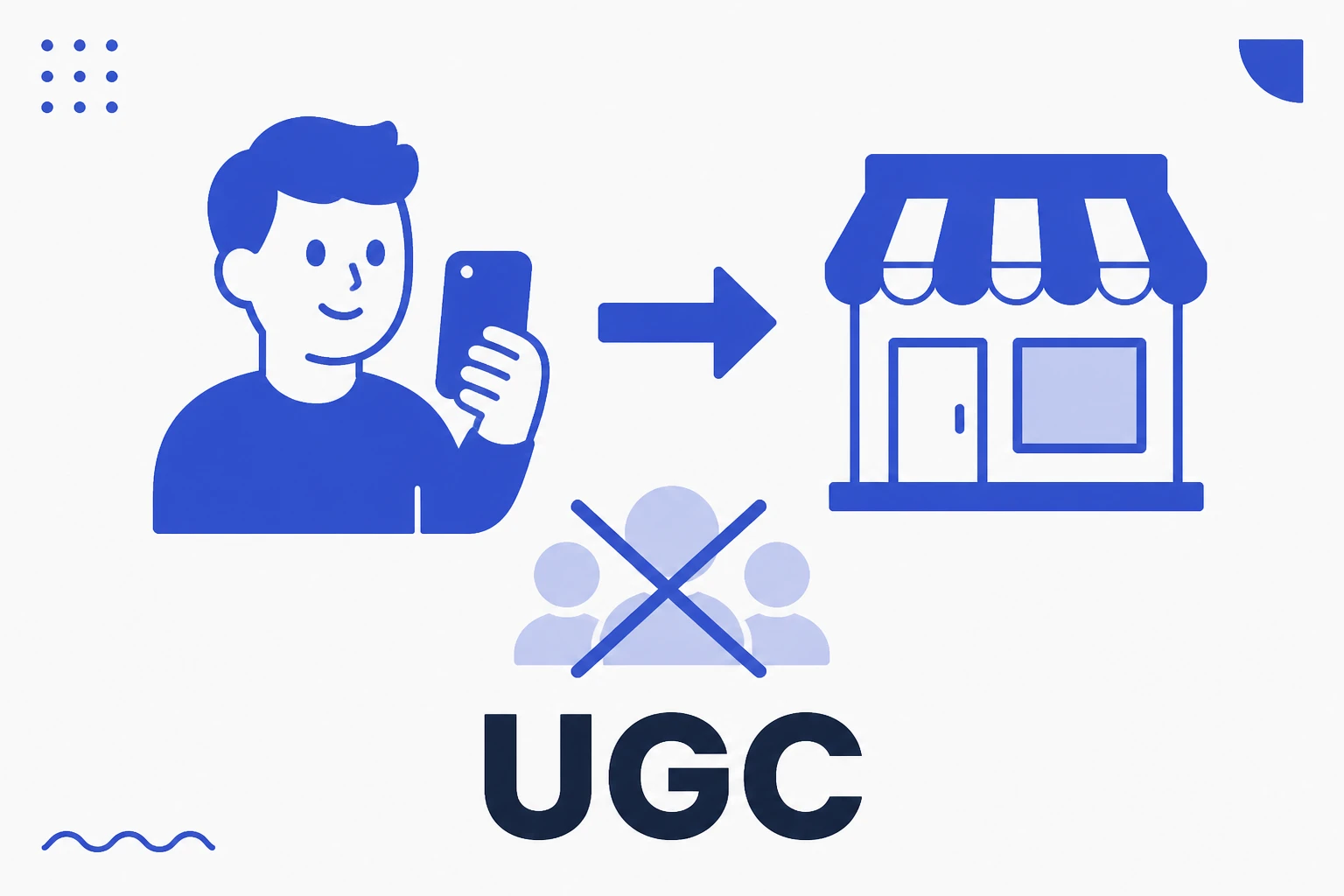
UGC is content produced for a brand to use on its own channels.
- The brand buys the content, not your audience.
- No followers required, and that is the main difference.
- It works because it looks real, not like an advert.
- Usage rights are the item that sets the price.
How the term changed meaning
Originally, UGC meant any content spontaneously created by users: a customer photo with the product, a review, an unsolicited video. Spontaneous and unpaid.
The market turned that into a profession. Today, when someone says they are a UGC creator, they mean they produce content on commission, styled to look spontaneous, for a brand to use as its own material.
That shift in meaning causes real confusion, and clarity helps: commissioned UGC is not spontaneous, it merely imitates the aesthetic of spontaneity. That is what makes it effective in ads, and it is what demands care with disclosure when it appears as though it were independent opinion.
Why followers are not required
This is the information that most changes things for beginners, and it is frequently misunderstood.
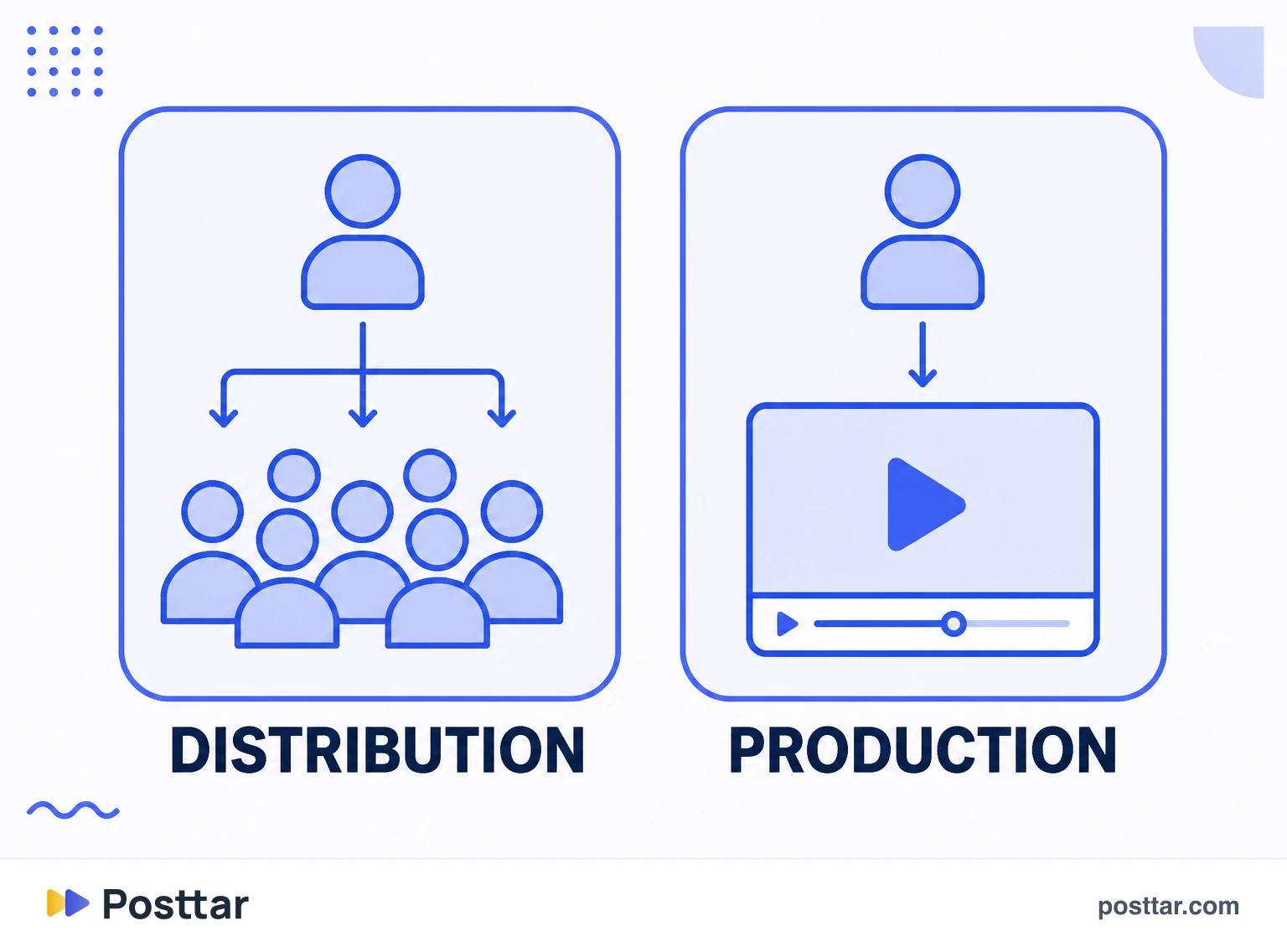
An influencer sells distribution: the brand pays to access their audience. With no audience, there is nothing to sell.
A UGC creator sells production: the brand pays for a well made video, which it will distribute with its own money in ads. The creator's audience is irrelevant to that transaction.
Which is why people with three hundred followers work consistently in UGC. What matters there is knowing how to film, how to script and how to deliver on time, which are production skills rather than audience ones.
Why brands buy it
The reason is paid media performance, and it is well documented in the industry.
An advert that looks like an advert gets ignored. People recognise the format in half a second and scroll. A video that looks like a real person talking about a product in their kitchen passes that filter, because it does not trigger the defence.
Add two operational advantages: producing ten UGC variations costs a fraction of a traditional advertising production, and creative volume is exactly what paid media campaigns consume to avoid saturation.
The ethical tension is worth recording: when UGC runs as an advert, it is advertising and has to be identifiable as such. The problem is not the aesthetic, it is paid content presenting itself as independent opinion.
How to start and how to price
To start: pick a category, produce three portfolio pieces using products you already have at home, and send them to small brands in the niche. Nobody hires without seeing a sample, and the sample does not have to have been paid for.
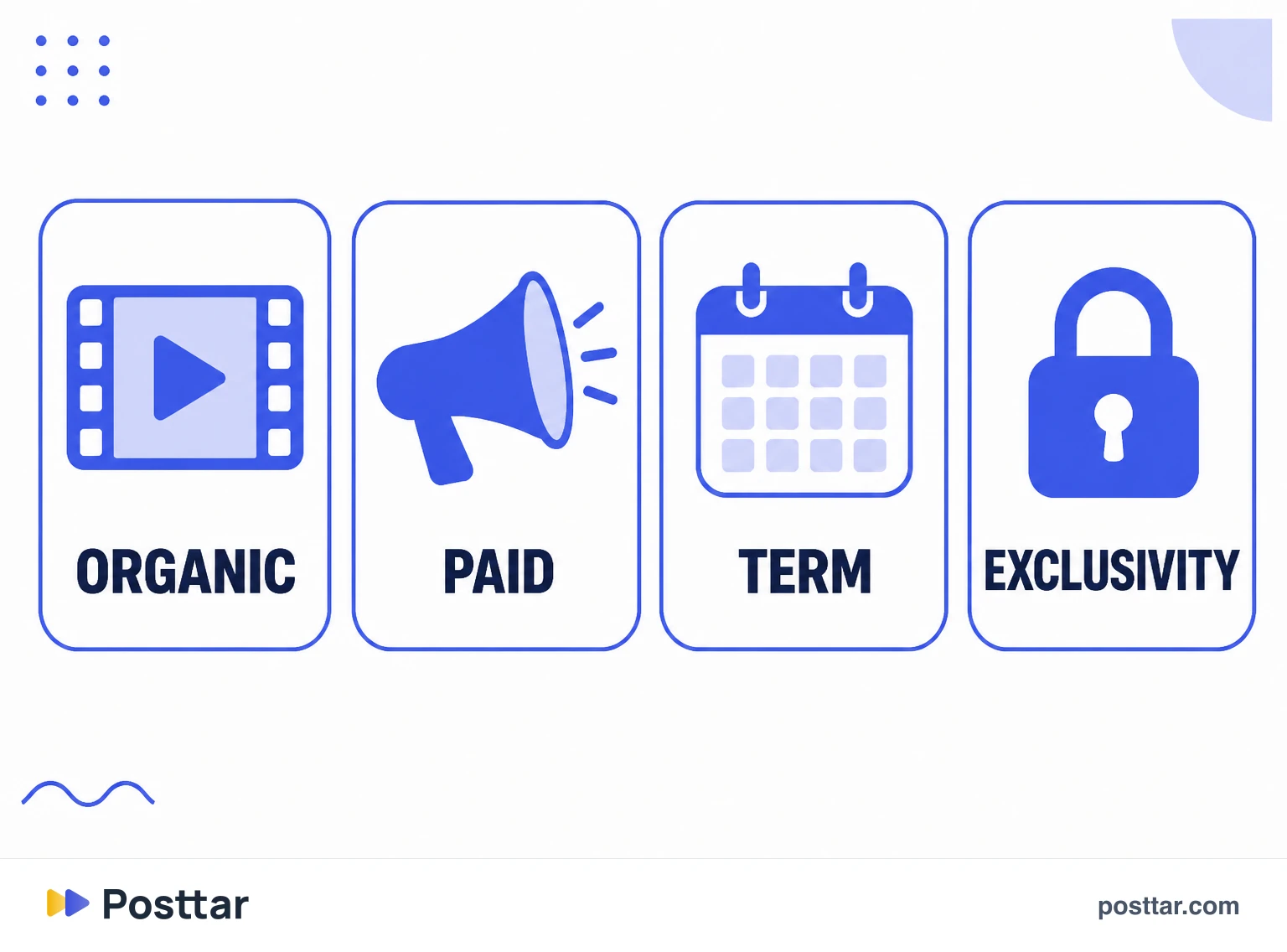
On pricing, the item that most defines value is not video length, it is usage rights. Always separate:
- Organic use. The brand posts on its own channels.
- Paid use. The brand puts money behind it. It costs more.
- Term and exclusivity. Perpetual use and category exclusivity are the items that raise price most, and the ones beginners forget most.
Pricing without defining that means handing over unlimited rights for the price of one video.
Checklist
- I know I sell production, not audience.
- I have a portfolio, even without paid work yet.
- I separate organic use from paid use in the quote.
- I define term and exclusivity in writing.
- When the content is advertising, it is identifiable as such.
Frequently asked questions
What is UGC and how does it work?
UGC stands for user generated content. In the current market it means producing videos on commission for a brand to use on its own channels and in ads, styled to look like a real person rather than an advert.
Do UGC creators get paid?
Yes. Commissioned UGC is production work and is charged as such. What most defines the price is not video length but usage rights: organic use, paid use, term and exclusivity.
Can you do UGC with no followers?
Yes. Since the brand buys production rather than distribution, the creator's audience is irrelevant to the transaction. People with a few hundred followers work consistently in UGC.
How do I become a UGC creator?
Learn to film, script and deliver on time, then build a portfolio of three to five pieces using products you already own. Nobody hires without seeing a sample, and the sample does not need to have been a paid job.
What is the difference between UGC and influencer marketing?
What is being sold. An influencer sells distribution, meaning access to their audience. A UGC creator sells production, meaning the content itself, which the brand distributes with its own budget.
Related concepts
Influencer
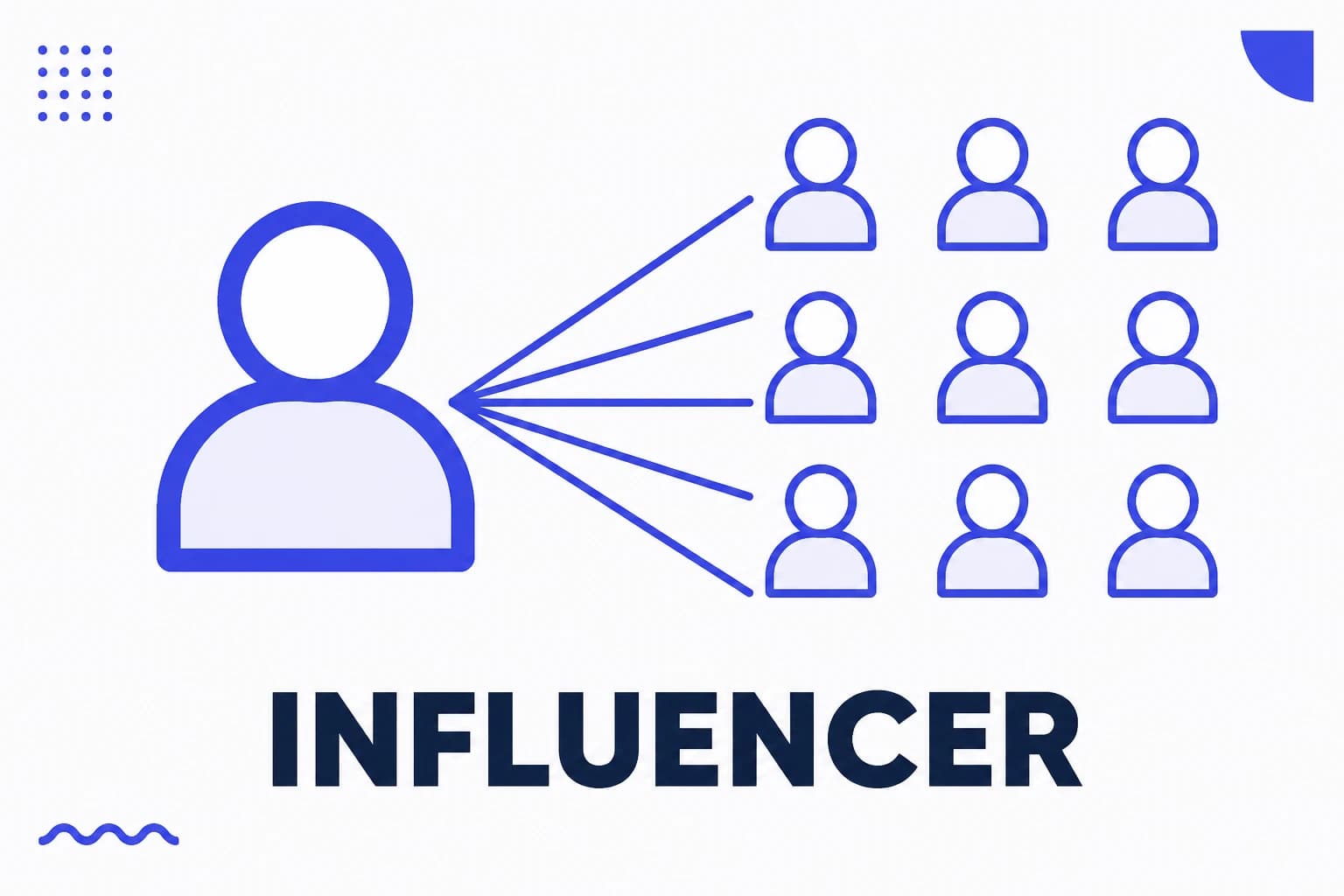
An influencer is someone able to move other people's decisions within a subject, whether about purchases, opinions or behaviour. The market organises the category into follower tiers, and that division is useful for budgeting, but it describes audience size rather than influence. There are million follower accounts that sell nothing and five thousand follower accounts that clear stock.
Read the entry
Nano-influencer
A nano-influencer has up to around ten thousand followers. It is the smallest tier on the scale and usually the one with the highest engagement rate, because the audience is genuinely close: in many cases, the followers know the person. That makes a recommendation feel more like advice from a friend than advertising, and that is precisely the asset this tier sells.
Read the entry
Gifted collaboration
A gifted collaboration is an arrangement where the creator receives a product or service instead of money for promotion. It is the most common entry point into influencer work, and it makes sense in specific situations: when the product has real value to you and the requested work is small. It stops making sense the moment a brand starts asking for production deliverables, because then it is commissioning work.
Read the entry
Paid partnership
Paid partnership is Instagram's official label identifying content as advertising, showing "Paid partnership with" and the brand name below the publisher's name. It satisfies the legal duty to disclose advertising, gives the brand access to that post's metrics, and is what allows the creator's post to be turned into a paid ad running from the creator's own profile.
Read the entry