Nano-influencer: the smallest tier, and the one with the highest engagement rate

By Tiago Costa·Updated on August 5, 2026
Definition
A nano-influencer has up to around ten thousand followers.
- The highest engagement rate on the whole scale.
- Recommendations feel like advice, not advertising.
- It does get paid, though gifting is more common here.
- It scales through volume, with dozens of creators per campaign.
Why this tier engages more
The reason is structural and worth understanding, because it explains everything else.
In a small account, a good share of followers has a real relationship with the person: friends, colleagues, people from the same circle. That produces two effects.
Interaction is higher, because people respond to those they know.
Recommendations weigh more, because they arrive with the credit of a personal relationship rather than a brand's. A tip from someone you actually know is not comparable to an advert.
The trade off is reach: that same closeness limits how far the content travels outside the circle.
Do nano-influencers get paid?
It is the tier's most searched question, and the answer is yes, with a caveat.
Paid work exists at this level and has grown considerably. What is also true is that gifting is more common here than in other tiers: many brands offer product instead of money for nano.
Both sides of that negotiation are worth knowing. Gifting makes sense when the product has real value to you and the requested work is small. It stops making sense when the brand asks for an approved script, a defined deadline and content usage rights in ads, because at that point they are commissioning production, and production gets paid.
A route many take: accepting gifting early, to build a portfolio, and moving to fees once there are cases to show.
How brands work with this tier
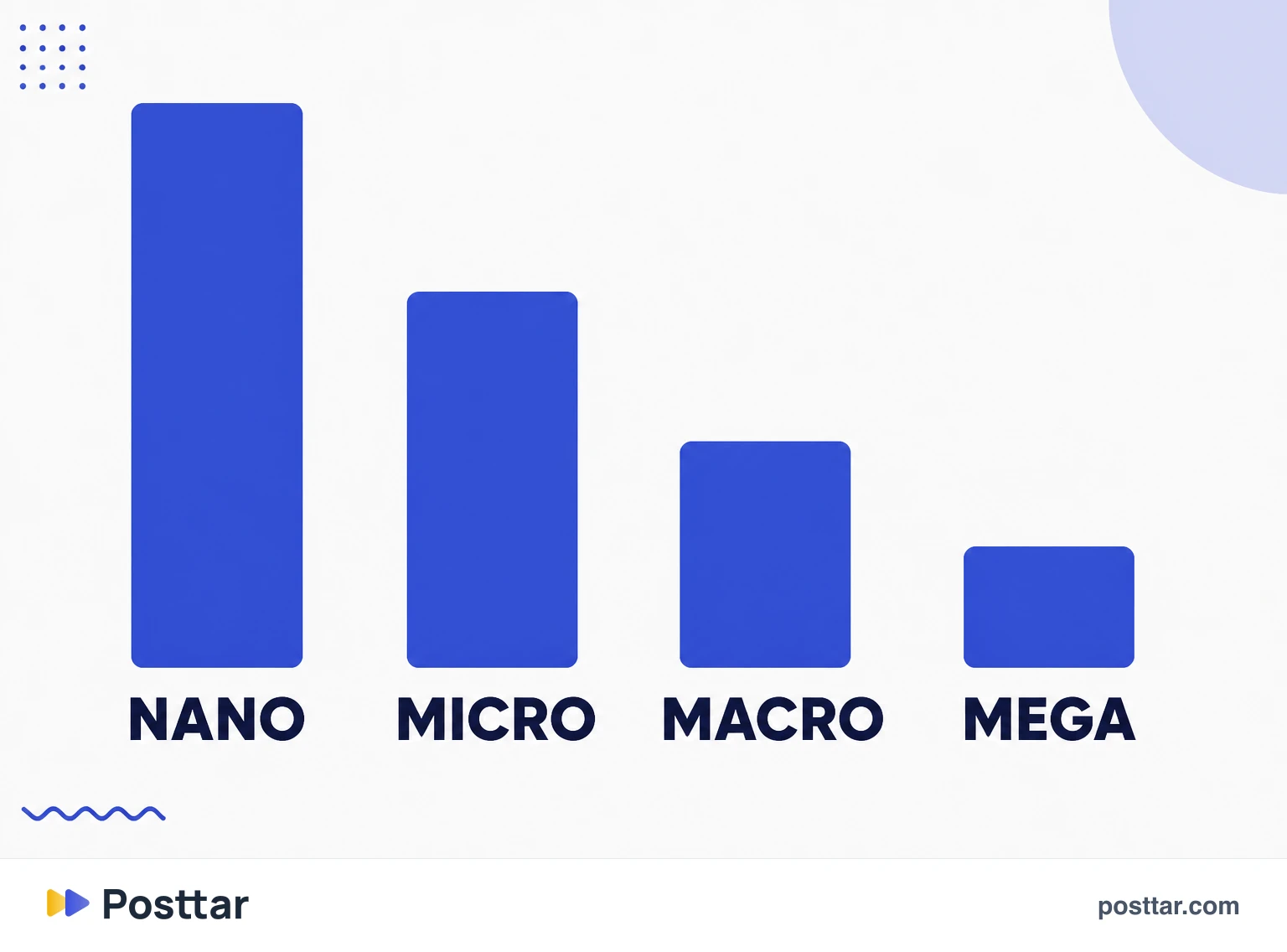
The logic is about volume rather than individual pieces.
A brand does not hire one nano, it hires thirty. The goal is distributed presence: dozens of real voices talking about the product in different circles at once, which produces a sense of adoption hard to buy with one large creator.
That changes what is asked for. In nano campaigns the content is usually simpler, with lower production demands, and the value sits in authenticity and in the number of circles reached.
There is also a growing use for UGC: brands hire nano creators to produce content they will use on their own channels and in ads, without depending on their distribution.
How to start here
- Choose a narrow niche. A generic nano has no reason to be hired; a specific one does.
- Tag the brands you already use. The most direct way of appearing to them.
- Mind your engagement rate. It is your main argument, and it needs to be visible.
- Build a simple media kit. Almost nobody at this level has one, which makes those who do look more professional.
- Do not buy followers. It destroys exactly the metric that supports your value.
Checklist
- My niche is narrow and recognisable.
- I know my real engagement rate.
- I know when gifting makes sense and when it does not.
- I have a simple media kit ready.
- I have not bought followers or engagement.
Frequently asked questions
What is a nano-influencer?
Someone with up to around ten thousand followers. It is the smallest tier and usually the one with the highest engagement rate, because the audience is genuinely close and recommendations carry the credit of a personal relationship.
How many followers do you need to be a nano-influencer?
Up to around ten thousand, though the boundary varies between agencies. Above that the market usually says micro-influencer. The tier is a market convention rather than an official platform definition.
Do nano influencers get paid?
Yes, and paid work at this level has grown considerably. It is also true that gifting is more common here than in larger tiers, with brands offering product instead of money.
What is the difference between nano and micro-influencer?
Audience size: nano runs up to around ten thousand followers and micro from there to a hundred thousand. Nano compensates for lower reach with higher engagement and genuine closeness to its followers.
How do you get campaigns as a nano-influencer?
Choose a narrow niche, tag the brands you genuinely use, keep a healthy engagement rate and build a simple media kit. Almost nobody at this level has a media kit, which makes those who do stand out.
Related concepts
Influencer
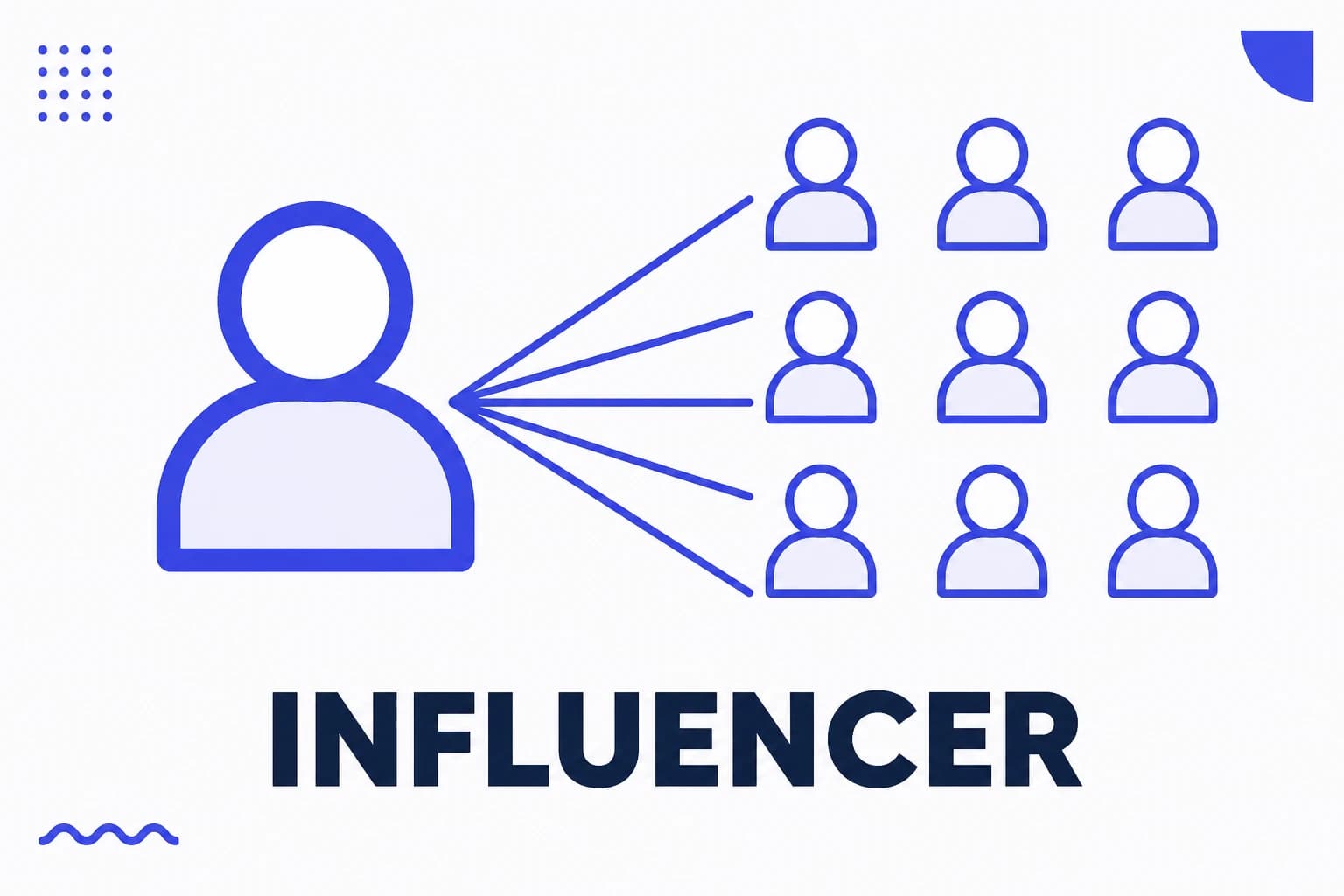
An influencer is someone able to move other people's decisions within a subject, whether about purchases, opinions or behaviour. The market organises the category into follower tiers, and that division is useful for budgeting, but it describes audience size rather than influence. There are million follower accounts that sell nothing and five thousand follower accounts that clear stock.
Read the entry
Micro-influencer
A micro-influencer is the audience tier between roughly ten thousand and one hundred thousand followers. It became the market default for an economic rather than aesthetic reason: at that size an account already has meaningful reach while still holding high engagement and credibility, which produces the best cost per result on the scale. The boundaries vary between agencies, and the tier is a convention rather than a rule.
Read the entry
Gifted collaboration
A gifted collaboration is an arrangement where the creator receives a product or service instead of money for promotion. It is the most common entry point into influencer work, and it makes sense in specific situations: when the product has real value to you and the requested work is small. It stops making sense the moment a brand starts asking for production deliverables, because then it is commissioning work.
Read the entry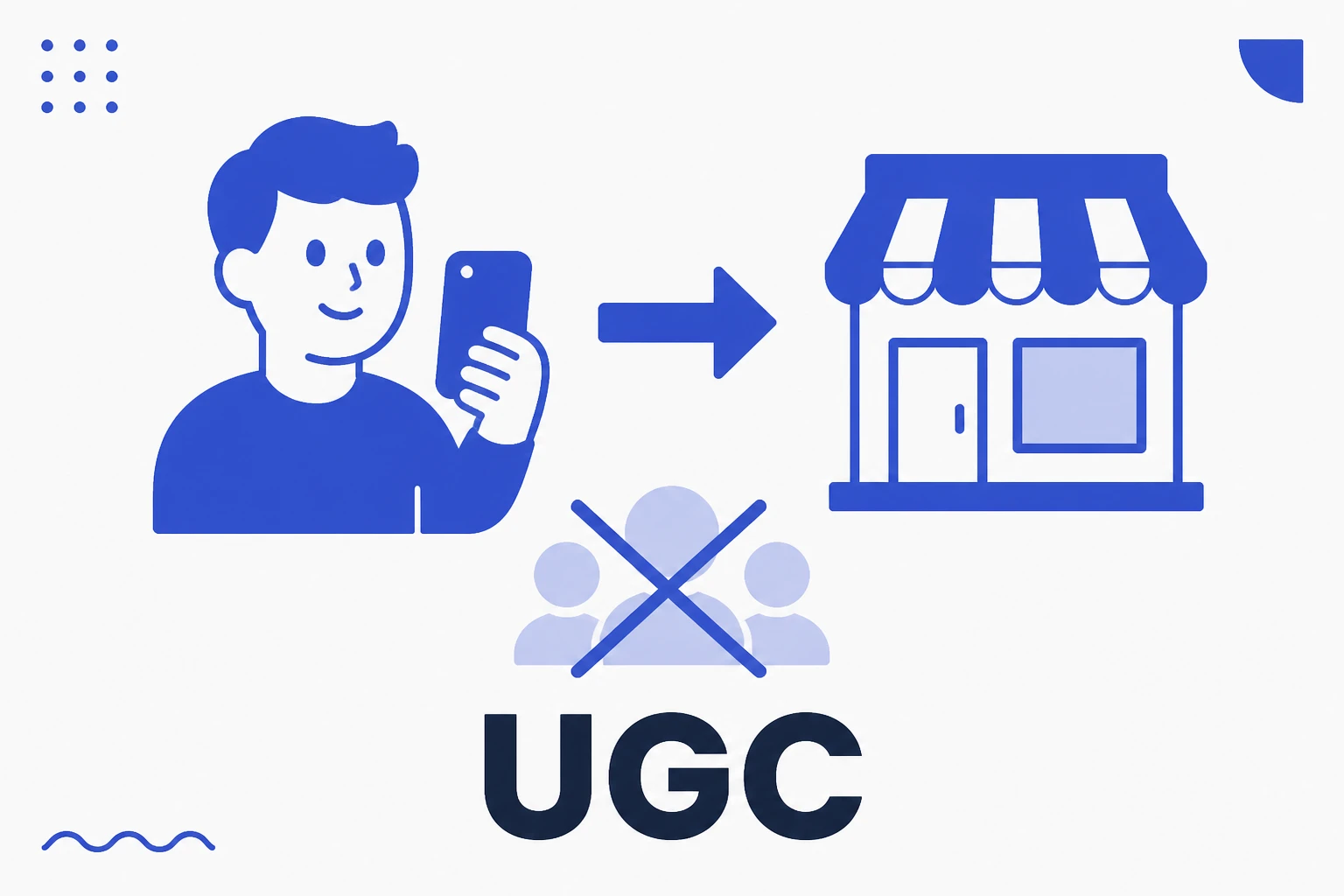
UGC
UGC stands for user generated content. In today's market the term designates a specific activity: producing content that looks like a real person for a brand to use on its own channels and in ads. The crucial difference from influencer advertising is what is being sold: in UGC the brand buys the content rather than the distribution, which is why the activity requires no audience.
Read the entry