Creators and partnerships
The market around the people who create: influence tiers, paid partnership formats, user-generated content and the rights that belong in the contract.
8 terms
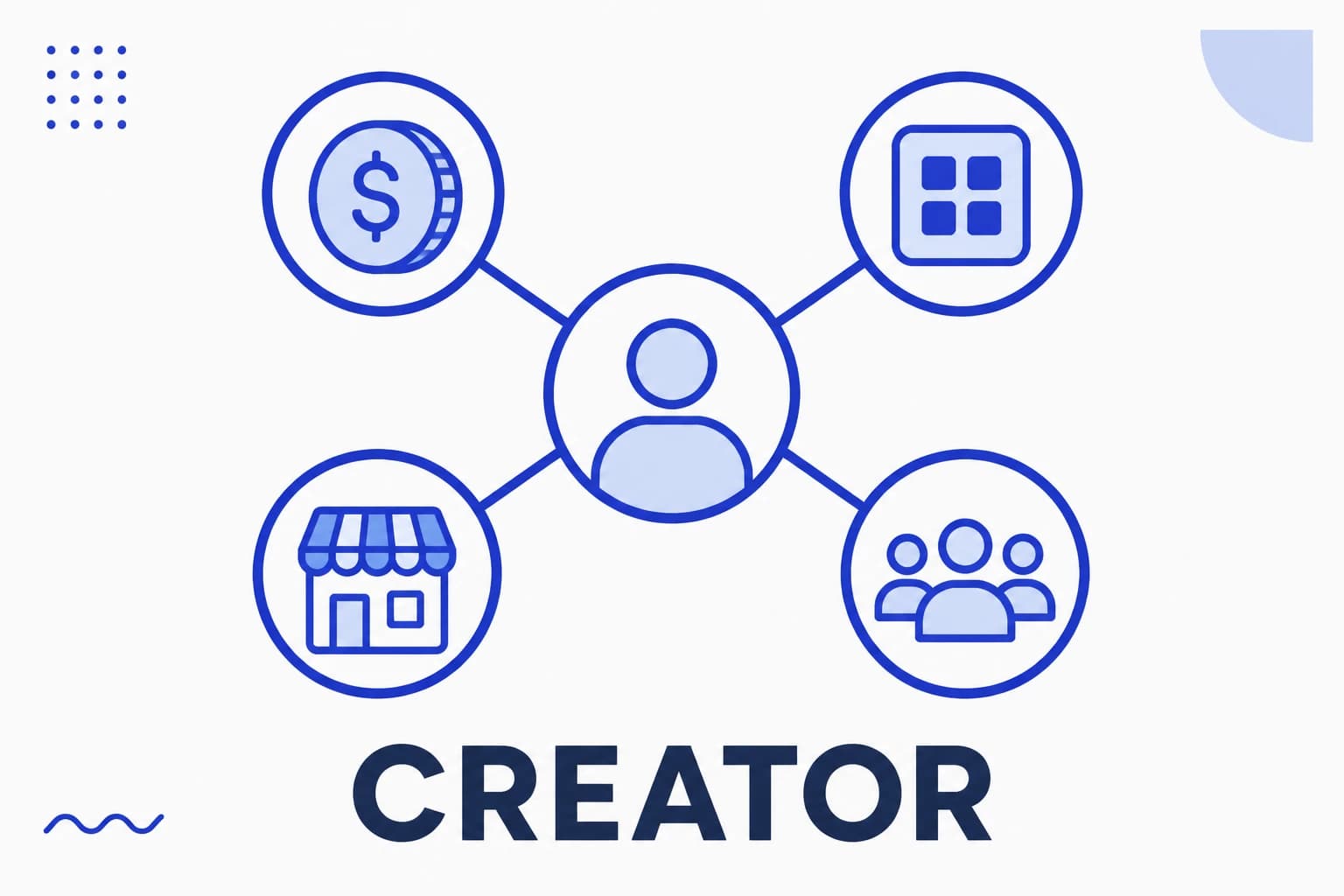
Creator economy
Creator economy is the name given to the set of people monetising their own audience and to the infrastructure making it possible: platforms, tools, intermediaries and brands. The change it represents is one of access rather than existence: people have always lived from audiences, but distribution stopped requiring a media company in the middle.
Read the entry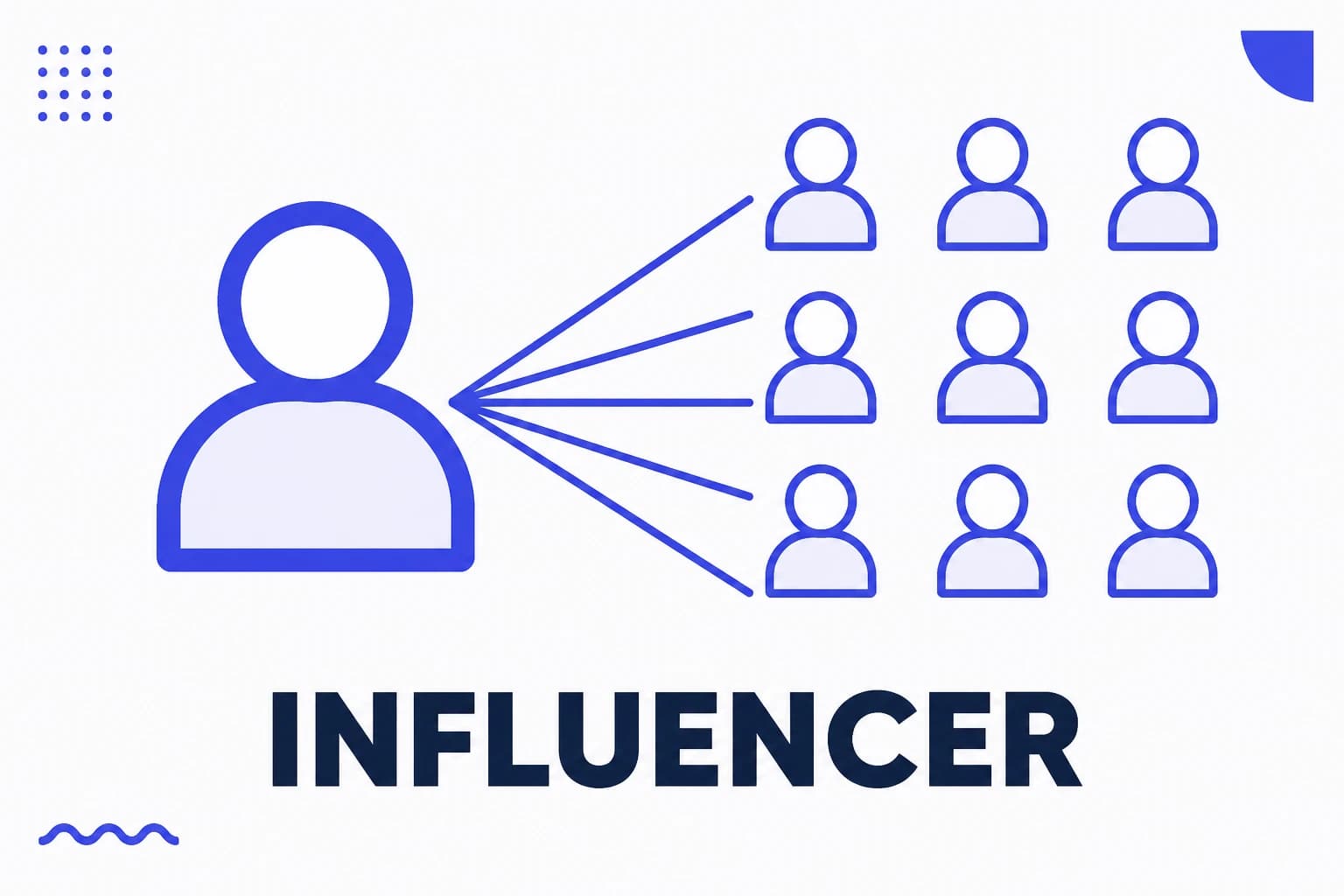
Influencer
An influencer is someone able to move other people's decisions within a subject, whether about purchases, opinions or behaviour. The market organises the category into follower tiers, and that division is useful for budgeting, but it describes audience size rather than influence. There are million follower accounts that sell nothing and five thousand follower accounts that clear stock.
Read the entry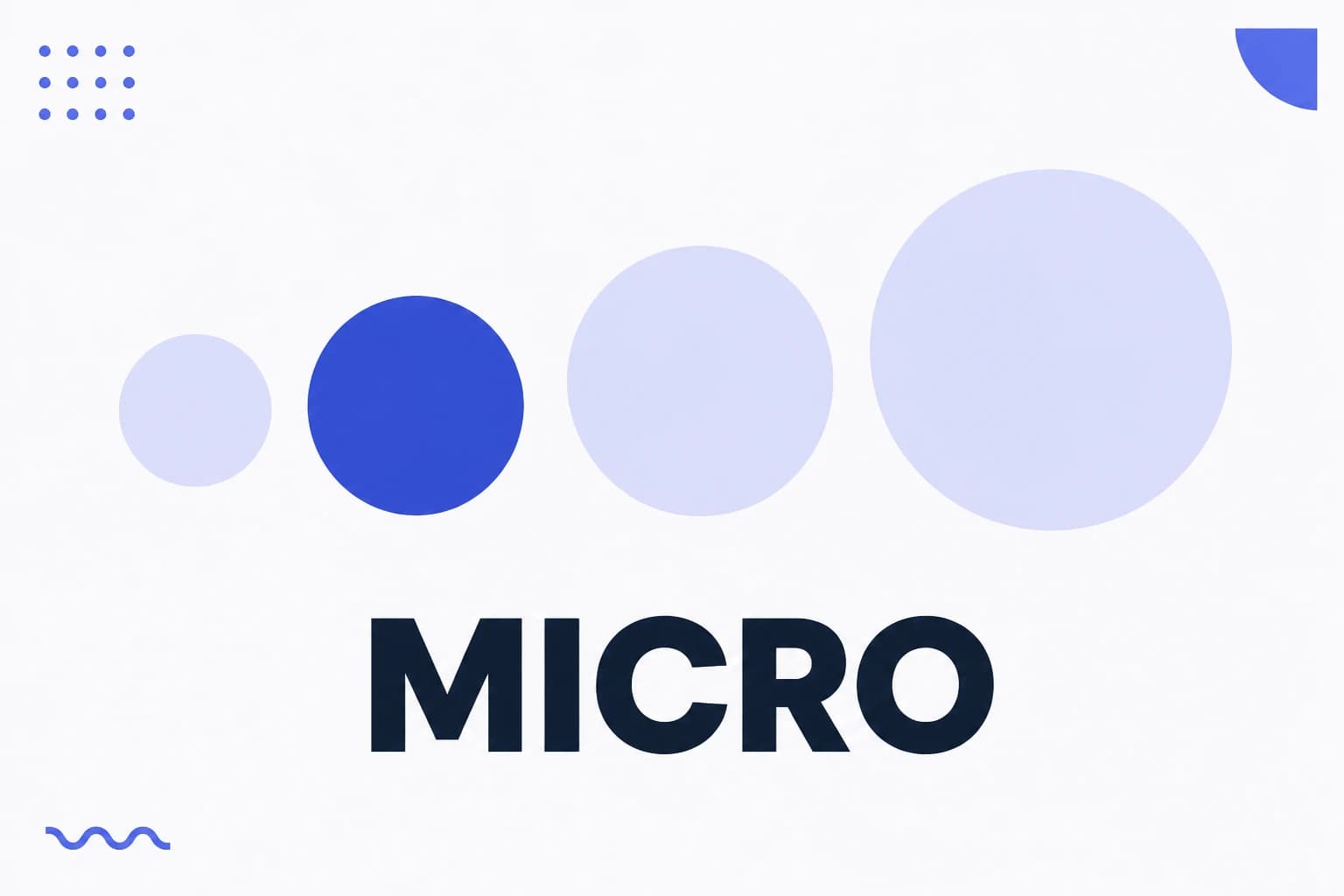
Micro-influencer
A micro-influencer is the audience tier between roughly ten thousand and one hundred thousand followers. It became the market default for an economic rather than aesthetic reason: at that size an account already has meaningful reach while still holding high engagement and credibility, which produces the best cost per result on the scale. The boundaries vary between agencies, and the tier is a convention rather than a rule.
Read the entry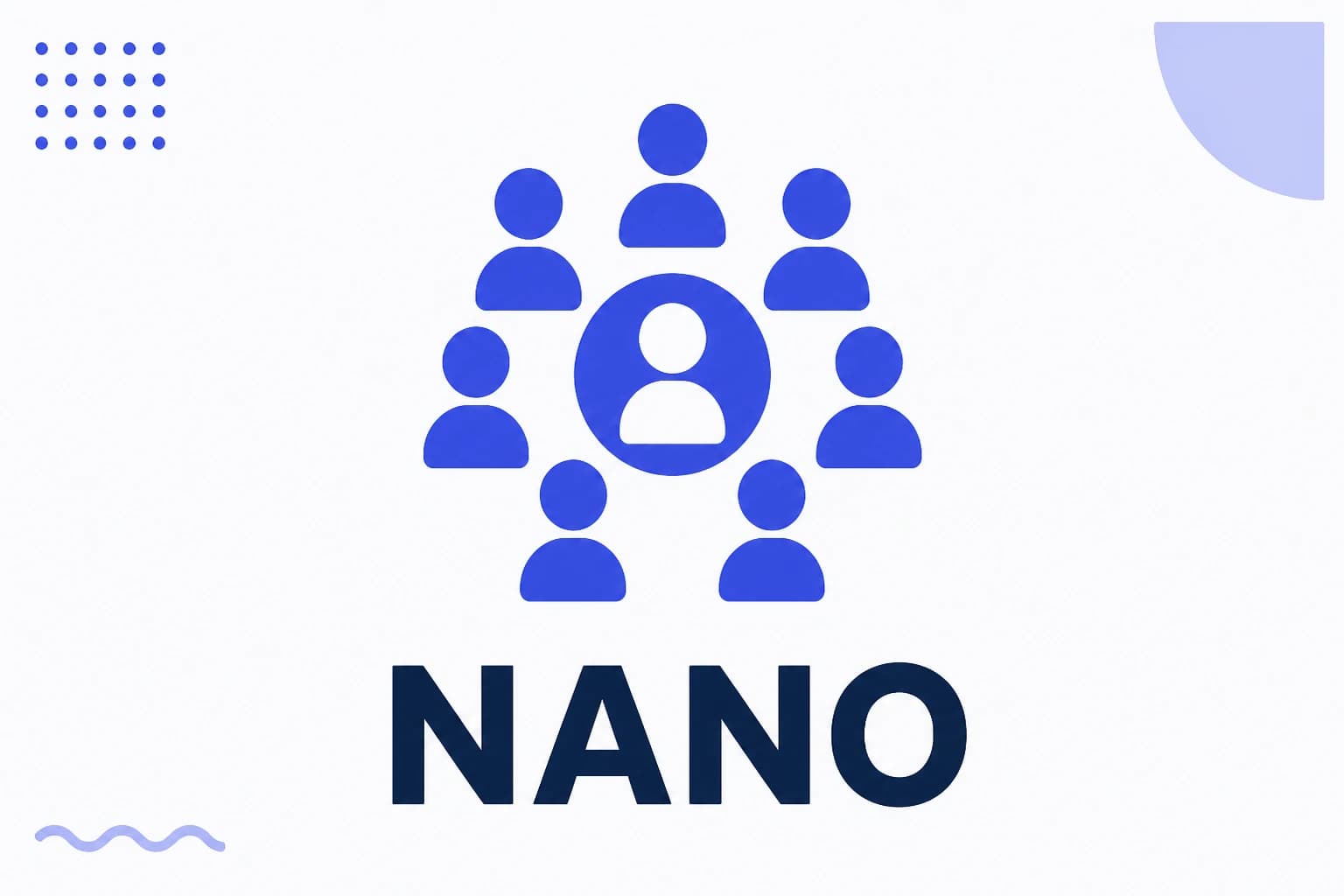
Nano-influencer
A nano-influencer has up to around ten thousand followers. It is the smallest tier on the scale and usually the one with the highest engagement rate, because the audience is genuinely close: in many cases, the followers know the person. That makes a recommendation feel more like advice from a friend than advertising, and that is precisely the asset this tier sells.
Read the entry
Sponsored post
A sponsored post is a publication a creator is paid to make for a brand, talking about a product on their own profile. It is different from a boosted post, which is a brand paying to distribute its own publication, and that confusion shows up constantly. Sponsored posts require disclosure, and the native label is the way to do it.
Read the entry
Media kit
A media kit is the document presenting a creator to brands: who they are, who their audience is, what they deliver and what it costs. It exists to answer in one go the questions a brand would ask by message, and the version that works is not a collection of screenshots with follower counts, it is a short commercial document that makes the hiring decision easier.
Read the entry
Gifted collaboration
A gifted collaboration is an arrangement where the creator receives a product or service instead of money for promotion. It is the most common entry point into influencer work, and it makes sense in specific situations: when the product has real value to you and the requested work is small. It stops making sense the moment a brand starts asking for production deliverables, because then it is commissioning work.
Read the entry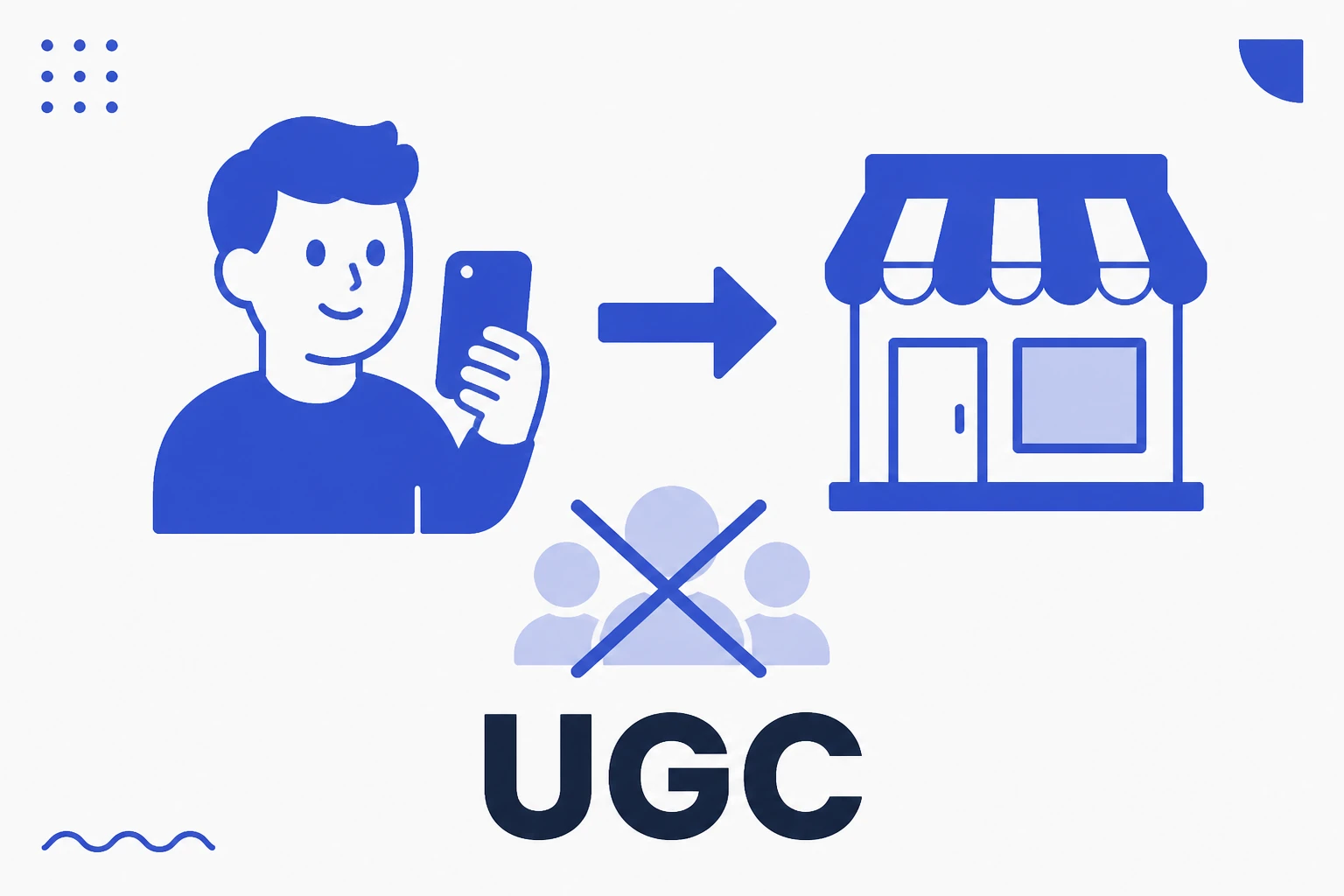
UGC
UGC stands for user generated content. In today's market the term designates a specific activity: producing content that looks like a real person for a brand to use on its own channels and in ads. The crucial difference from influencer advertising is what is being sold: in UGC the brand buys the content rather than the distribution, which is why the activity requires no audience.
Read the entry