B-roll: as imagens de apoio que salvam a retenção, e de onde vem o nome

Por Tiago Costa·Atualizado em 5 de agosto de 2026
Definição
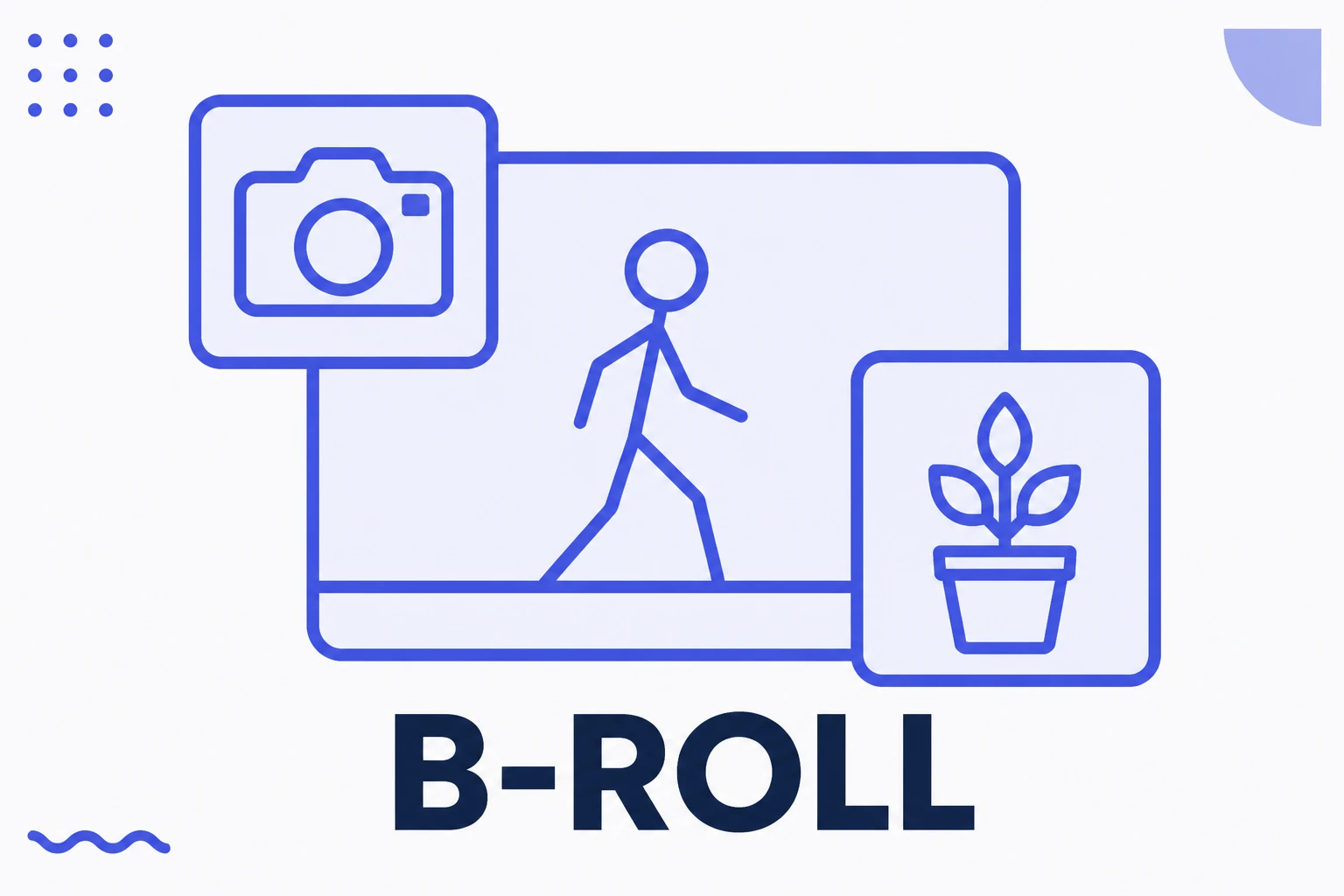
B-roll são as imagens de apoio que cobrem a fala principal.
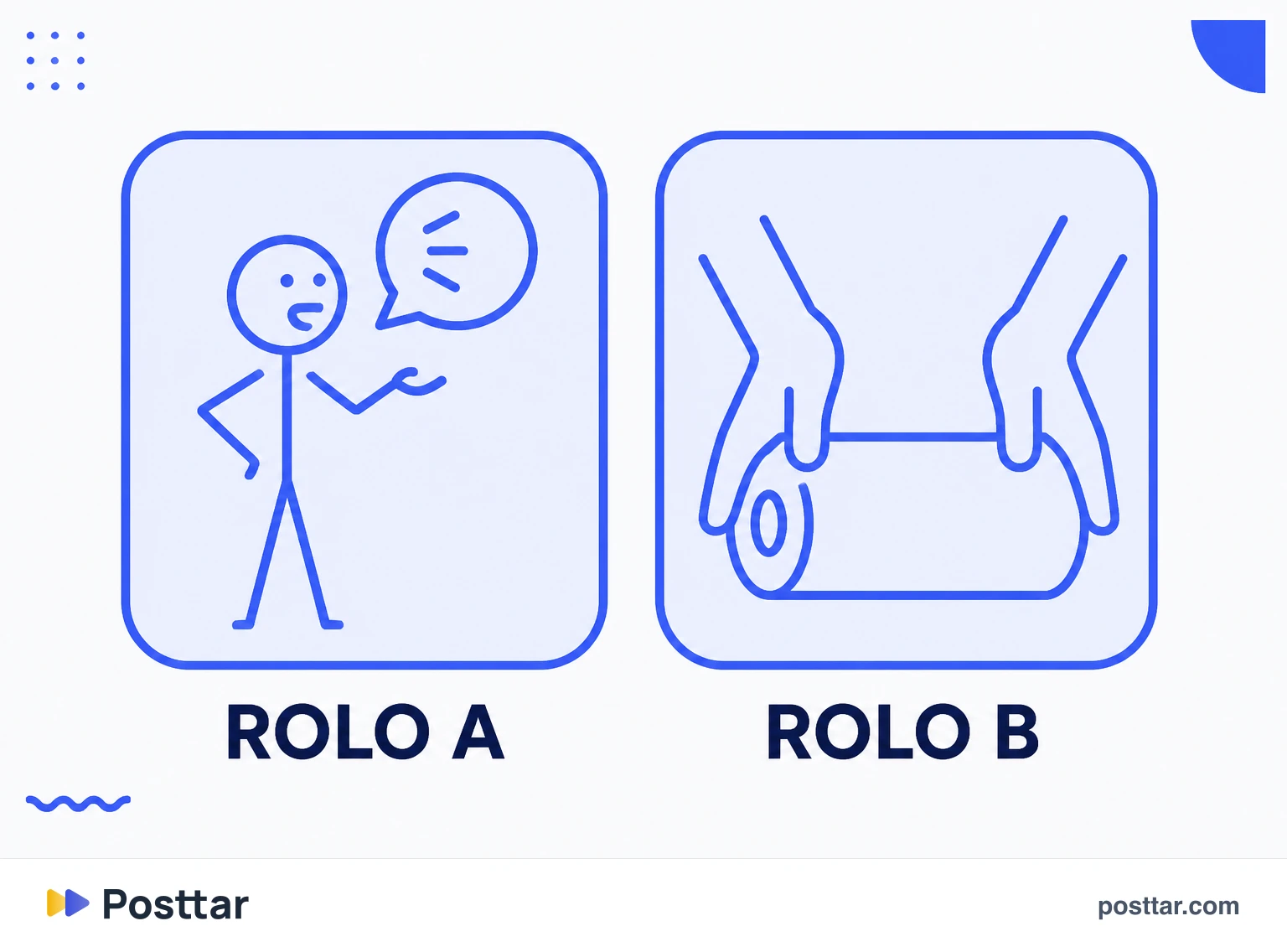
- Rolo A é a cena principal, rolo B é o complemento. Daí o nome.
- Segura a retenção quebrando a monotonia visual.
- Cobre cortes e esconde emendas na fala.
- Grave sempre a mais, porque falta na edição é caro.
De onde vem o nome
Na era da película, uma montagem usava dois rolos de filme rodando em paralelo. O rolo A continha a cena principal, geralmente alguém falando. O rolo B continha o material complementar: paisagens, detalhes, planos de apoio.
O nome sobreviveu à tecnologia. Hoje ninguém usa rolo nenhum, mas a distinção continua exata: o A-roll é o que sustenta a narrativa, o B-roll é o que a ilustra.
Em conteúdo de rede social o A-roll costuma ser um talking head, e o B-roll é tudo que aparece por cima dele.
Por que ele segura a retenção
O motivo é fisiológico antes de ser estético. Uma imagem parada, sem mudança, faz a atenção cair rápido, e no vídeo curto isso é fatal.
O B-roll resolve isso de três formas:
- Renova o estímulo visual. Cada troca de imagem reinicia a atenção.
- Esconde as emendas. Um corte na fala fica evidente no A-roll e invisível quando coberto por B-roll. Isso é o que permite gravar em pedaços e cortar a divagação sem que o vídeo pareça picotado.
- Prova o que está sendo dito. Mostrar é mais forte que afirmar, e uma imagem do resultado vale mais que a descrição dele.
Na prática, é o item de maior retorno por esforço na edição de Reels.
O que filmar
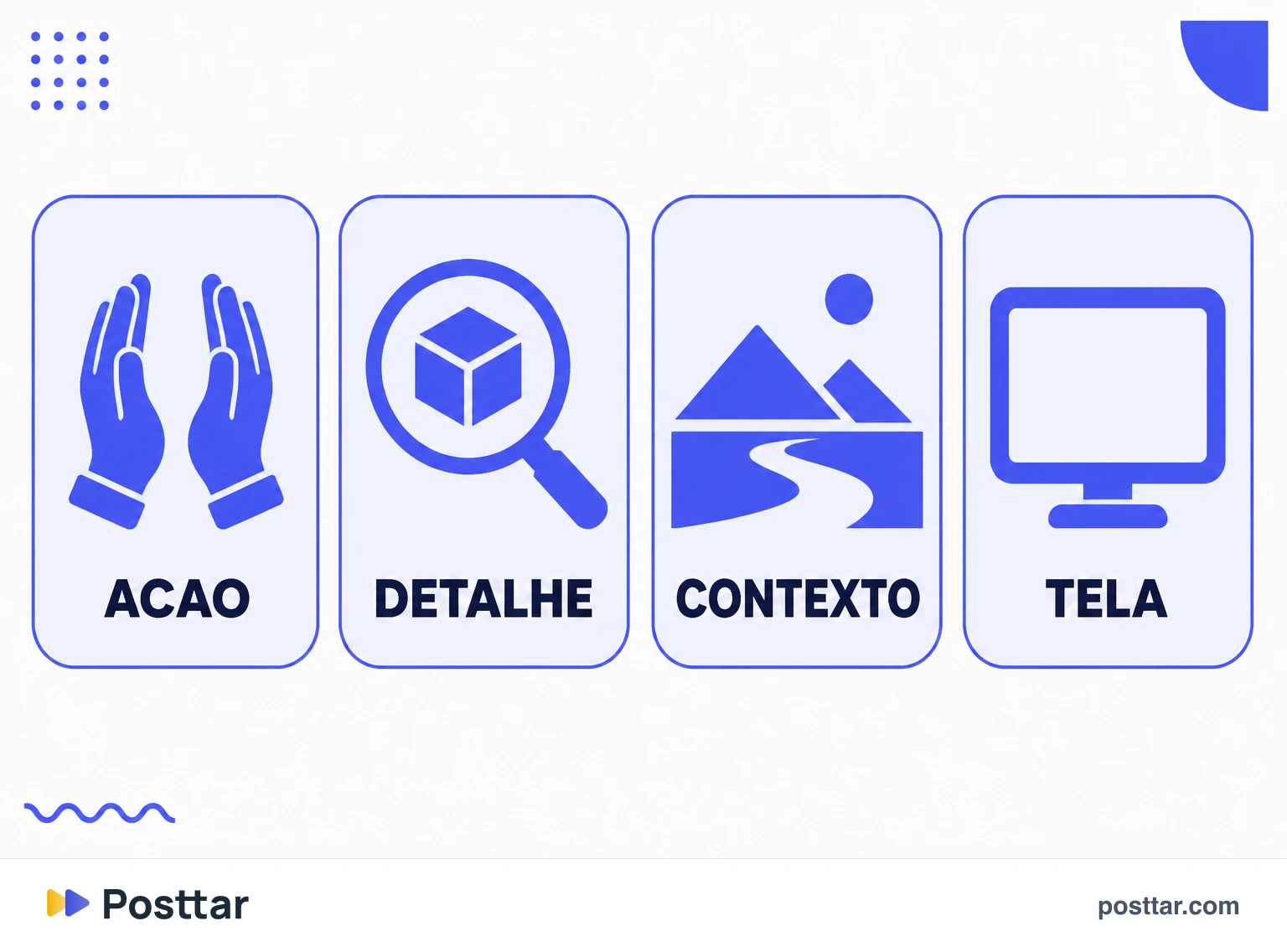
A dúvida mais comum é o que exatamente gravar. Quatro categorias cobrem quase tudo:
- A ação em si. Suas mãos fazendo o que você está descrevendo. É o B-roll mais fácil e o mais convincente.
- O detalhe. Plano fechado no objeto, na tela, no produto.
- O contexto. O ambiente, o caminho, o antes e depois.
- A captura de tela. Em conteúdo digital, gravar a tela é B-roll e quase ninguém trata assim.
Uma regra prática de quantidade: grave de três a cinco segundos por tomada e colete mais tomadas do que acha que vai usar. Sobrar é barato; faltar significa voltar a gravar.
Erros comuns
- B-roll genérico de banco de imagens. A tomada de estoque de gente sorrindo em escritório não ilustra nada e ainda comunica preguiça.
- Trocar imagem rápido demais. Corte a cada meio segundo cansa e impede entender o que está sendo mostrado.
- B-roll que contradiz a fala. Se a imagem mostra uma coisa e o áudio diz outra, a pessoa presta atenção na imagem e perde o argumento.
- Esquecer o áudio ambiente. Cortar o som junto com a imagem produz um salto perceptível. Manter a fala contínua por baixo resolve.
Checklist
- Gravei mais tomadas do que preciso.
- Cada tomada tem de três a cinco segundos.
- O B-roll ilustra o que está sendo dito, não contradiz.
- Uso B-roll para esconder as emendas da fala.
- Não uso imagem de banco genérica.
Perguntas frequentes
O que é B-roll?
É todo material de imagem que não é a fala principal: as tomadas de apoio que aparecem por cima da narração para ilustrar, dar contexto ou quebrar a monotonia visual.
De onde vem o nome B-roll?
Da era do cinema em película, quando uma montagem usava dois rolos em paralelo: o rolo A com a cena principal e o rolo B com o material complementar. A tecnologia mudou, o nome e a distinção ficaram.
Qual é um exemplo de B-roll?
Suas mãos fazendo o que você descreve, um plano fechado no produto, uma imagem do ambiente ou uma captura de tela. Em conteúdo digital, gravar a tela é B-roll e quase ninguém trata dessa forma.
Para que serve o B-roll?
Para segurar a retenção renovando o estímulo visual, esconder as emendas de uma fala gravada em pedaços e provar o que está sendo dito. É o item de maior retorno por esforço na edição de vídeo curto.
Quanto tempo de B-roll devo gravar?
De três a cinco segundos por tomada, e mais tomadas do que você acha que vai usar. Material sobrando é barato; descobrir na edição que falta uma imagem significa voltar a gravar.
Conceitos relacionados

Talking head
Talking head é o formato de vídeo em que alguém fala diretamente para a câmera, enquadrado do peito para cima. É o formato mais antigo e mais simples que existe, e continua sendo o que mais converte em conta profissional, porque é o único em que a audiência vê o rosto, escuta a voz e forma vínculo com uma pessoa em vez de com um perfil.
Ler o verbete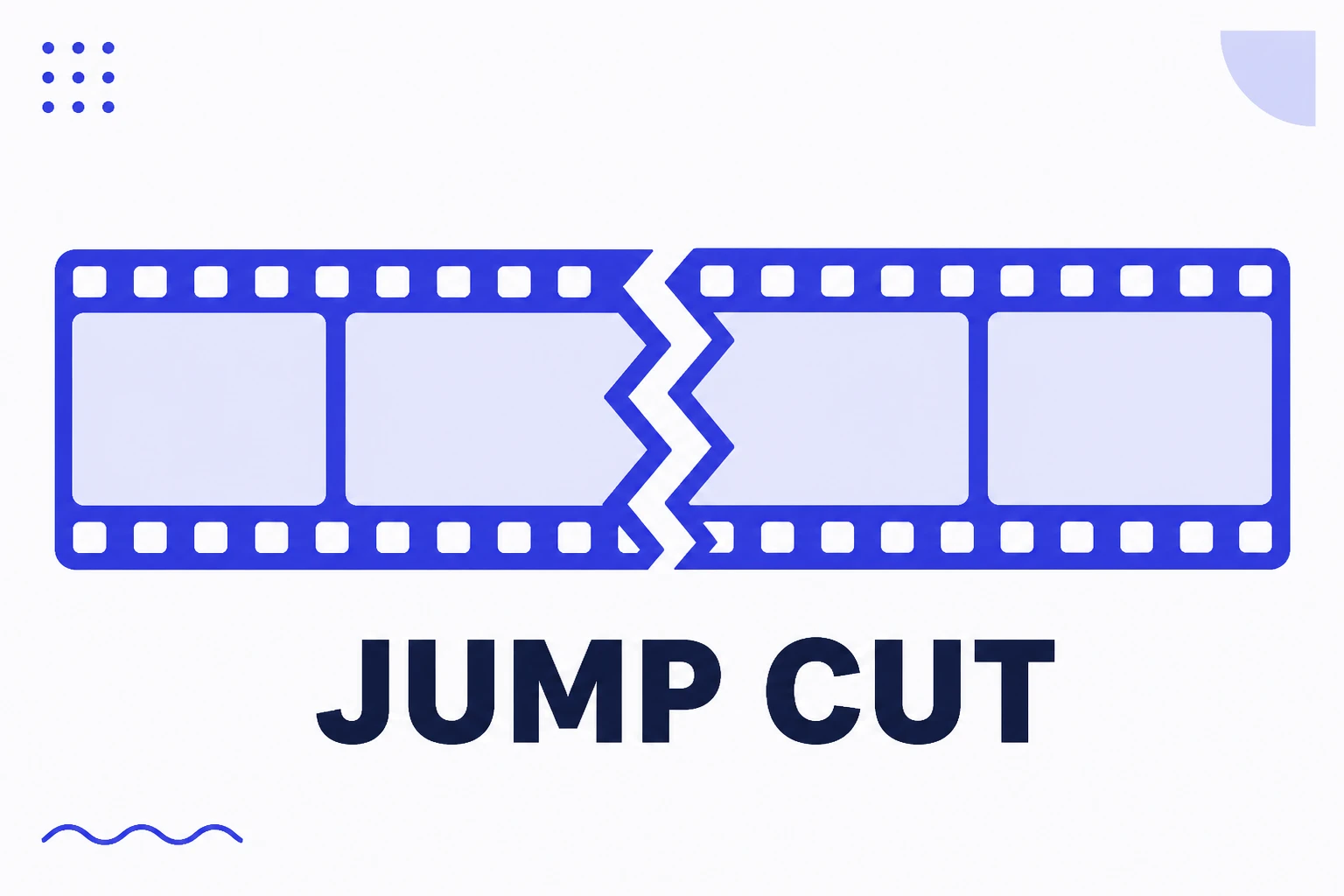
Jump cut
Jump cut é o corte feito dentro do mesmo plano, removendo um trecho e emendando o que sobra, o que produz um salto visível na imagem. No cinema clássico era considerado erro de continuidade. Em vídeo de internet virou padrão, porque resolve o problema central do formato: cortar toda pausa, respiração e divagação para manter o ritmo alto do começo ao fim.
Ler o verbete
Storyboard
Storyboard é a sequência de quadros desenhados que mostra como um vídeo vai ficar antes de a gravação começar. Cada quadro representa um plano, com a imagem, a fala e a indicação de movimento. É o complemento visual do roteiro: enquanto o roteiro decide o que será dito, o storyboard decide o que será visto, e são coisas diferentes que costumam ser confundidas.
Ler o verbete
Retenção média
Retenção média é o percentual do vídeo que as pessoas assistiram, em média, antes de sair. É a versão percentual do tempo de visualização, e existe para tornar vídeos de durações diferentes comparáveis. Ela cai naturalmente conforme o vídeo fica mais longo, o que significa que comparar um Reel de dez segundos com um de um minuto pelo mesmo número é uma leitura errada.
Ler o verbete