Talking head: alguém falando para a câmera, e por que continua sendo o formato que mais converte

Por Tiago Costa·Atualizado em 5 de agosto de 2026
Definição
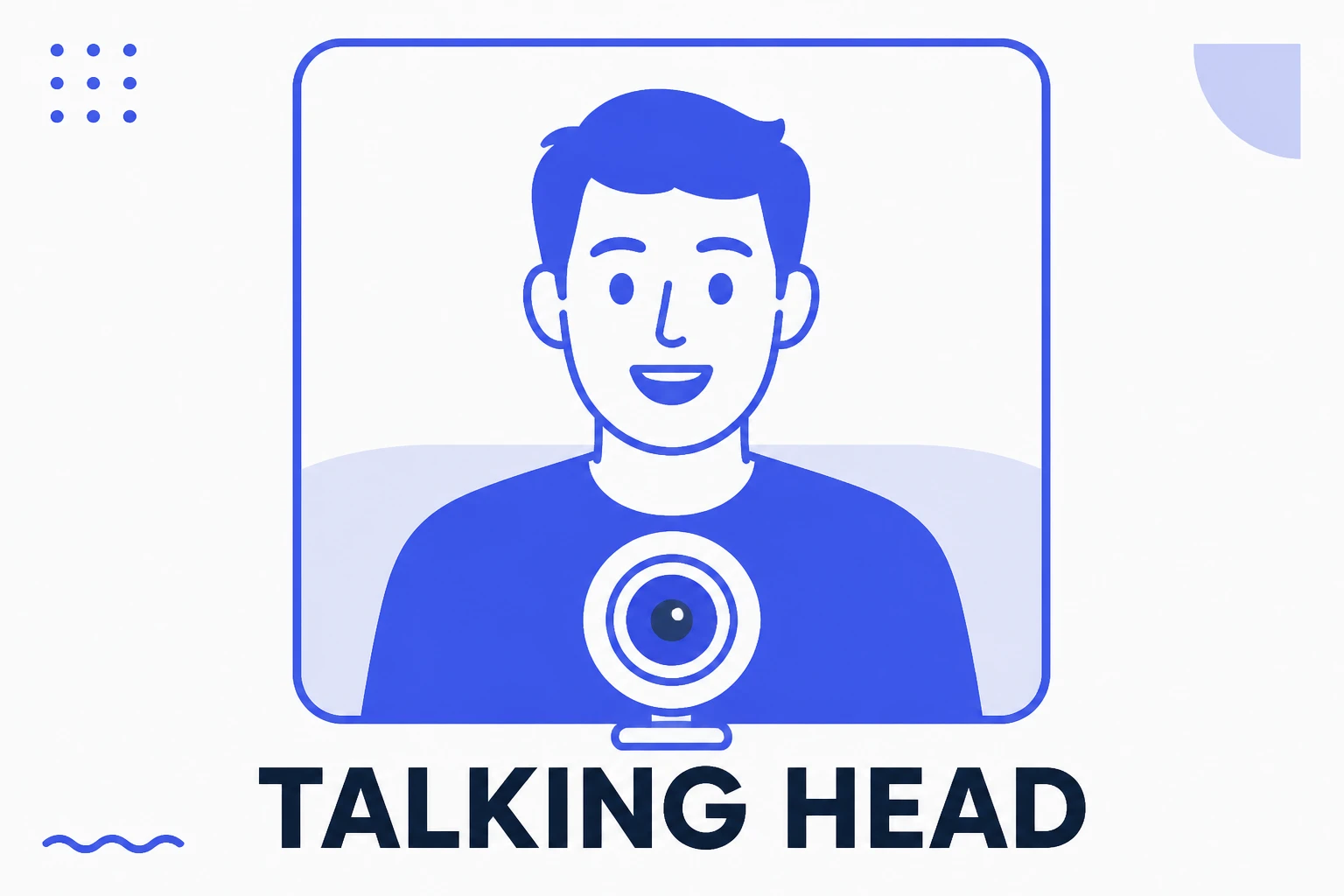
Talking head é o vídeo de alguém falando direto para a câmera.
- Enquadramento do peito para cima, olhando para a lente.
- Cria vínculo, que é o que nenhum outro formato faz igual.
- Barato de produzir, caro de sustentar sem ritmo.
- Precisa de b-roll e cortes para não ficar monótono.
Por que ele converte
A vantagem não é técnica, é humana. Num talking head a pessoa vê o rosto, ouve a voz, percebe hesitação e entusiasmo. Isso constrói confiança de um jeito que texto e imagem não conseguem.
Três consequências práticas:
- Encurta o caminho até a venda. Quem já viu você falar chega ao Direct com metade da desconfiança resolvida.
- Diferencia. O conteúdo pode ser igual ao do concorrente; a pessoa não é.
- Sustenta preço. Em serviço, comprar de alguém que você conhece de vista é diferente de comprar de uma marca anônima.
É por isso que, em conta profissional, o talking head costuma converter melhor mesmo quando entrega menos alcance que outros formatos.
Enquadramento, luz e som
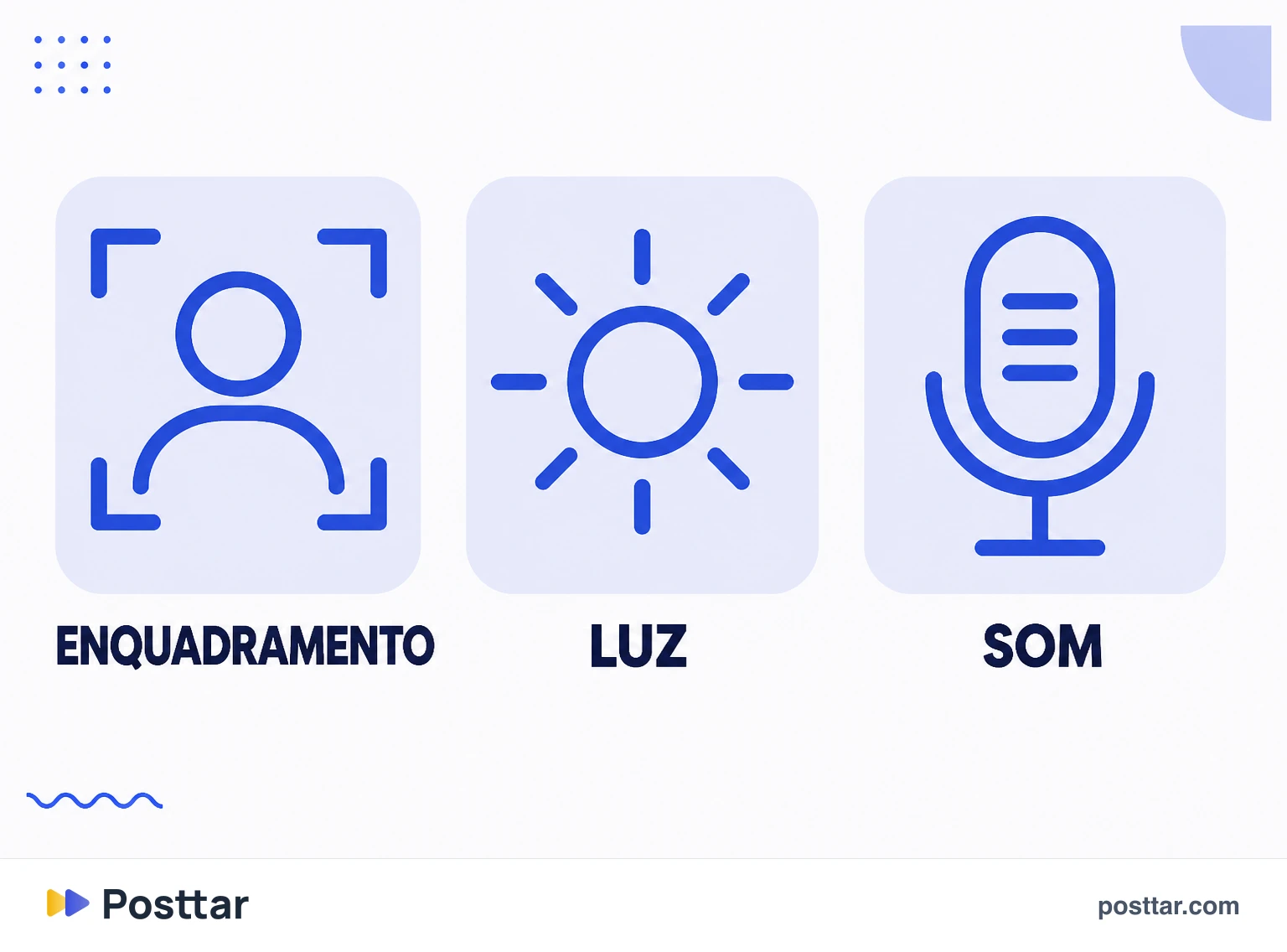
Três decisões resolvem quase toda a qualidade percebida, e nenhuma exige equipamento caro.
- Enquadramento. Do peito para cima, olhos na altura do terço superior da tela. O erro clássico é a câmera baixa apontando para cima, que distorce e comunica descuido.
- Olhar na lente. Não na sua própria imagem na tela. É contraintuitivo e é o que cria a sensação de contato.
- Som. Importa mais que imagem. Áudio ruim faz a pessoa sair; imagem mediana com áudio limpo, não. Se houver um único investimento a fazer, é microfone.
Sobre luz: janela de frente resolve. Luz atrás da pessoa é o erro mais comum e o mais fácil de evitar.
O problema da monotonia
A fraqueza do formato é visual: uma imagem estática de alguém falando perde atenção rápido, e a retenção decide a distribuição.
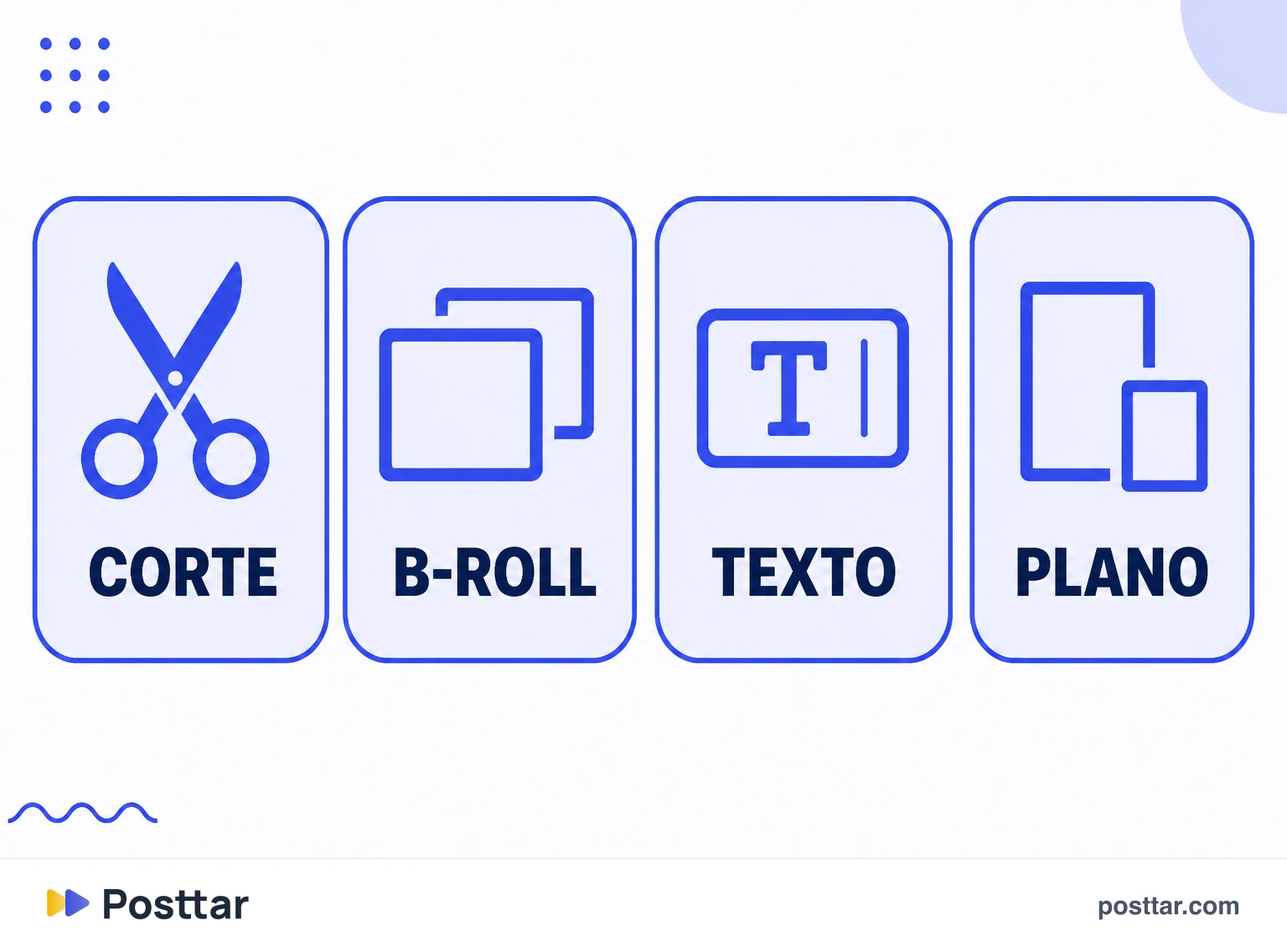
Quatro recursos resolvem, em ordem de esforço:
- Jump cut. Cortar toda pausa e hesitação. É o que mais muda o ritmo e custa só edição.
- B-roll. Cobrir trechos com imagem de apoio.
- Texto na tela. Legenda e palavras-chave destacadas dão movimento e servem a quem assiste sem som.
- Mudar de enquadramento. Gravar o mesmo trecho em dois enquadramentos e alternar.
Sem aparecer, dá?
Dá, e é uma pergunta legítima de quem não quer expor o rosto. O conteúdo sem rosto funciona e tem formatos próprios.
Mas vale ser honesto sobre a troca: sem rosto, o vínculo precisa vir de outro lugar, geralmente da consistência da voz, da qualidade da informação ou de um personagem visual forte. Isso é possível e leva mais tempo.
Um meio-termo que costuma resolver: aparecer pouco e bem. Um talking head por semana, com o resto do conteúdo em outros formatos, já entrega a maior parte do ganho de vínculo sem exigir estar na frente da câmera todo dia.
Checklist
- Enquadro do peito para cima, com a câmera na altura dos olhos.
- Olho para a lente, não para a minha imagem.
- O áudio está limpo, com prioridade sobre a imagem.
- A luz vem da frente, não de trás.
- Uso corte, b-roll ou texto para quebrar a monotonia.
Perguntas frequentes
O que é um vídeo talking head?
É o formato em que alguém fala diretamente para a câmera, enquadrado do peito para cima. É o formato de vídeo mais simples que existe e o que mais cria vínculo, porque a audiência vê o rosto e ouve a voz de uma pessoa.
Por que talking head converte bem?
Porque cria confiança de um jeito que texto e imagem não conseguem. Quem já viu você falar chega à conversa de venda com metade da desconfiança resolvida, e o conteúdo pode ser igual ao do concorrente mas a pessoa não é.
Como fazer um talking head não ficar monótono?
Corte toda pausa com jump cut, cubra trechos com b-roll, coloque legenda e palavras-chave na tela, e alterne entre dois enquadramentos. O jump cut é o que mais muda o ritmo e custa apenas edição.
Qual é o melhor enquadramento para talking head?
Do peito para cima, com a câmera na altura dos olhos e os olhos no terço superior da tela. O erro clássico é a câmera baixa apontando para cima, que distorce o rosto e comunica descuido.
O que importa mais, imagem ou som?
Som. Áudio ruim faz a pessoa sair mesmo com imagem boa, enquanto imagem mediana com áudio limpo sustenta o vídeo inteiro. Se houver um único investimento de equipamento a fazer, é microfone.
Conceitos relacionados
B-roll
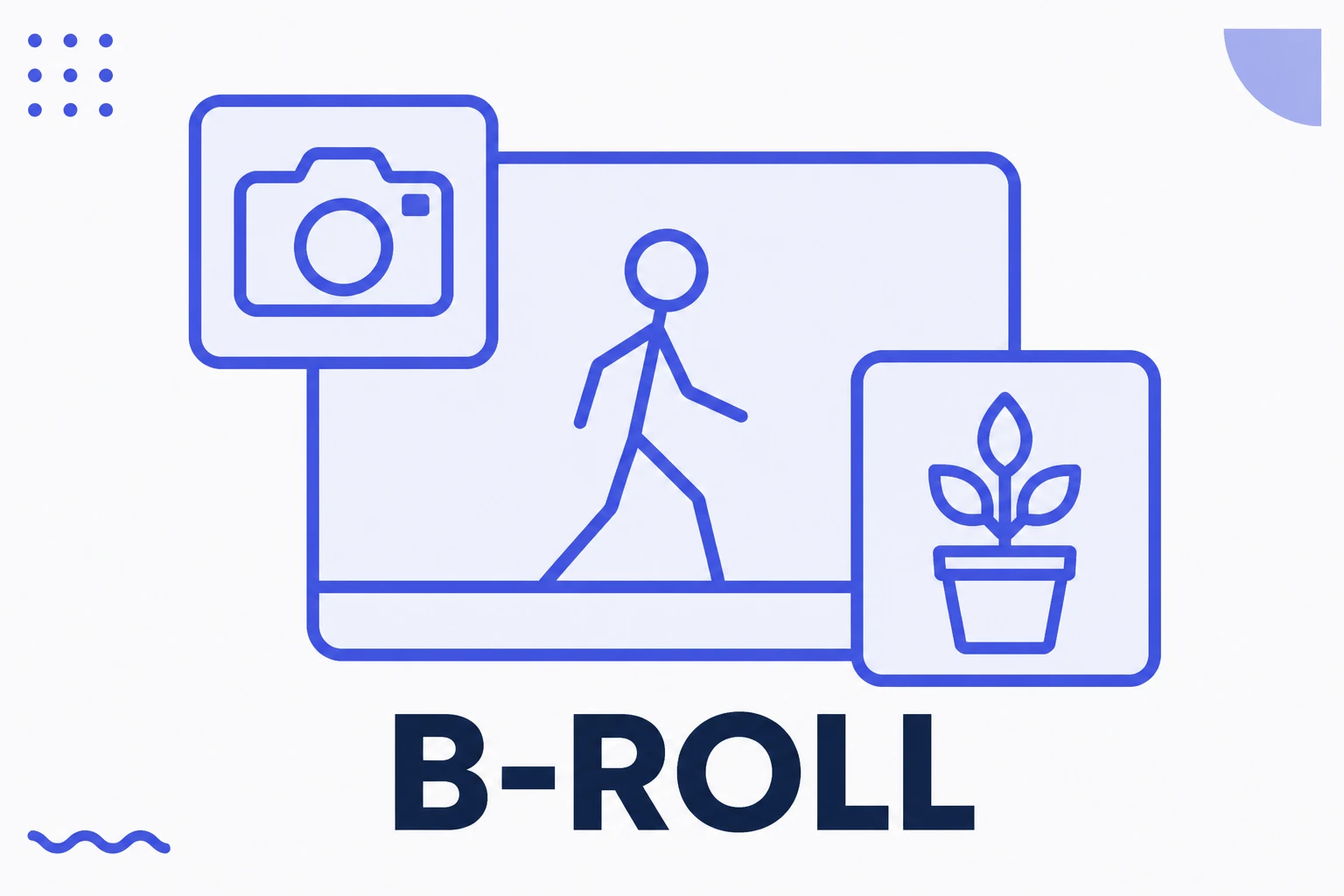
B-roll é todo material de imagem que não é a fala principal: as tomadas de apoio que aparecem por cima da narração para ilustrar, dar contexto ou simplesmente quebrar a monotonia visual. O nome vem da era do cinema em película, quando o rolo A trazia a cena principal e o rolo B trazia o material complementar. É o recurso mais barato de retenção que existe.
Ler o verbete
Jump cut
Jump cut é o corte feito dentro do mesmo plano, removendo um trecho e emendando o que sobra, o que produz um salto visível na imagem. No cinema clássico era considerado erro de continuidade. Em vídeo de internet virou padrão, porque resolve o problema central do formato: cortar toda pausa, respiração e divagação para manter o ritmo alto do começo ao fim.
Ler o verbete
Conteúdo sem rosto
Conteúdo sem rosto, ou faceless content, é toda produção que não mostra o rosto de quem publica: mãos, telas, objetos, animação, narração sobre imagem. Funciona, e cresceu muito porque resolve dois problemas reais, o desconforto de aparecer e a dificuldade de escalar produção que depende de uma pessoa. A troca é que o vínculo precisa vir de outro lugar.
Ler o verbete
Roteiro
Roteiro é o documento que define o que será dito e mostrado num vídeo antes de a gravação começar. Em conteúdo curto ele quase nunca é lido palavra por palavra, mas escrever antes muda o resultado de qualquer forma: obriga a decidir o gancho, corta a divagação e reduz o número de tomadas. A conta é simples, um roteiro custa dez minutos e economiza uma hora de edição.
Ler o verbete