Posting frequency: how often to post, and why the answer is not a number

By Tiago Costa·Updated on August 5, 2026
Definition
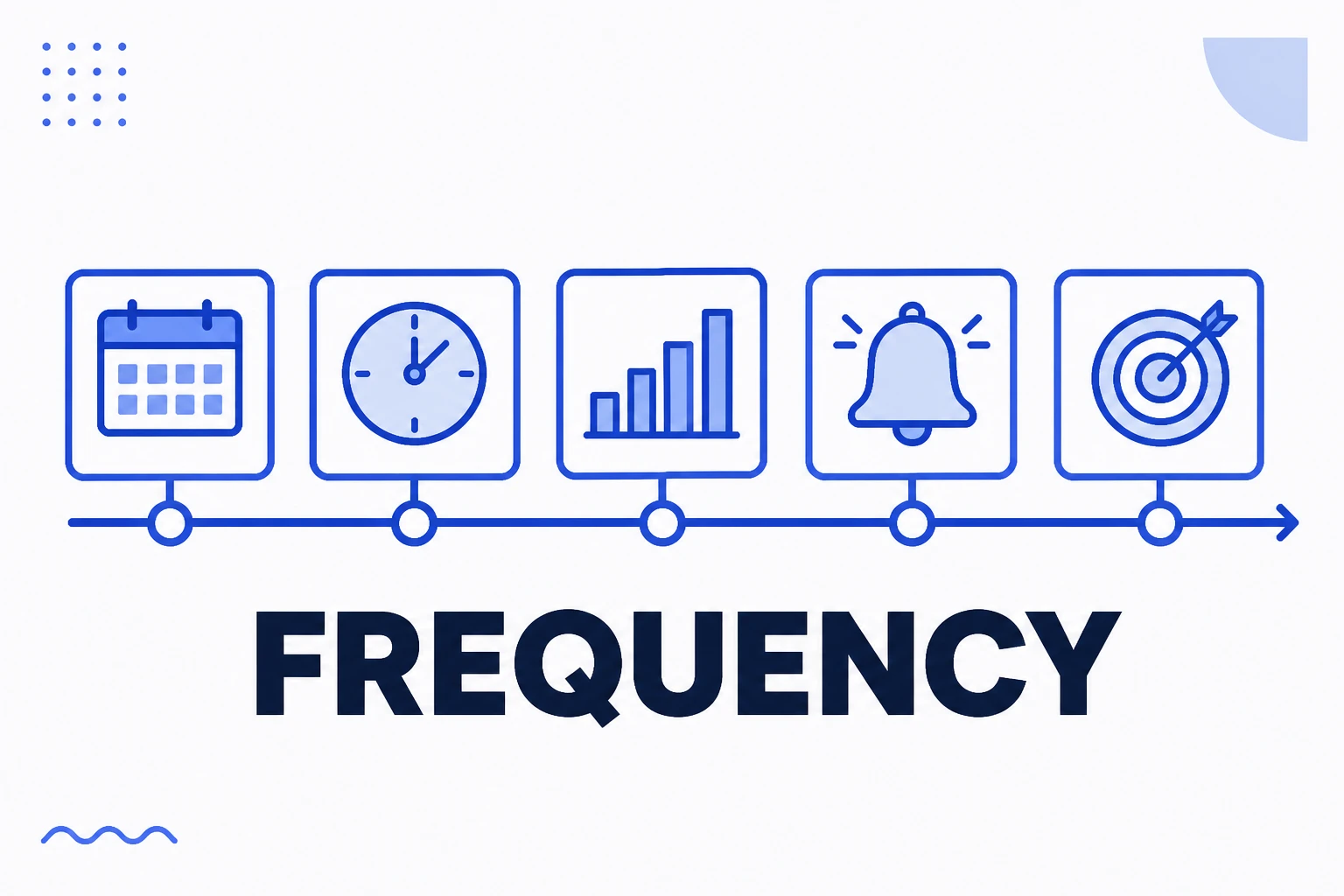
Posting frequency is how many pieces an account publishes per period.
- No universal number exists, despite what circulates.
- Consistency beats volume cumulatively.
- Posting more is not punished, but it dilutes average quality.
- The real limit is what you sustain without quality dropping.
Why there is no correct number
The question "how many times a day should I post" assumes a universal optimum exists, and it does not. Three variables change the answer:
- The format. Stories tolerate several posts a day without tiring; the feed does not.
- The niche. News and humour sustain high volume; dense technical content does not.
- Your capacity. This is the deciding variable and the most ignored. An ideal frequency on paper is useless if it collapses in three weeks.
On the numbered rules that circulate, such as 5-3-1 or 3-2-1: they are practitioner heuristics rather than platform criteria. They can serve as a starting point for organising a week, but none has confirmation from anyone operating the system.
Does posting too much hurt?
It is the most frequent question, and the answer is subtler than yes or no.
There is no penalty for volume. The platform does not reduce an account's reach for posting a lot. That fear is folklore.
But three real effects exist:
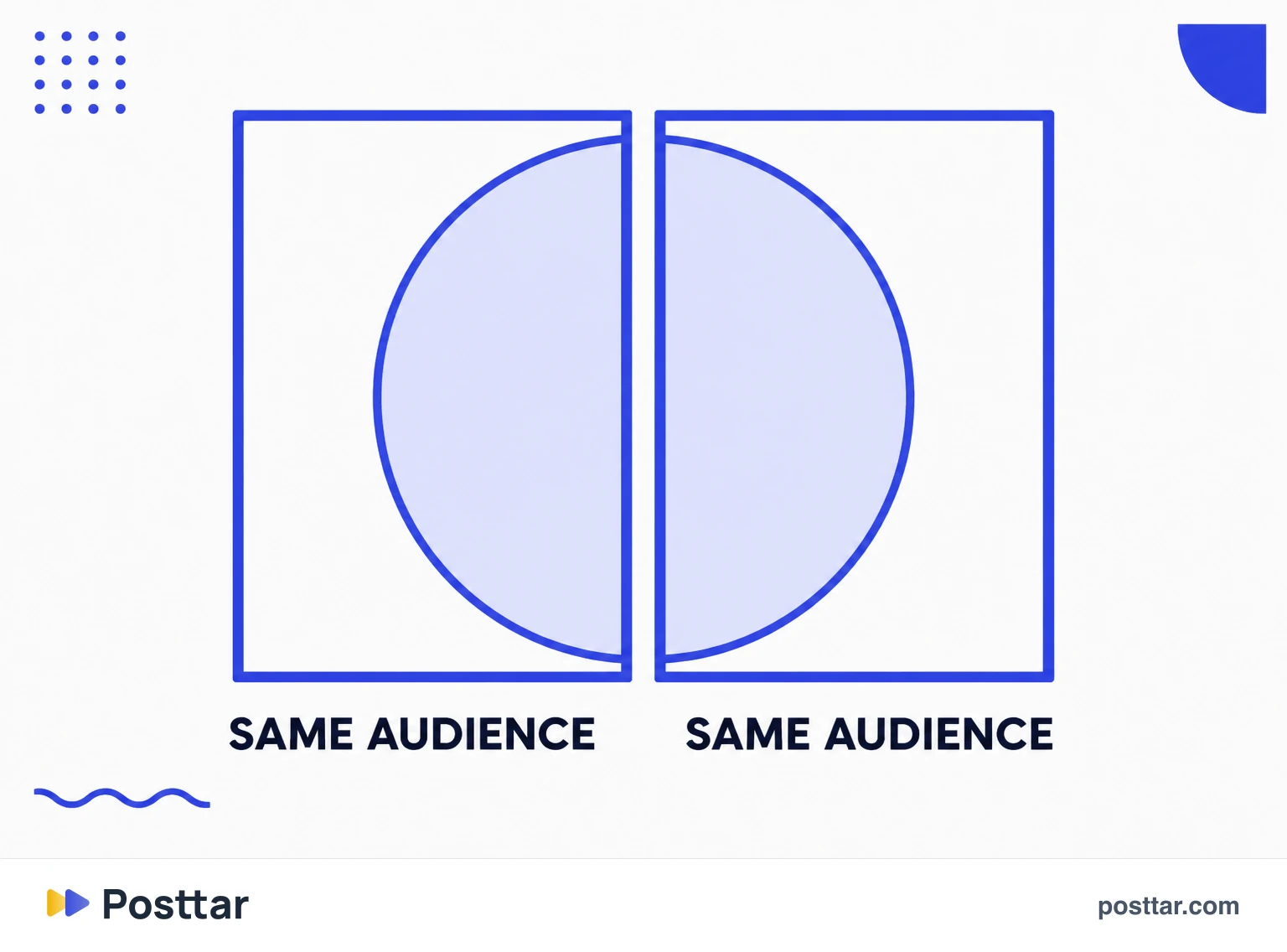
- Competing with yourself. Two pieces on the same day split the same available audience, and the second usually performs worse.
- Falling average quality. High volume without production structure produces weak pieces, and weak pieces drag the account average down.
- Audience fatigue. Appearing too often in someone's feed raises the risk of an unfollow, especially when the content is repetitive.
In short: the problem with posting a lot is never the quantity itself, it is what quantity tends to do to quality.
How to choose yours
A simple method that works better than copying another account's number:
- Start from what you sustain. Look at your actual last month, not the ideal. If you produced eight pieces, your sustainable frequency is close to two a week.
- Fix that number for three months. Consistency is the variable that matters most, and it only shows with time.
- Increase only when production has slack. The sign of slack is a full content bank, not enthusiasm.
- Measure per piece, not per week. If average performance falls when you raise volume, you passed the point.
What matters more than the number
Three things return more than adjusting frequency:
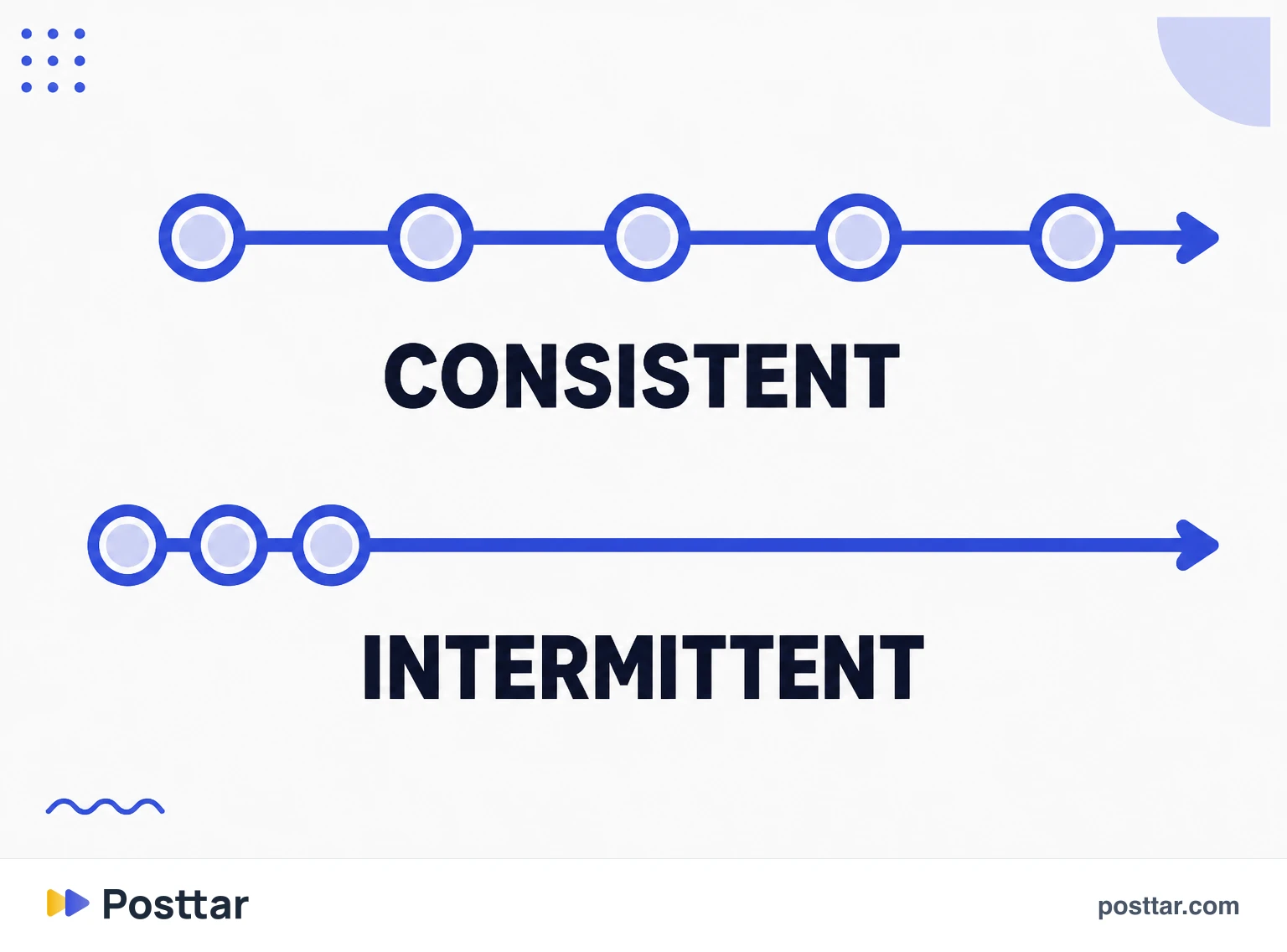
- Consistency. A modest uninterrupted rhythm beats a high intermittent one, because growth is cumulative.
- Batch production. It is what lets you raise frequency without raising effort proportionally.
- Piece quality. One piece that works is worth more than five average ones, and that is not rhetoric: distribution is decided by performance, not by volume.
Checklist
- I chose my frequency from what I actually produced last month.
- I keep the same rhythm for months, not weeks.
- I only increase when the content bank is full.
- I measure per piece performance when changing volume.
- I do not treat numbered market rules as platform criteria.
Frequently asked questions
How often should I post on Instagram?
There is no universal number. It depends on the format, the niche and above all what you sustain without quality dropping. An account posting three times a week for a year returns more than one posting daily for a month then vanishing.
Does posting too much on Instagram hurt?
There is no penalty for volume. What exists is competing with yourself when two pieces split the same audience on one day, falling average quality when volume outruns production structure, and audience fatigue.
Is it bad to post two Reels in one day?
It is not penalised, but both compete for the same available audience and the second usually performs worse. If the goal is maximising reach per piece, spacing tends to work better than concentrating.
What is the 5-3-1 rule on Instagram?
It is a practitioner heuristic proposing a fixed weekly distribution of posts. It is not a platform criterion and has no confirmation from anyone operating the system. It works as a starting point for organising a week, not as law.
How often should I post to gain followers?
Follower growth depends far more on content quality and on a profile that converts visits than on posting frequency. Raising volume without raising quality tends to produce more reach per week and fewer follows per piece.
Related concepts
Content calendar
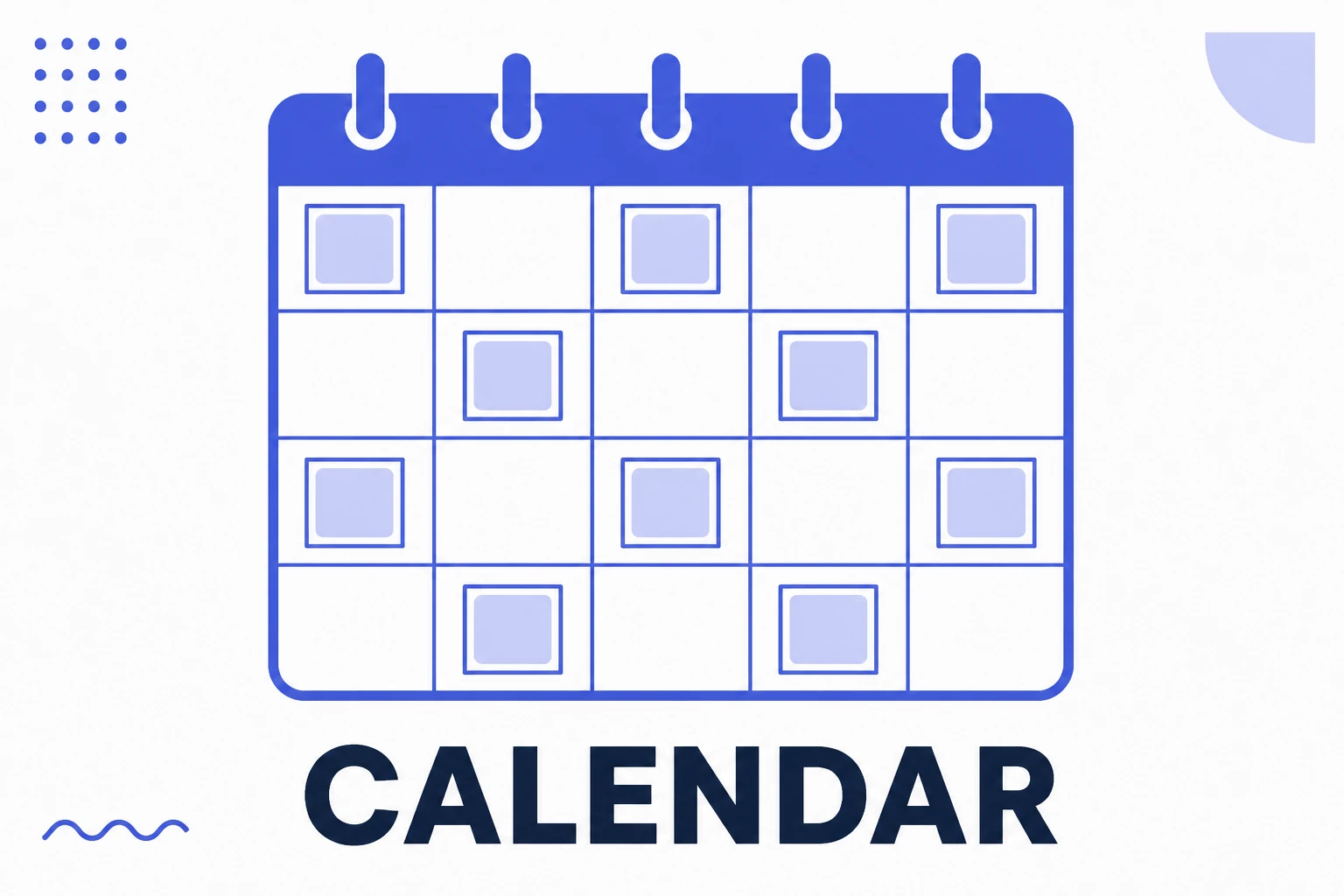
A content calendar is the document organising what will be published, when and in which format. It solves content production's most expensive problem, which is deciding the topic on publishing day, when there is time neither to think nor to produce properly. Most calendars are abandoned within three weeks, and the reason is almost always the same: it was built as a calendar rather than as a production queue.
Read the entry
Batch content creation
Batch content creation means producing several pieces in one session rather than one per day. The saving does not come from working faster, it comes from eliminating the setup cost that repeats for every piece: building the set, adjusting light, getting into recording mode, opening the editor. Paid once for ten pieces instead of ten times, that cost stops dominating the operation.
Read the entry
Best time to post
The best time to post is when your specific audience is most active, and it is not the same as the chart circulating online. Timing affects initial delivery, which is the first test any post faces, but it does not decide final performance: good content posted at a bad hour still works, and bad content posted at the perfect hour is still bad.
Read the entry
Unfollow
An unfollow is when someone stops following a profile. Instagram reports how many followers were lost in each period, but never who they were, and it notifies neither side. As a metric, losses only make sense read alongside gains: two months with the same number of new followers can produce opposite results depending on how many left in the same window.
Read the entry